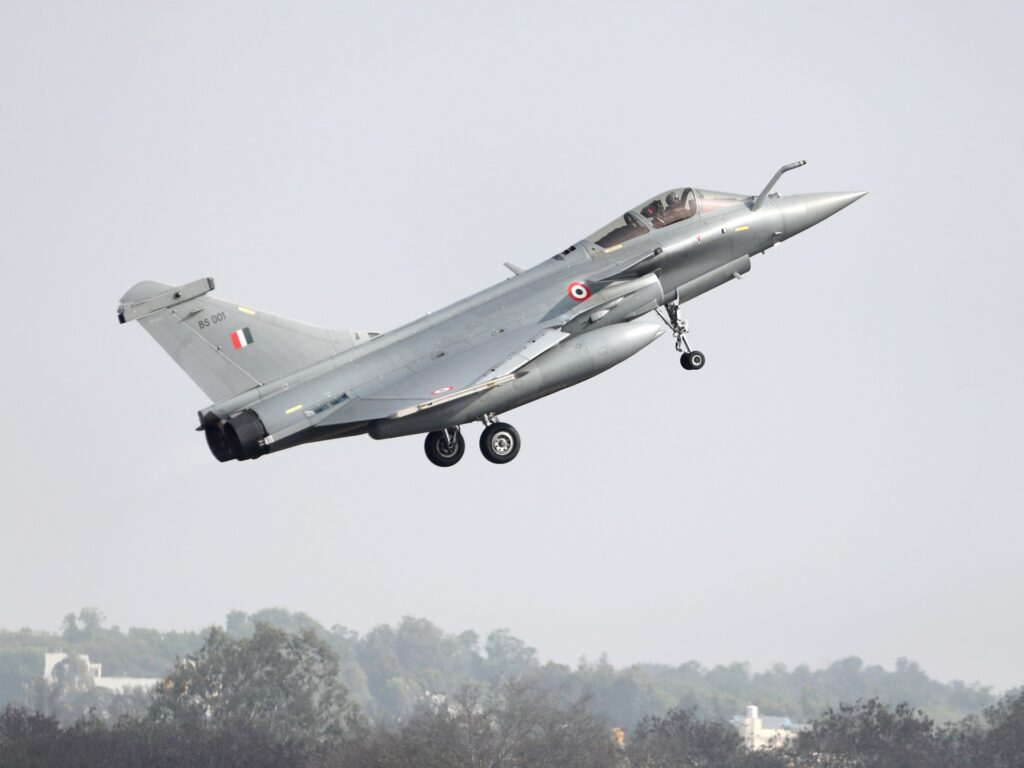
France and Germany have officially decided to terminate their joint fighter jet development project, marking a significant setback to European defence cooperation efforts. The project, initially envisioned as a flagship initiative to boost European military autonomy, has faced numerous hurdles leading to its collapse.
This decision comes at a time when the United States intensifies its call for Europe to enhance its military independence. Washington’s push aims to encourage European nations to strengthen their defense capabilities and reduce reliance on American military support.
The Franco-German fighter jet project represented a strategic attempt to integrate defense technologies and consolidate military strength within the European Union framework. Originally, it promised to foster closer defence collaboration between the two leading European powers and position Europe as a more self-sufficient military actor on the global stage.
However, differences in national interests, budget constraints, and technical challenges plagued the project from the outset. Debates over design specifications, funding priorities, and industrial participation led to delays and disagreements. These issues eroded mutual trust and ultimately forced both governments to abandon the plan.
The scrapping of the fighter jet initiative casts doubt on the future of European defence integration, which has sought to create a coherent military capability pool across member states. It highlights persistent obstacles such as varying defence policies, divergent strategic priorities, and competing domestic industries that hinder deeper cooperation.
Analysts note that the failure may prompt European countries to reconsider their defence collaboration strategies, potentially leading to more fragmented and less ambitious projects. This could undermine the EU’s capacity to act independently in global security matters, increasing reliance on NATO and the United States.
The U.S. perspective emphasizes encouragement for Europeans to modernize and unify their defence posture, thereby sharing the burden of global security more equitably. Washington views a militarily weaker Europe as a strategic vulnerability and seeks to promote initiatives that strengthen transatlantic collaboration.
Despite the setback, some officials remain optimistic about future projects and the commitment to European defence. They suggest that lessons learned from the failed fighter jet program could inform better coordination, clearer goal setting, and stronger political will in upcoming initiatives.
The end of the France-Germany fighter jet project serves as a cautionary tale of the complexities involved in multinational defence projects. It underscores the need for alignment of political, economic, and strategic interests to achieve meaningful progress in European military integration.
In conclusion, the termination of the joint fighter jet plan between France and Germany delivers a blow to the vision of a united European defense front. As pressures mount from the United States for Europe to stand stronger militarily, the continent faces critical choices about how to navigate its defence future amidst diverging national agendas and global security challenges.