The closure of the border between Uganda and the Democratic Republic of Congo (DRC) due to an Ebola outbreak has resulted in significant economic disruption, with goods left to rot as trade grinds to a halt. This shutdown, aimed at preventing the spread of the deadly virus, has inadvertently caused a crisis for traders and local communities who rely on this crucial trade route.
The border closure was implemented as a necessary public health measure to control the transmission of Ebola, which is highly contagious and fatal. However, the decision has had immediate consequences for the flow of goods, especially perishables, causing spoilage and financial losses.
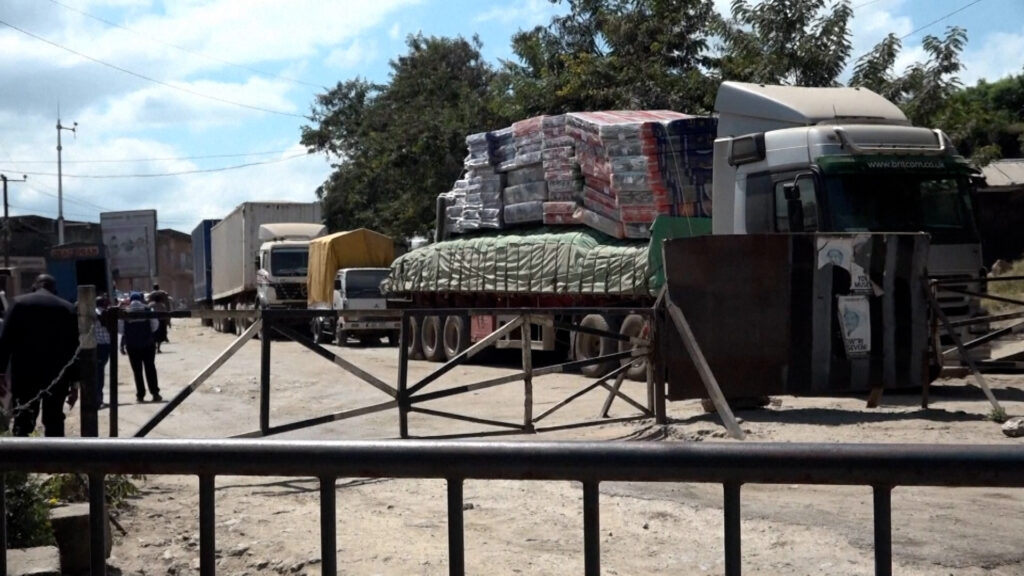
Local traders on both sides of the border are facing severe hardships as their goods, including fresh produce, food items, and other commodities, remain stranded at the checkpoints. The shutdown has disrupted supply chains that are vital for both economies, affecting market availability and prices.
Farmers who supply produce to cross-border markets are among the hardest hit. Their inability to move goods has led to an accumulation of unsold products, leading to wastage and loss of income. This situation exacerbates the already fragile economic conditions in the border regions.
Transport companies and truck drivers are also suffering as they are unable to complete their deliveries, resulting in idle vehicles and lost revenues. The economic ripple effects extend to vendors, porters, and local businesses dependent on the trade industry.
Authorities from both Uganda and the DRC are working to find alternative ways to facilitate trade while maintaining necessary health protocols. Discussions include the possibility of establishing quarantine facilities and rapid testing centers at border points, but these solutions take time to implement.
Health experts emphasize that controlling the Ebola outbreak is critical to prevent a wider health crisis. They warn that easing restrictions prematurely could lead to a resurgence of cases, further complicating the situation.
Meanwhile, communities on both sides of the border are seeking support from their governments and international organizations to manage the economic fallout. Humanitarian groups are calling for urgent intervention to provide relief to affected traders and their families.
The Ebola outbreak and resulting border shutdown highlight the delicate balance between safeguarding public health and sustaining economic activities. As efforts to contain the virus continue, affected populations anxiously await measures that will allow trade and normalcy to resume safely.