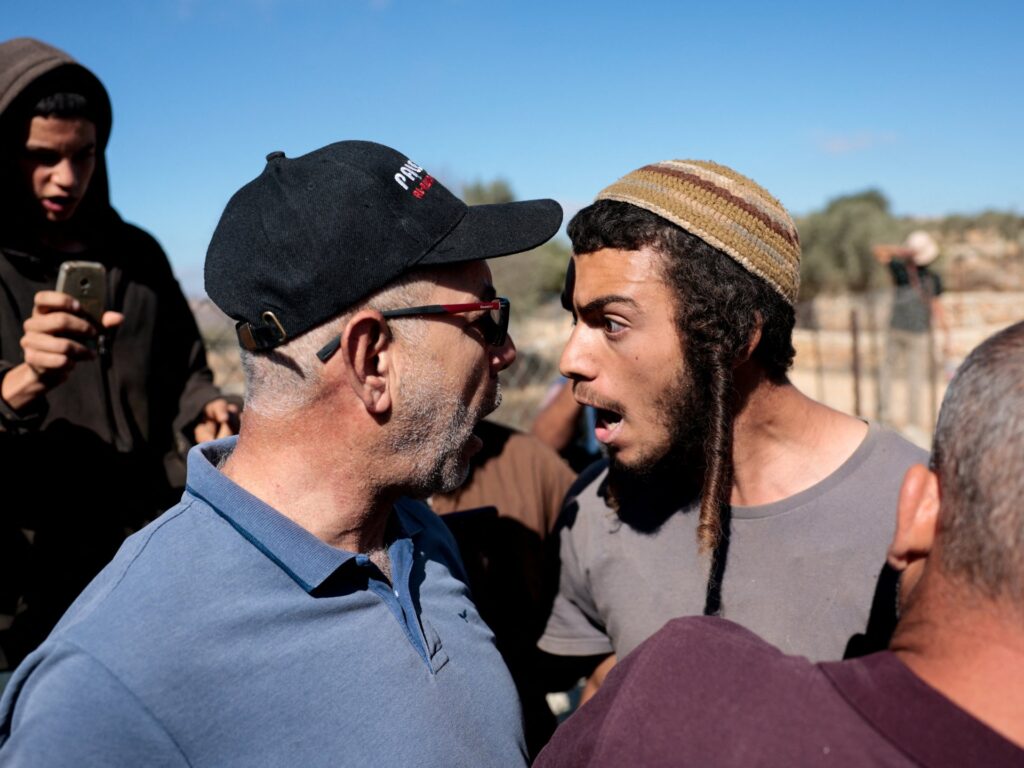
In recent months, Israeli settlers living in contentious areas have increasingly dismissed global condemnation of their actions as a ‘badge of honour.’ This comes amid a backdrop of escalating violence and mounting international sanctions targeting settler communities. Activists and international observers argue that these sanctions inadequately capture both the extent of the violence perpetrated by some settlers and the level of complicity or inadequate response from state authorities.
Settler violence in the occupied territories has been a flashpoint for tensions, often involving attacks on Palestinian civilians, property destruction, and clashes with security forces. Despite widespread international criticism, settlers involved in such incidents frequently express defiance, viewing criticism and sanctions as unjust interference or political bias against their communities.
The rhetoric among settler groups portrays condemnation as a symbol of their commitment to protecting what they see as their rightful homeland. These sentiments have fueled a hardened stance, with many settlers continuing to expand their presence despite international legal perspectives that consider such settlements illegal under international law.
Activists argue that the sanctions imposed so far fall short of addressing the root issues. They point to the lack of effective enforcement mechanisms and what they describe as the state’s tacit tolerance or direct support for settler actions, which perpetuates a cycle of violence and retaliation.
International bodies and human rights organizations have repeatedly called for stronger measures to hold settlers accountable and for governments to reevaluate their policies concerning settlements and security operations. The ongoing impunity, they warn, risks further destabilizing the region and undermining prospects for peace.
Furthermore, some analysts suggest that the settlers’ outright rejection of condemnation and sanctions reflects a broader geopolitical divide. While Western nations and international organizations emphasize human rights and legal frameworks, domestic political considerations within Israel sometimes prioritize security concerns and nationalist sentiments.
This complex dynamic makes it challenging to find common ground or implement solutions that can reduce violence. Settlers who see themselves as pioneers and defenders of Jewish heritage reject narratives that paint them as aggressors, further complicating dialogues aimed at reconciliation.
Observers note that the global community must recognize the multifaceted nature of the conflict, addressing not only the physical violence but also the sociopolitical narratives that sustain it. A comprehensive approach that marries sanction enforcement with dialogue efforts and respect for human rights is essential.
As tensions persist, the dismissive attitude of settlers towards international condemnation highlights the deep-seated divisions and the urgent need for renewed diplomatic engagement. Without addressing both the material conditions and the ideological motivations fueling this defiance, lasting peace remains elusive.
In summary, the ‘badge of honour’ rhetoric among Israeli settlers is emblematic of the wider conflict’s complexity, reflecting deep ideological convictions and a contested sense of legitimacy. Effective responses will require nuanced understanding, robust policy measures, and an unwavering commitment to justice and peace in the region.