Amid escalating tensions in the Middle East, the United States has reported that several Iranian drones were shot down, and associated radar sites have been attacked. These developments come as part of a broader conflict dynamic that continues to intensify, involving multiple nations and non-state actors across the region.
The situation is compounded by ongoing hostilities in Lebanon, where recent attacks by Israel have created a dire humanitarian crisis. According to reports from the United Nations, approximately 1.4 million people in Lebanon are currently in need of urgent aid. This underscores the profound impact of the conflict on civilian populations, heightening international concern over the humanitarian fallout.
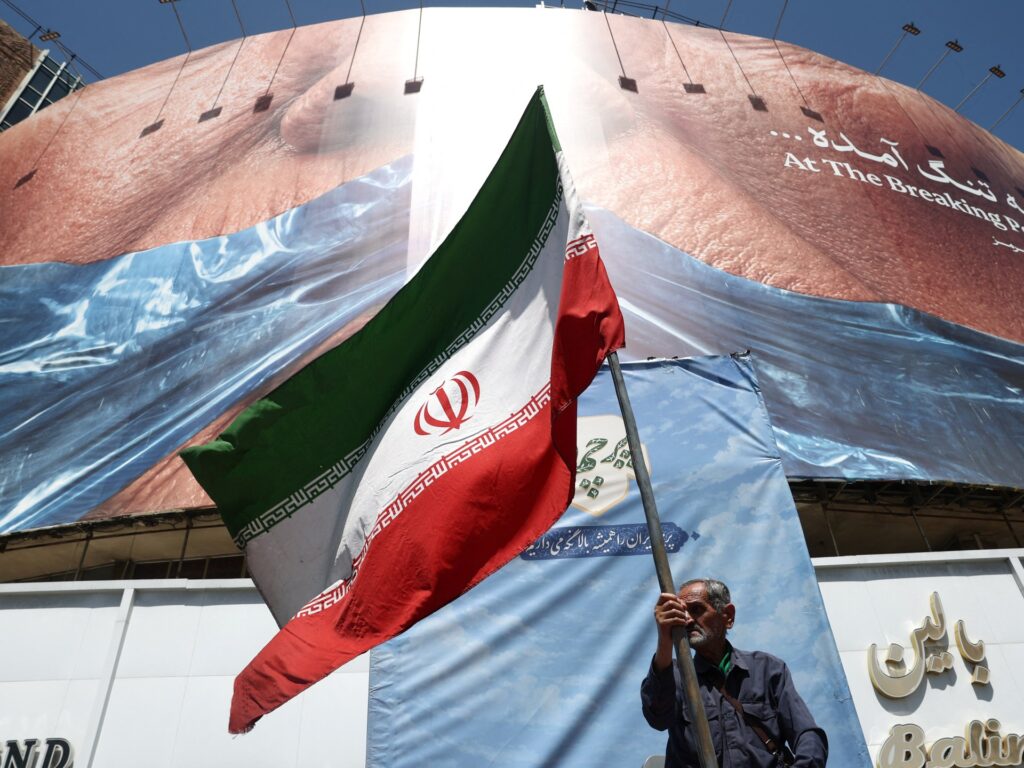
The United States’ announcement about the downed Iranian drones highlights the continuing role of Iran in the regional security landscape. Iranian drones have been linked to several conflict zones within the Middle East, acting as tools for surveillance as well as potential offensive operations. The destruction of these drones and targeted radar installations signals a tactical effort by the US and its allies to mitigate perceived threats from Iranian military capabilities.
This military engagement is occurring within a complex geopolitical environment where proxy conflicts and direct confrontations overlap. Iran’s support for various militant groups in Lebanon and elsewhere, including Hezbollah, complicates efforts to de-escalate the violence.
The humanitarian situation in Lebanon remains a critical concern. The UN’s report draws attention to the urgent need for food, medical assistance, and shelter for the millions affected. Displacement, infrastructure damage, and shortages of essential resources have exacerbated the suffering of Lebanon’s civilian population amid the ongoing military strikes.
International actors are calling for restraint and dialogue to prevent further deterioration of security and humanitarian conditions. The situation demands coordinated efforts to address immediate relief needs and to pursue longer-term peace and stability in the volatile region.
As events evolve, monitoring the activities of Iranian drones and associated military assets will remain crucial. Likewise, the international community’s response to the humanitarian challenges in Lebanon will be a significant indicator of geopolitical priorities and the potential for conflict resolution.
The current escalation extends beyond localized skirmishes, reflecting broader regional rivalries with global implications. The US and its allies appear committed to countering Iranian influence, while simultaneously engaging in diplomatic and military measures to support regional security.
Observers warn that without sustained engagement and comprehensive strategies, the risks of wider conflict and deeper humanitarian crises will persist. The lives of millions hang in the balance as diplomatic efforts and military actions unfold in this critical juncture of Middle Eastern geopolitics.