The World Health Organization (WHO) and the Africa Centres for Disease Control and Prevention (Africa CDC) have jointly announced a comprehensive $518 million plan aimed at combating the escalating Ebola outbreak in East Africa. This strategic initiative comes as Uganda faces a surge in cases and fatalities linked to the transmission of the virus from the neighboring Democratic Republic of Congo (DRC).
Uganda recently reported three new confirmed cases of Ebola along with one additional death, highlighting the severity and persistence of the outbreak. The spread of the virus from the DRC—a country that has been battling one of its deadliest Ebola outbreaks in recent years—has raised concerns about regional containment and the urgent need for coordinated response efforts.
The announced $518 million plan encompasses a multifaceted approach to mitigate the epidemic’s impact and curb further transmission. Key components of the strategy include scaling up surveillance and contact tracing, enhancing laboratory diagnostic capacities, and expanding access to Ebola vaccines and therapeutics across affected and at-risk populations.
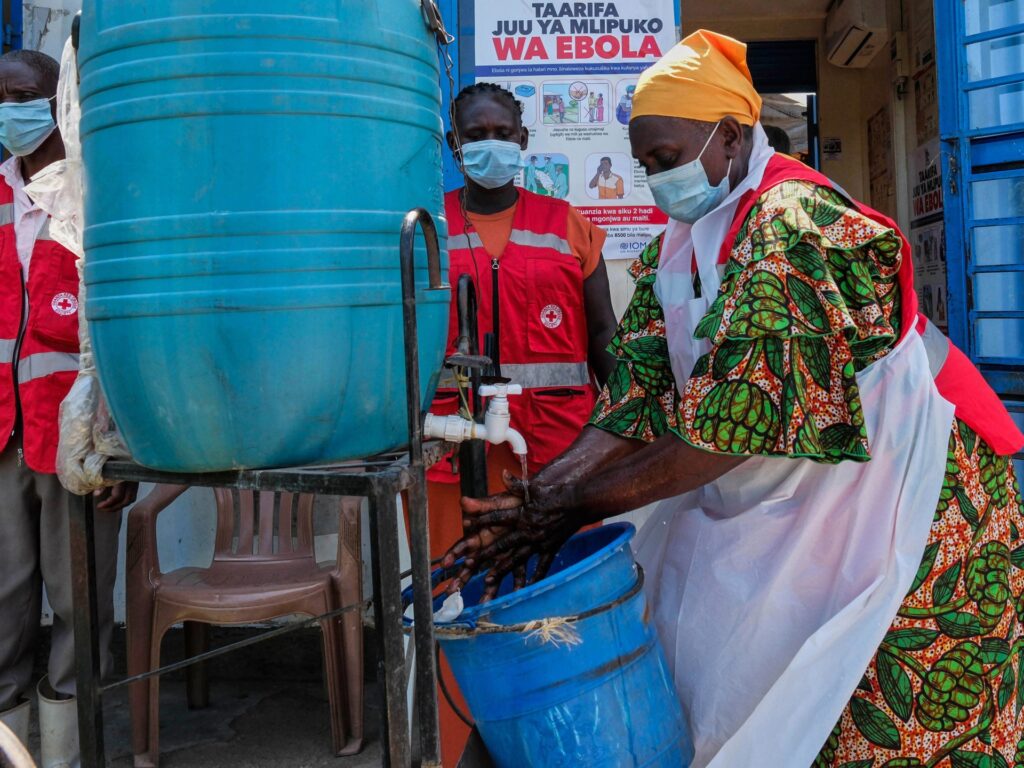
WHO and Africa CDC emphasized the importance of rapid mobilization of resources and international collaboration. The funding aims to support frontline healthcare workers, strengthen infection prevention and control measures in healthcare settings, and improve community engagement to promote timely reporting and safe burial practices.
Additionally, the plan includes provisions for strengthening health systems resilience to enable quicker detection and response to future outbreaks, thus preventing prolonged epidemics. Since the initial identification of cases in Uganda, authorities have intensified efforts to track contacts and isolate suspected cases to prevent further transmission.
The ongoing outbreak has severely strained health infrastructure in Uganda, requiring urgent reinforcement to manage the increasing case load. The WHO and Africa CDC’s action plan reflects a vital commitment to safeguarding public health not only in Uganda and the DRC but across the broader African region.
The coordinated efforts underscore the critical role of vaccination campaigns, with recent rollouts targeting frontline responders and vulnerable communities to build immunity against the virus. Healthcare workers involved in the response are receiving specialized training to handle Ebola cases safely and efficiently.
Moreover, community sensitization campaigns are underway to educate the public on the importance of early symptom recognition and immediate health-seeking behavior. These initiatives aim to reduce stigma and misinformation, which can impede effective epidemic control.
The Africa CDC has also established rapid response teams capable of deploying to emerging hotspots to provide technical expertise and logistical support. Their role is crucial in bridging gaps between national efforts and international assistance.
Global health partners and donors have expressed strong support for the plan, recognizing that controlling Ebola outbreak in East Africa is essential for global health security. Collaborative research efforts to develop new diagnostics, treatments, and vaccines continue to advance as part of the response framework.
In conclusion, the $518 million initiative by WHO and Africa CDC represents a significant step forward in the fight against Ebola in Uganda and the region. It underscores the need for sustained funding, regional cooperation, and community involvement to overcome this public health challenge effectively.
As the situation evolves, continued vigilance, adaptability, and resource commitment will be paramount to preventing further loss of life and ensuring health systems can respond to this and future health emergencies with resilience and efficacy.