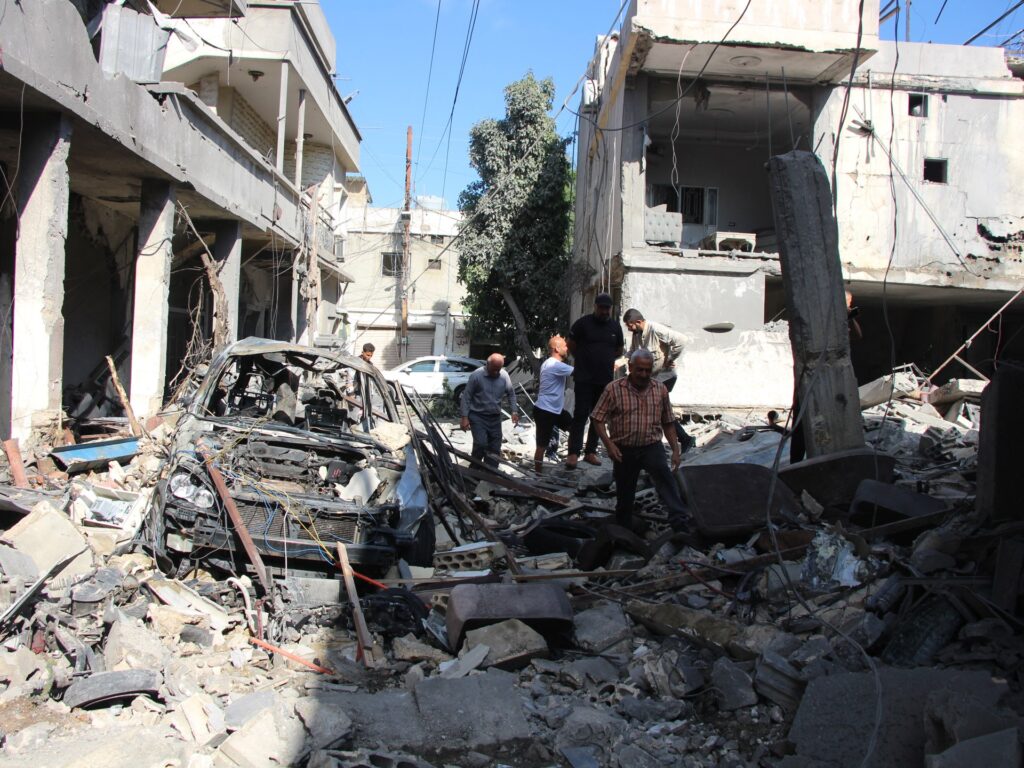
In conflict zones like Gaza, Iran, and Lebanon, ceasefires are often declared with the hope of halting violence and fostering peace. Yet, despite these agreements, attacks and airstrikes continue, raising pressing questions about the effectiveness and enforcement of ceasefires under international law.
Ceasefires are temporary stoppages of hostilities agreed upon by conflicting parties, often brokered through international mediators. The main purpose is to allow civilians relief and create a conducive environment for further peace talks. However, these agreements are fragile and can be undermined easily by various factors, including mistrust, political motives, and external influences.
International law, particularly humanitarian law embodied in the Geneva Conventions, lays down rules for protecting civilians and restricting military actions during conflicts. Ceasefires fall under these regulations, aimed at minimizing harm and facilitating dialogue. Yet, the enforcement of these laws and agreements is complicated when violations occur.
One core issue is that international law does not have a direct enforcement body with absolute power. Instead, enforcement depends on mechanisms such as the United Nations Security Council resolutions, diplomatic pressure by powerful states, sanctions, and sometimes peacekeeping forces. However, geopolitical interests often influence these processes, limiting their effectiveness.
Experts highlight that in ongoing conflicts, parties may violate ceasefires to gain strategic advantages or respond to provocations. These violations can provoke retaliatory strikes, creating a cycle of violence that perpetuates despite official agreements. It also reflects distrust between parties who suspect the other side of acting in bad faith.
Furthermore, some groups involved in these conflicts might not be parties to ceasefire agreements or may deliberately defy international norms. Non-state actors, for example, can operate with impunity, complicating enforcement efforts.
The enforcement challenge is even more acute in regions like Gaza, Iran, and Lebanon where multiple actors, including state and non-state groups, have vested interests. International bodies face difficulties in monitoring and verifying compliance on the ground due to limited access and security concerns.
Experts argue that sustainable peace requires more than ceasefire declarations; it needs comprehensive political solutions addressing root causes, confidence-building measures between parties, and stronger international commitment to enforcement.
In conclusion, while ceasefires are critical steps toward peace, their durability depends on mutual trust, enforcement capacity, and political will. Without addressing these factors, ceasefire violations and continued strikes may persist, prolonging suffering and instability in Gaza, Iran, Lebanon, and similar conflict zones worldwide.