Syria is intensifying its efforts to combat the widespread trade of Captagon, a powerful amphetamine-like drug that has deeply impacted the country and its region. The Syrian government, facing significant challenges due to the ongoing conflict and economic instability, has mobilized its anti-narcotics units to crack down on this illicit trade.
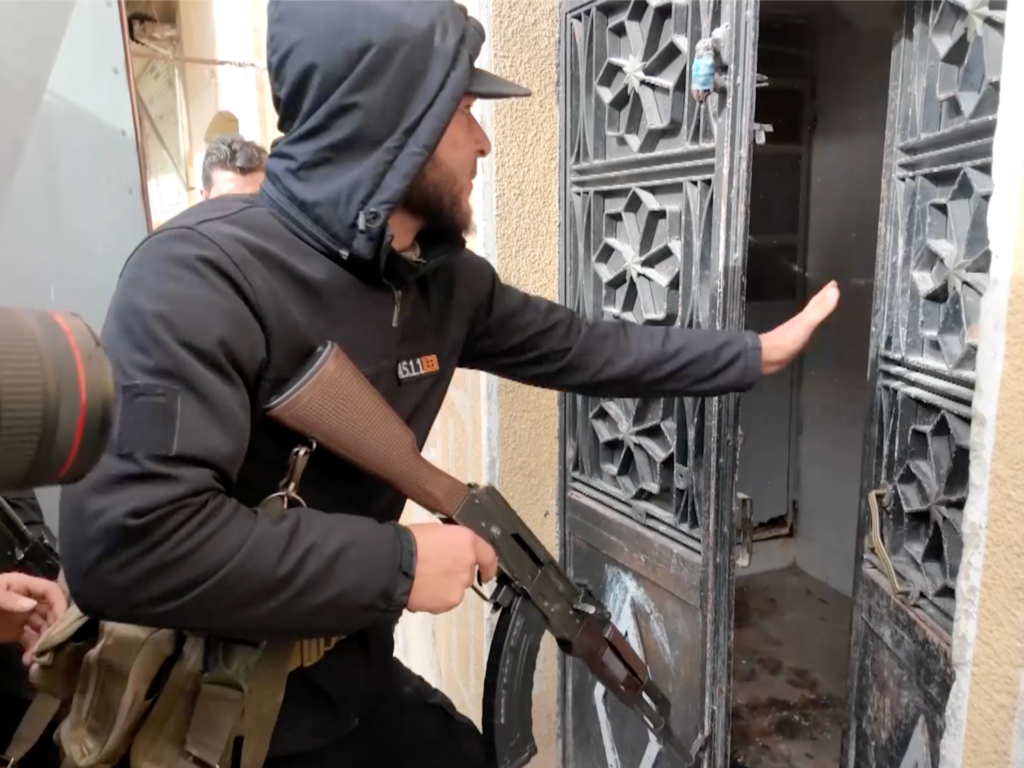
Anti-narcotics units across Syria have been conducting raids on homes and suspected hideouts, systematically seizing large quantities of Captagon pills. These raids are part of a broader government strategy to stem the production, distribution, and trafficking of the drug which is fueling criminal networks and feeding regional instability.
Captagon, originally developed in the 1960s for medical use, has become synonymous with illicit drug production in the Middle East, with Syria identified as a major hub due to its extensive war-torn areas and porous borders. The drug is often trafficked to countries in the Gulf and beyond, raking in billions of dollars for criminal syndicates.
The profits from Captagon trafficking have reportedly been used to fund various militant groups, perpetuating violence and undermining governance efforts within the country. Recognizing the severe implications, Syrian authorities have prioritized the drug trade as a national security threat.
Government raids uncover not only pills but also manufacturing labs where precursor chemicals are processed into the finished product. These operations are hazardous and clandestine, often located in urban neighborhoods or remote rural areas.
The crackdown has involved cooperation with regional partners and international agencies to share intelligence and disrupt smuggling routes. Despite these efforts, challenges persist, including corruption, lack of resources, and ongoing conflict that provides cover for traffickers.
Local communities have mixed reactions; while many support government actions as necessary for restoring law and order, others are wary of potential abuses and the sufficiency of social programs to support those affected by addiction.
Public awareness campaigns have been launched to educate citizens about the dangers of Captagon use, aiming to reduce demand alongside supply-focused interventions.
Experts say that a comprehensive approach combining security, legal reforms, economic development, and rehabilitation services will be essential for Syria to effectively curtail the Captagon trade.
The situation remains dynamic as the Syrian government continues to balance counter-narcotics operations with broader peace and reconstruction efforts.
In the midst of adversity, the fight against Captagon symbolizes Syria’s effort to reclaim control over its communities and future, striving toward stability and health for its people.