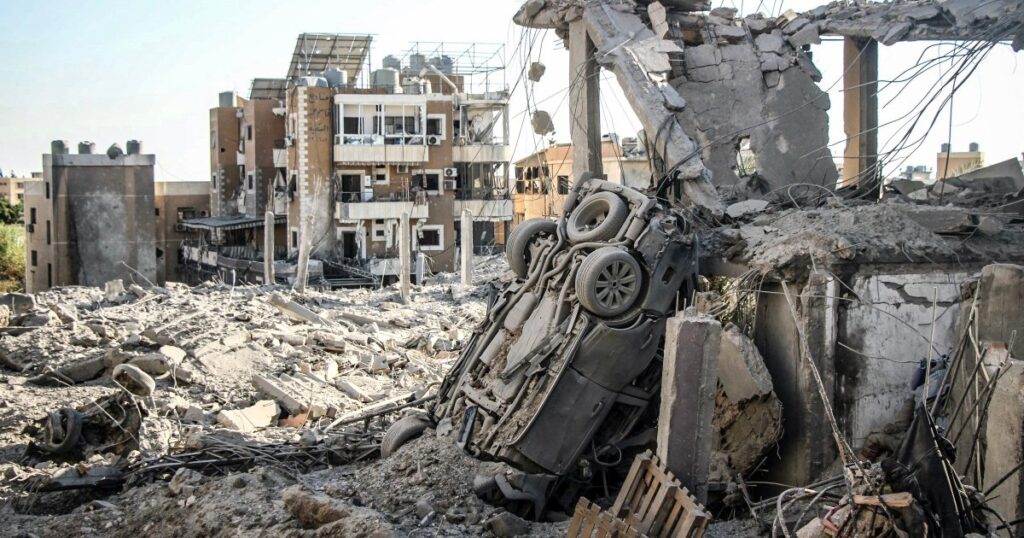
The United Nations has significantly increased its appeal for humanitarian aid to Lebanon, requesting nearly $640 million to provide essential assistance over the next six months. This urgent call for funds comes as the ongoing conflict involving Israel exacerbates an already precarious situation in Lebanon, pushing the country deeper into crisis.
Lebanon, a country grappling with economic turmoil and political instability, now faces additional strain due to the spillover effects of the Israeli war. The escalation in hostilities has led to a surge in displaced populations, overwhelming existing resources and humanitarian infrastructure. Many communities are struggling with shortages of food, clean water, medical supplies, and shelter as violence disrupts normal life and access to aid.
The UN’s enhanced funding appeal underscores the scale of the crisis and the need for coordinated international support. Agencies working on the ground report that vulnerable populations, including refugees and Lebanese citizens alike, are bearing the brunt of the conflict’s impact. Humanitarian organizations are challenged by logistical barriers, funding shortfalls, and security risks but remain committed to delivering lifesaving services.
Key areas of focus in the aid request include emergency food distribution, healthcare provision, water and sanitation services, and shelter for those displaced. The UN also aims to support efforts to stabilize affected communities and prevent further deterioration of health and social conditions.
This increased aid appeal highlights the interconnected nature of conflicts in the region and the ripple effects they have on neighboring countries. Lebanon’s fragile state makes it particularly susceptible to external shocks, necessitating a robust international response to prevent a deeper humanitarian catastrophe.
The UN’s call for nearly $640 million aims to mobilize global partners and donors to act swiftly, emphasizing that timely and adequate funding is critical to mitigating suffering and saving lives. Without sufficient support, experts warn that Lebanon could face worsening food insecurity, health crises, and displacement, compounding long-term challenges that will be harder to address.
The situation remains dynamic, with the UN and its partners continuously assessing needs and adapting their response. However, without increased financial backing, the ability to maintain vital aid programs is at risk.
In conclusion, the UN’s amplified aid appeal for Lebanon amid the Israeli conflict-driven humanitarian emergency calls for urgent global solidarity and action. The next six months are critical to addressing immediate needs and laying the groundwork for recovery and resilience in Lebanon during an exceptionally turbulent period.