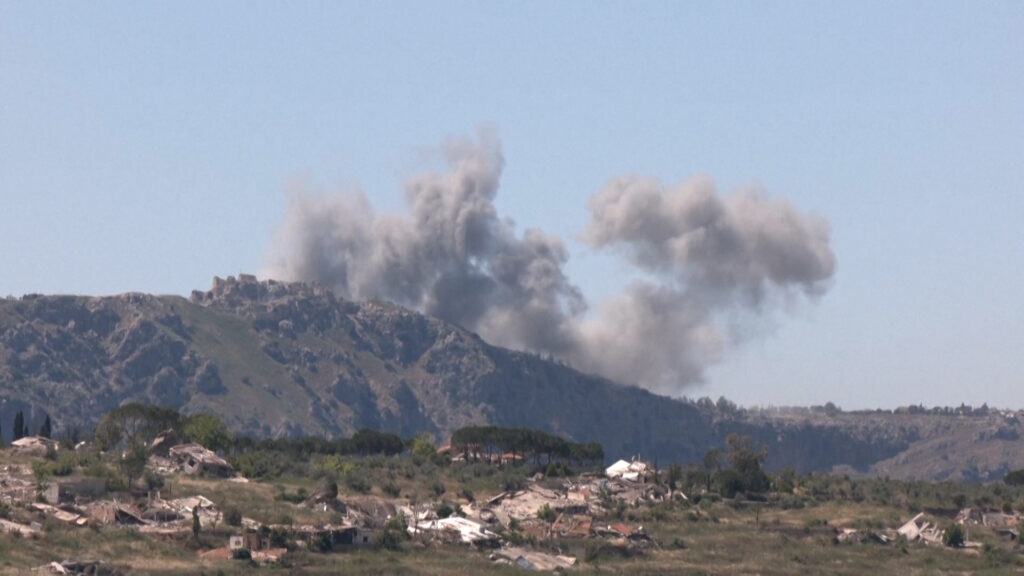
In a significant turn of events, Hezbollah has officially condemned the recent ceasefire framework brokered by the United States and accepted by both Israel and Lebanon. The ceasefire deal, aimed at ending ongoing hostilities and fostering peace in the volatile region, has been met with staunch opposition from Hezbollah, a major political and militant group in Lebanon.
The US-brokered ceasefire was designed to halt the recent escalation of conflict between Israel and Lebanon, with hopes of stabilizing the region and preventing further violence. Despite the initial acceptance of the framework by the governments of Israel and Lebanon, Hezbollah’s rejection threatens to undermine the fragile agreement.
Hezbollah’s denunciation comes amid claims that the deal does not adequately address the group’s concerns and the interests of Lebanon’s resistance factions. The group argues that the ceasefire terms are skewed in favor of Israel and fail to secure the necessary guarantees for Lebanon’s sovereignty and security.
Analysts suggest that Hezbollah’s rejection could complicate diplomatic efforts and prolong tensions along the Israel-Lebanon border. The group’s influence within Lebanon, combined with its military capabilities, poses a significant obstacle to any peace agreement in the region.
The development is also seen as a challenge to US foreign policy in the Middle East, as Washington has been actively seeking to promote stability and mitigate conflict in the area. The failure to secure unanimous support for the ceasefire could trigger a reassessment of the strategy moving forward.
Regional experts emphasize the need for inclusive dialogue that involves all relevant parties, including Hezbollah, to achieve a sustainable peace. Without the engagement of key factions, any ceasefire is likely to be fragile and vulnerable to collapse.
The international community continues to watch the situation closely, urging restraint and dialogue among all stakeholders. The rejection by Hezbollah signals that the path to peace remains fraught with difficulties, requiring persistent and nuanced diplomatic efforts.
As the situation evolves, the focus remains on preventing further violence and fostering an environment conducive to long-term stability in the Lebanon-Israel border region. The coming weeks will be critical in determining whether diplomacy can prevail over conflict in this complex geopolitical landscape.