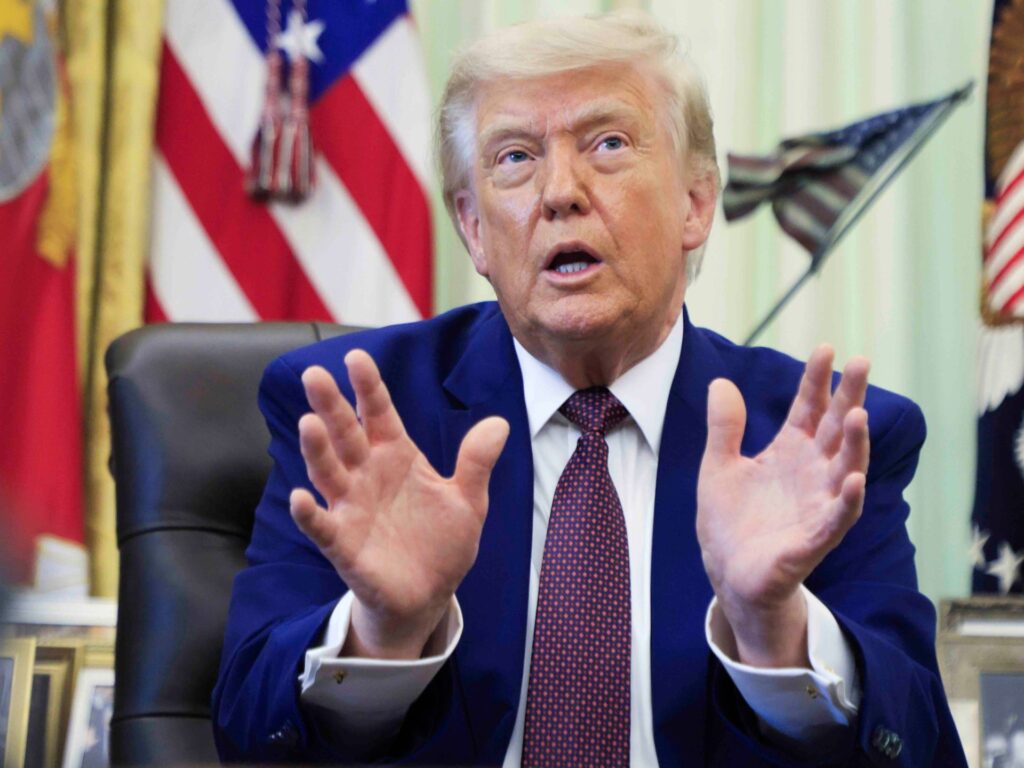
Former President Donald Trump has sharply criticized Republican lawmakers who voted in favor of a House resolution that seeks to constrain the president’s ability to conduct war against Iran without congressional approval. Trump labeled these Republicans as ‘unpatriotic,’ arguing that their support undermines the nation’s military strength and executive authority.
The House recently passed a war powers resolution aimed at limiting the administration’s freedom to engage militarily with Iran without explicit consent from Congress. This bipartisan measure reflects mounting concerns in Capitol Hill over escalating tensions with Iran and the potential for an expanded conflict in the Middle East.
Trump’s comments come amid growing debates about the role of Congress versus the executive branch in authorizing military action. He contends that the resolution hampers America’s ability to respond swiftly to threats, jeopardizing national security.
Advocates for the resolution emphasize the importance of legislative oversight in decisions that could embroil the United States in a new war. They argue that Congress has a constitutional duty to check presidential power when it comes to matters of war and peace.
Following the House’s approval of the war powers resolution, advocates are urging the Senate to take up the measure promptly. They assert that Senate consideration is critical to provide a balanced check on the president’s military directives concerning Iran.
The debate encapsulates broader tensions between congressional authority and executive power, particularly in foreign policy and military engagement contexts.
Republican support for the resolution signifies a notable departure from Trump’s aggressive foreign policy stance and reflects increasing caution among some members of his party regarding unchecked military action.
Critics of the resolution worry that congressional approval requirements could handcuff the president in times of crisis, while supporters claim it reinforces democratic accountability.
As the Senate prepares to consider the resolution, the nation watches closely how lawmakers navigate the complex balance of ensuring security while upholding constitutional safeguards.
This episode signals a pivotal moment in U.S. policy towards Iran, Congressional oversight, and the broader debate over how military power should be exercised in the modern era.