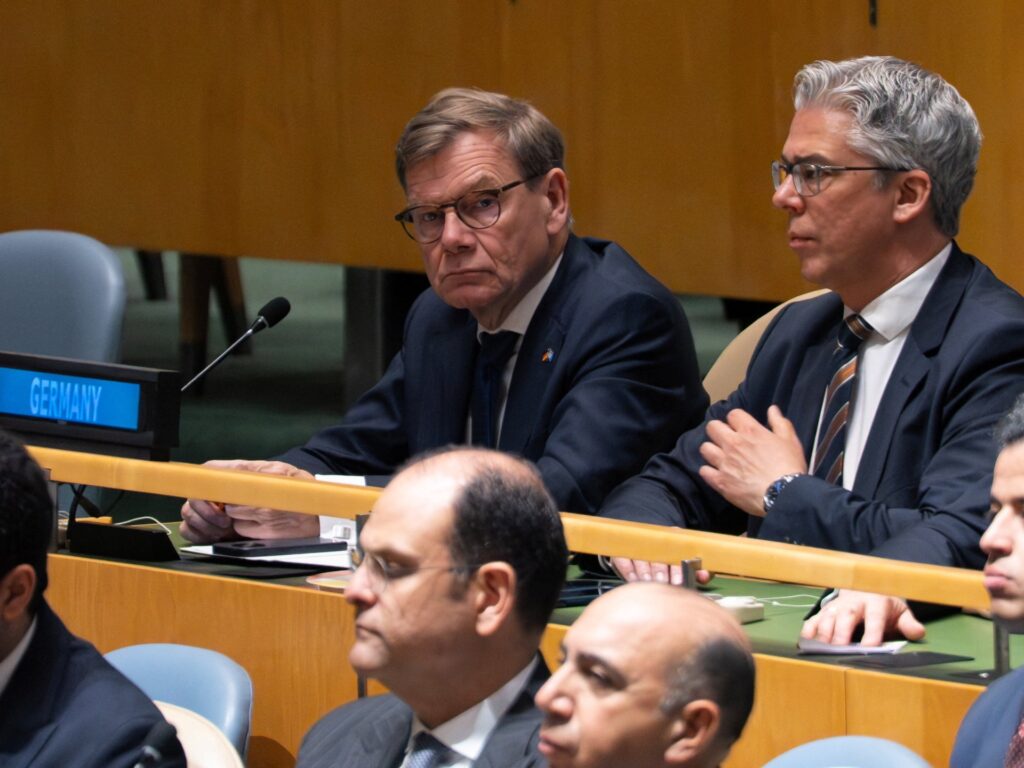
In a significant development in international diplomacy, Germany has admitted to failing to secure a non-permanent seat on the United Nations Security Council (UNSC) for the first time. The failure marks a notable shift in Germany’s usual success in obtaining this influential position, which is pivotal in shaping global peace and security policies.
The UNSC, responsible for maintaining international peace and security, includes five permanent members and ten non-permanent members elected for two-year terms. Germany has traditionally been a strong contender for one of these non-permanent seats, leveraging its diplomatic stature and economic influence within the international community.
This year, however, Germany’s bid was unsuccessful. According to German officials and diplomatic sources, the failure is likely linked to Germany’s outspoken support for Israel amid ongoing regional tensions and conflicts. This stance appears to have influenced certain voting dynamics within the UN General Assembly, where the seat election takes place.
Germany’s backing of Israel is viewed with mixed reactions globally. While it strengthens Germany’s ties with Israel, it appears to alienate countries that are less supportive or critical of Israel’s policies, particularly those in the Middle East and the wider Global South, whose votes are crucial in UNSC elections.
The loss signals a broader geopolitical challenge for Germany, highlighting the complex intersection of international diplomacy, regional conflicts, and global power alignments. Analysts suggest that Germany’s failure could prompt a reassessment of its foreign policy strategies within the United Nations and beyond.
Germany’s Foreign Minister expressed disappointment over the outcome but reaffirmed the country’s commitment to working closely with the United Nations and other international partners to promote peace, security, and multilateral cooperation.
This event also reflects the growing complexities within the UN system, where member states’ alliances and political stances increasingly impact decisions that transcend mere procedural elections. Germany’s experience serves as a reminder of how geopolitical realities and national policies can directly influence a country’s role and influence in global governance.
The repercussions of this failure are expected to resonate in future diplomatic engagements and may affect Germany’s influence in the UNSC’s decision-making processes until it potentially secures a seat in future elections. Meanwhile, the UN Security Council continues to navigate a challenging global landscape marked by multiple crises and power shifts.
Germany remains a key player in international affairs, and its loss in this election underscores the importance of navigating international politics with nuanced diplomacy, especially on sensitive issues like support for Israel.
The global community will be closely watching how Germany adjusts its approach moving forward and whether it can regain its position on the Security Council in upcoming elections, which are critical for maintaining balanced representation and addressing global peace challenges.