In the Persian Gulf region, tensions remain high following recent clashes between the United States and Iran. These confrontations have contributed to an increasingly volatile security landscape, with the potential to escalate into broader conflict if diplomatic channels do not hold.
The US-Iran clashes have drawn international attention, with both sides accusing each other of provocations. The Gulf, a critical corridor for global energy supplies, remains under close scrutiny as military and political analysts warn about the risks of miscalculation in the area.
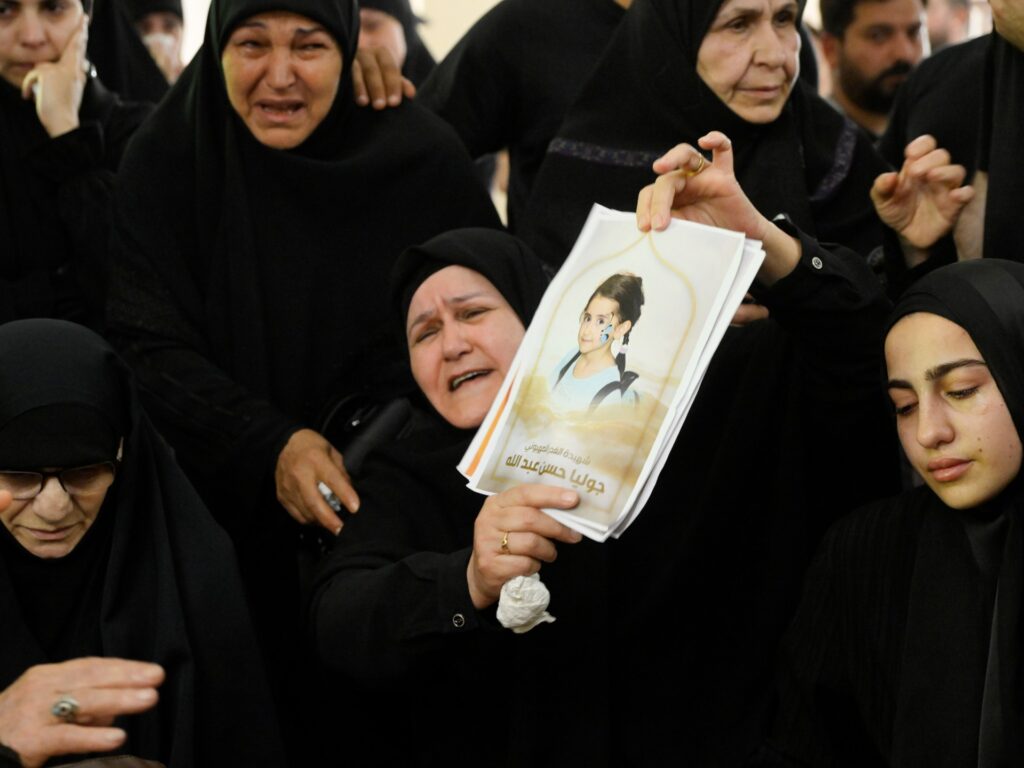
In parallel developments, Lebanon continues to bear a heavy burden amid ongoing Israeli military operations. The Lebanese Ministry of Health has confirmed that 3,516 people have lost their lives due to Israeli attacks since March. This staggering toll illustrates the severe humanitarian crisis unfolding in the region.
The death toll includes many civilians, further highlighting the devastating impact of the conflict on non-combatants. Hospitals and medical facilities have been overwhelmed, and the destruction of infrastructure has compounded the suffering of the Lebanese population.
The international community has called for restraint from all parties involved. Efforts to broker ceasefires and peace talks are ongoing but face significant challenges given the complexity of the issues and entrenched hostilities.
Experts emphasize that sustainable solutions require addressing the underlying political, territorial, and sectarian disputes that fuel the violence. Without such efforts, the cycle of conflict is likely to continue, putting more lives at risk.
Regional powers are also reacting to the developments, with some countries expressing concern over the spillover effects and the destabilizing potential of the clashes in the Gulf and Lebanon.
Diplomatic initiatives are underway, involving both regional and global actors, aiming to reduce tensions and facilitate dialogue. However, the path to peace remains uncertain amid ongoing incidents and mutual distrust.
Public opinion in the affected countries is deeply divided, with calls for both defense against aggression and demands for peaceful resolutions.
The economic consequences of the conflicts are significant, affecting trade, energy prices, and regional investment climates. Humanitarian agencies continue to provide aid but face obstacles due to security risks and access issues.
As the situation evolves, continuous monitoring and international engagement are critical to prevent further escalation and to support the populations caught in the crossfire.
In conclusion, the combination of US-Iran tensions in the Gulf and the worsening humanitarian crisis in Lebanon paints a complex and dangerous picture. The international community faces an urgent imperative to enhance diplomatic efforts and provide humanitarian relief, hoping to steer the region away from deeper conflict and toward stability.