The question of whether Israel possesses nuclear weapons remains a topic of intense speculation and debate globally. Recently, the issue resurfaced prominently when U.S. Senator Marco Rubio stated that “most of the world assesses” Israel has nuclear weapons. His comments came amid ongoing discussions about transparency and the United States’ stance on Israel’s nuclear program.
During a congressional hearing, Senator Rubio’s remarks underscored the widespread international belief regarding Israel’s nuclear capabilities, despite Israel’s longstanding policy of ambiguity. This typical Israeli policy neither confirms nor denies the possession of nuclear arms, maintaining strategic uncertainty.
The U.S. Secretary of State, when questioned at the same hearing, notably dodged directly answering inquiries about the U.S. position on Israel’s nuclear program. This evasive stance reflects the complex geopolitical and diplomatic considerations involved.
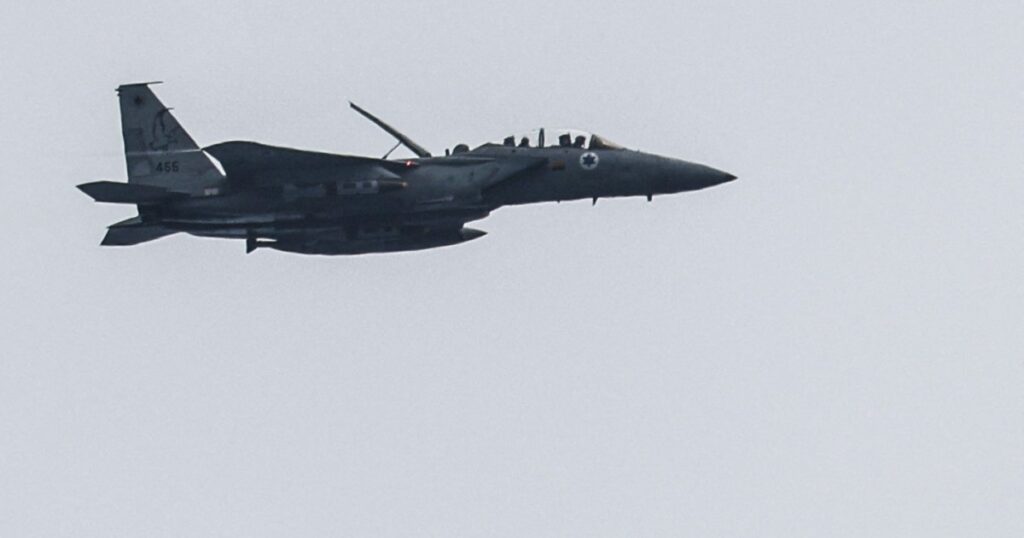
Israel is widely believed to have developed nuclear weapons decades ago, but it has never officially acknowledged such capabilities. Experts suggest that Israel’s nuclear arsenal serves as a deterrent in a volatile Middle Eastern environment. The policy of ambiguity aims to avoid provoking regional arms races while securing national defense.
Globally, most intelligence agencies and independent analysts infer that Israel possesses several hundred nuclear warheads. However, without formal acknowledgment or inclusion in international treaties like the Non-Proliferation Treaty (NPT), definitive information remains elusive.
The U.S. relationship with Israel adds another layer of complexity. Washington provides substantial military and economic support to Israel, while also promoting non-proliferation efforts worldwide. The U.S. government’s ambiguous position on Israel’s nuclear status balances these competing interests.
Senator Rubio’s public acknowledgment that many believe Israel has nukes may signal a shift towards more open discussions about the issue. However, the Secretary of State’s reluctance to elaborate indicates ongoing official discretion.
The international community continues to grapple with these uncertainties as it seeks to manage nuclear proliferation and regional security. Israel’s nuclear ambiguity inevitably affects diplomatic negotiations, arms control dialogues, and Middle Eastern stability.
While the debate over Israel’s nuclear arsenal persists, what remains clear is the sensitivity surrounding the topic in both Israeli and U.S. political spheres. Future developments may hinge on strategic considerations, changing geopolitical dynamics, and international pressure.
In conclusion, while Israel has never publicly confirmed having nuclear weapons, statements by influential figures like Senator Rubio and the global consensus point toward the existence of such capabilities. The U.S. government’s nuanced approach reflects the complexities of international diplomacy and regional security challenges.