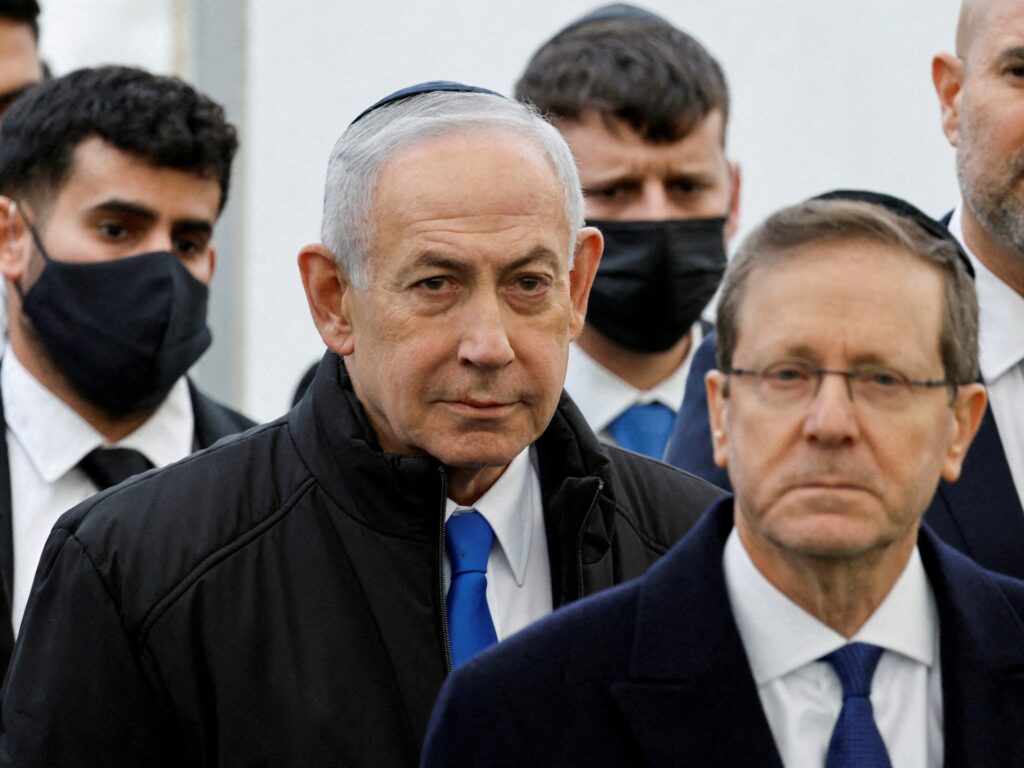
Israeli Prime Minister Benjamin Netanyahu is currently facing mounting criticism from hawkish factions within the country over his approach to the conflict with Lebanon. The criticism centers on accusations that Netanyahu is holding back on carrying out bombing campaigns against Beirut, the capital of Lebanon.
The hawkish voices argue that a more forceful military response is necessary, particularly in light of ongoing threats and provocations from Lebanese groups such as Hezbollah. These factions claim that a tougher stance, including intensified airstrikes, would effectively neutralize the threats and assert Israeli strength in the region.
Netanyahu’s strategy, which appears more measured, is seen by his critics as a sign of hesitation and weakness. They warn that this approach could embolden adversaries and undermine Israel’s security. In particular, some Israeli military analysts emphasize the importance of decisive action to dismantle the infrastructure and capabilities of hostile entities operating out of Lebanon.
Despite the domestic backlash, Netanyahu and his government maintain that a calculated approach is essential to avoid unnecessary escalation and civilian casualties in Beirut and surrounding areas. The government argues that military action must be balanced with diplomatic efforts to preserve regional stability.
This internal disagreement reflects wider debates within Israeli society and politics about how best to handle long-standing conflicts with Lebanon and Hezbollah. Netanyahu’s cautious strategy has supporters who believe that avoiding all-out military confrontation is crucial for Israel’s long-term security.
The situation remains tense as Netanyahu navigates complex military and diplomatic pressures. The outcome of this debate could significantly influence Israel’s future policies towards Lebanon and the broader Middle East.