A recent investigative documentary by AJ+ titled “Direct From” has brought to light a controversial issue involving a US university, the US Navy, and the Israeli military. The documentary explores the disturbing connections between body donation programs at the university and their subsequent use in military training exercises, specifically highlighting how dead bodies have been sold to the US Navy, which then utilize them for training Israeli military personnel.
Body donation programs traditionally serve medical and scientific purposes, offering cadavers for educational dissection and research. However, the AJ+ investigation reveals a troubling practice wherein a university in the United States is profiting by selling donated bodies to the US Navy. These corpses are reportedly used in military training simulations, some of which are claimed to support Israeli military exercises.
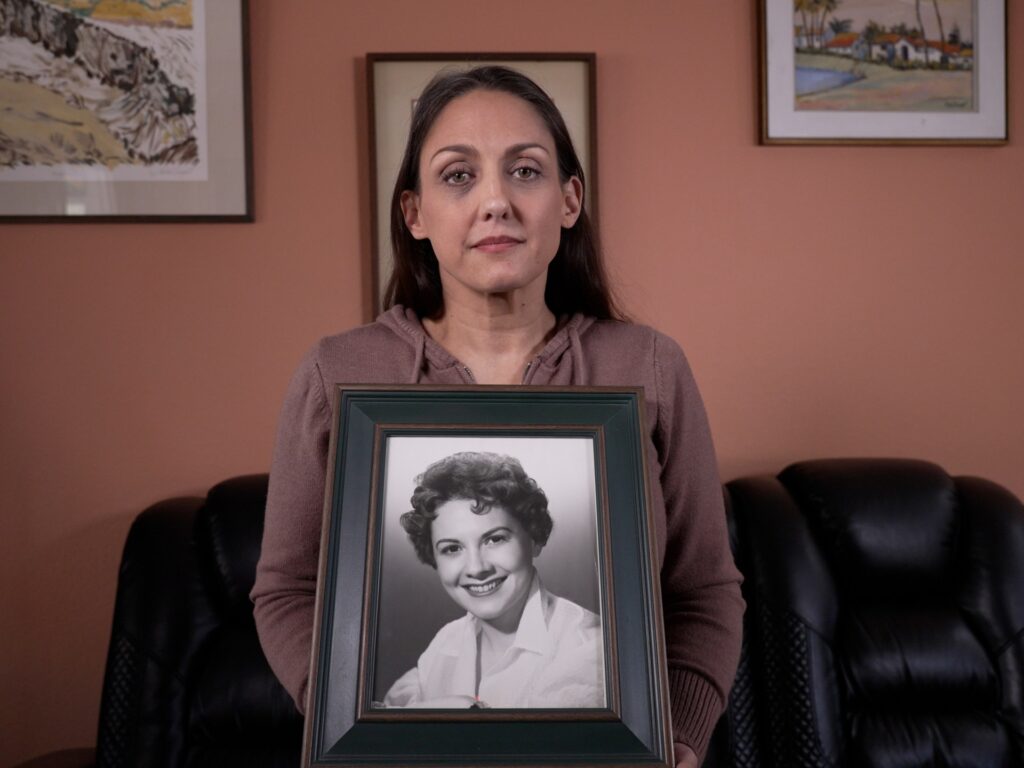
The documentary raises ethical and legal questions about the transparency and consent involved in the body donation process. Donors and their families may not have been adequately informed that their loved ones’ bodies could be used in military contexts, especially for foreign military training.
Experts interviewed in the documentary highlight concerns surrounding the commodification of human remains. The sale and transfer of bodies for military uses blur the lines between respect for the deceased and exploitation for defense training. Critics argue this practice disrespects the donors’ wishes and undermines the trust placed in medical institutions responsible for handling donated bodies.
Further, the documentary scrutinizes the relationship between the US military and Israeli defense forces, detailing how such collaborations include joint training programs. The use of donated bodies from American institutions in training that benefits a foreign military force provokes debate about ethical standards in international military cooperation.
The university involved has not publicly commented on the specifics of the allegations, but such revelations may prompt investigations into the governance of body donation programs and the oversight of military training activities involving human remains.
In response to public outcry, there may be calls for stricter regulations requiring explicit donor consent for the varied uses of donated bodies beyond medical education, particularly for military applications.
This AJ+ documentary shines a light on a lesser-known facet of military training and raises critical discussions about the intersection of ethics, consent, and international military relations. It underscores the need for greater transparency and respect in the handling of human remains, and greater scrutiny of the pathways by which donated bodies are allocated and used.
As the story develops, it highlights broader questions about how donated bodies should be used, the rights of donors, and the role institutions play in maintaining ethical standards in both medical and military fields. The documentary leaves viewers questioning the moral boundaries crossed in the name of military preparedness and international alliances.