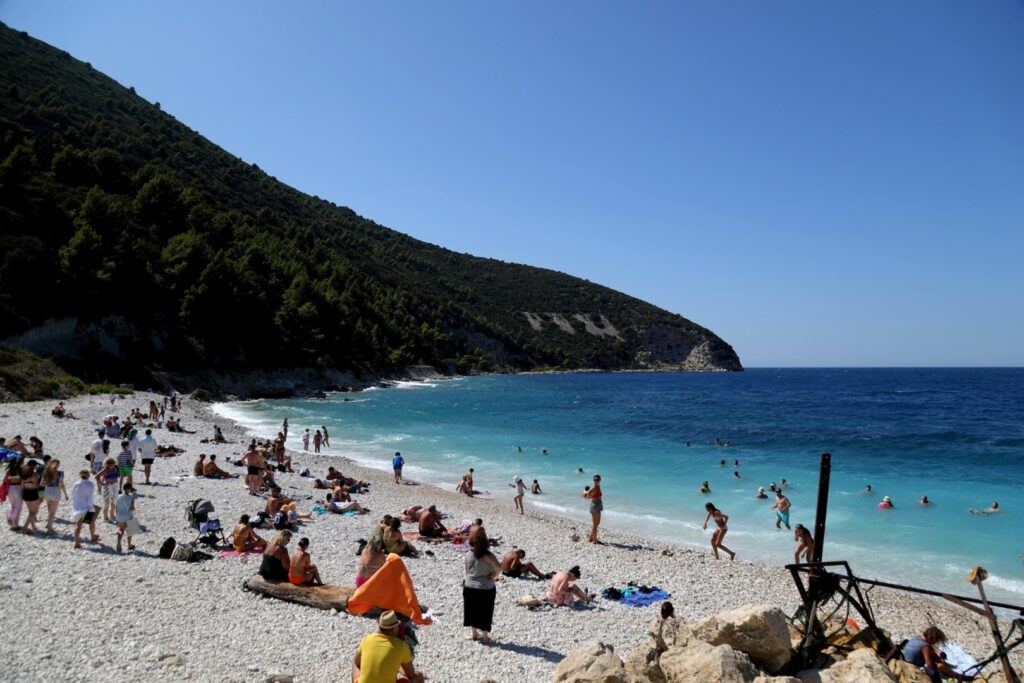
In a significant display of public dissent, hundreds of Albanians have rallied to oppose a controversial development plan for Sazan Island, a pristine and ecologically sensitive area off the coast of Albania. The planned project, spearheaded by an investment firm linked to Jared Kushner, aims to transform the island into a luxury resort destination. This development has sparked widespread concern among local communities, environmentalists, and cultural preservation advocates.
Sazan Island, located at the entrance of the Bay of Vlora, is renowned for its natural beauty, rich biodiversity, and historical significance. Once a military base, the island remains largely untouched by commercial tourism, preserving its unique landscape and ecosystem. The proposed luxury resort project promises to bring substantial investment and potential economic boost to the region; however, it has also raised alarms due to the possible environmental degradation and disruption of local heritage.
The protesters argue that the development plan prioritizes commercial interests over ecological preservation and the wellbeing of local populations. Environmental groups highlight the risks of construction activities, increased traffic, and influx of tourists, which could endanger native flora and fauna and damage the fragile marine environment surrounding the island.
Moreover, the cultural and historical importance of Sazan Island is a significant concern for many. The island contains remnants of military fortifications and historical sites that tell the story of Albania’s mid-20th-century history. Experts worry that unchecked development could lead to the destruction or irreparable alteration of these sites.
The involvement of a Kushner-linked firm has also added a layer of political complexity to the situation. Jared Kushner, known for his previous role as a senior advisor to former President Donald Trump, has been associated with various investment ventures globally. This connection has amplified local skepticism about the true intentions behind the venture, especially amidst perceptions of foreign influence and neo-colonial exploitation.
The Albanian government has stated that all environmental and regulatory assessments are being conducted and emphasized its commitment to sustainable development. However, protesters demand greater transparency and a reassessment of priorities that put community and ecological interests at the forefront.
Local activists are calling for the establishment of Sazan Island as a protected natural and historical reserve, advocating for eco-tourism models that respect and preserve the island’s uniqueness rather than large-scale luxury development. They aim to engage the government and international bodies to reconsider the development strategy and promote more responsible stewardship.
As the debate unfolds, the case of Sazan Island highlights broader challenges faced by rapidly developing regions where economic ambitions often clash with environmental and cultural preservation. The outcome of this conflict could set an important precedent for how Albania, and similar countries, balance foreign investment, local interests, and sustainability.
The protests continue to gather momentum, drawing attention from international media and environmental organizations. The future of Sazan Island hangs in the balance as stakeholders negotiate a path forward that honors both progress and preservation.