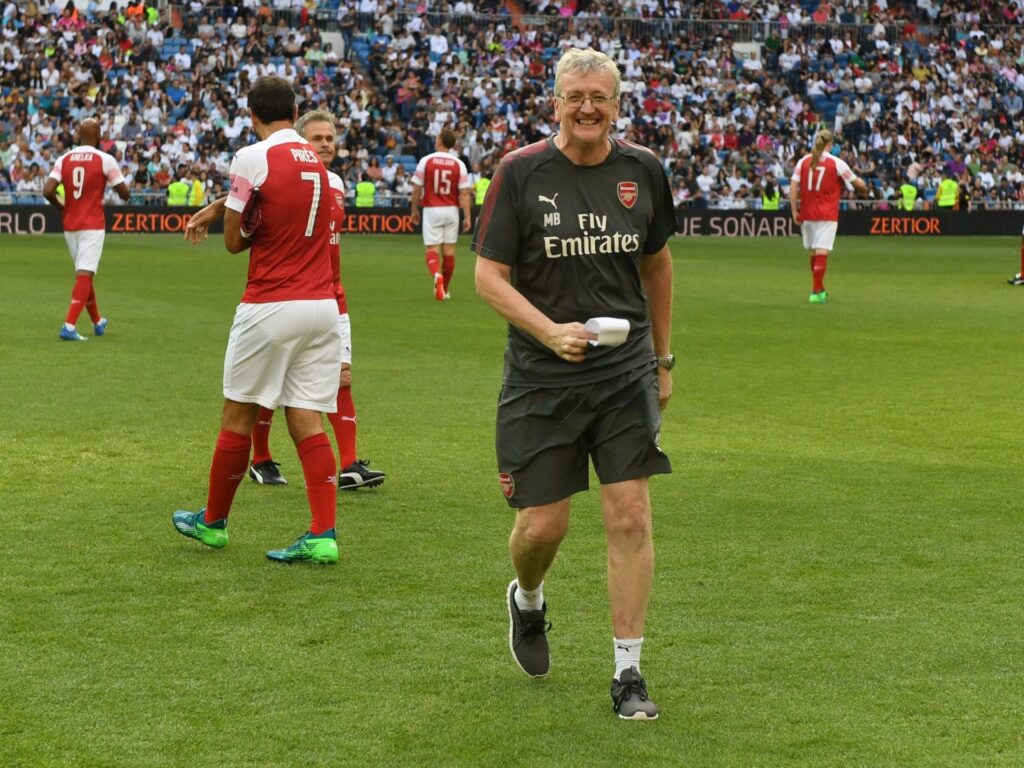
Mark Bonnick, a former staff member at Arsenal Football Club, has taken legal action against the club, alleging unfair dismissal due to his outspoken support for Palestine. Bonnick’s case has brought to light the challenges faced by employees who engage in political activism or express their personal beliefs, especially when such views intersect with their professional environment.
Bonnick, who was terminated from his position at Arsenal, claims that his dismissal was directly linked to his vocal support for Palestine. Despite the repercussions, he has stated that he does not regret speaking out on the issue, emphasizing the importance of standing up for his convictions. His lawsuit contends that the club’s decision to sack him lacked proper justification and was influenced by external pressures related to his political stance.
The situation sheds light on the broader debate about freedom of expression in the workplace. While companies have policies to maintain neutrality and prevent potential conflicts, employees assert their right to voice opinions on critical social and political matters. Bonnick’s case could set a precedent for how sports clubs and other organizations handle staff involvement in political discourse.
Arsenal Football Club has yet to publicly comment on the lawsuit or provide specific reasons for Bonnick’s dismissal. The club is known for its diverse fan base and global reach, making the issue particularly sensitive. Supporters and critics alike are watching the development closely, as the legal battle continues.
The case also resonates beyond football, highlighting ongoing tensions between freedom of expression and corporate interests in various industries. As society becomes more socially and politically aware, the intersection between personal beliefs and professional roles remains increasingly complex.
Mark Bonnick’s decision to pursue legal action reflects his commitment to accountability and justice, aiming to challenge what he perceives as unfair treatment. The outcome of the lawsuit could influence not only Arsenal Football Club’s internal policies but also the wider sports community’s approach to employee activism.
This incident underscores the need for clear guidelines on political expression at work, balancing organizational integrity with individual rights. As the case unfolds, it may trigger broader conversations about the boundaries of free speech within professional settings and the protections afforded to employees worldwide.
In conclusion, the dispute between Mark Bonnick and Arsenal Football Club over his support for Palestine and subsequent dismissal is more than just an employment case; it is a reflection of ongoing societal struggles over free speech, identity, and justice. The final verdict will likely have implications far beyond the Premier League, resonating across sports and workplaces globally.