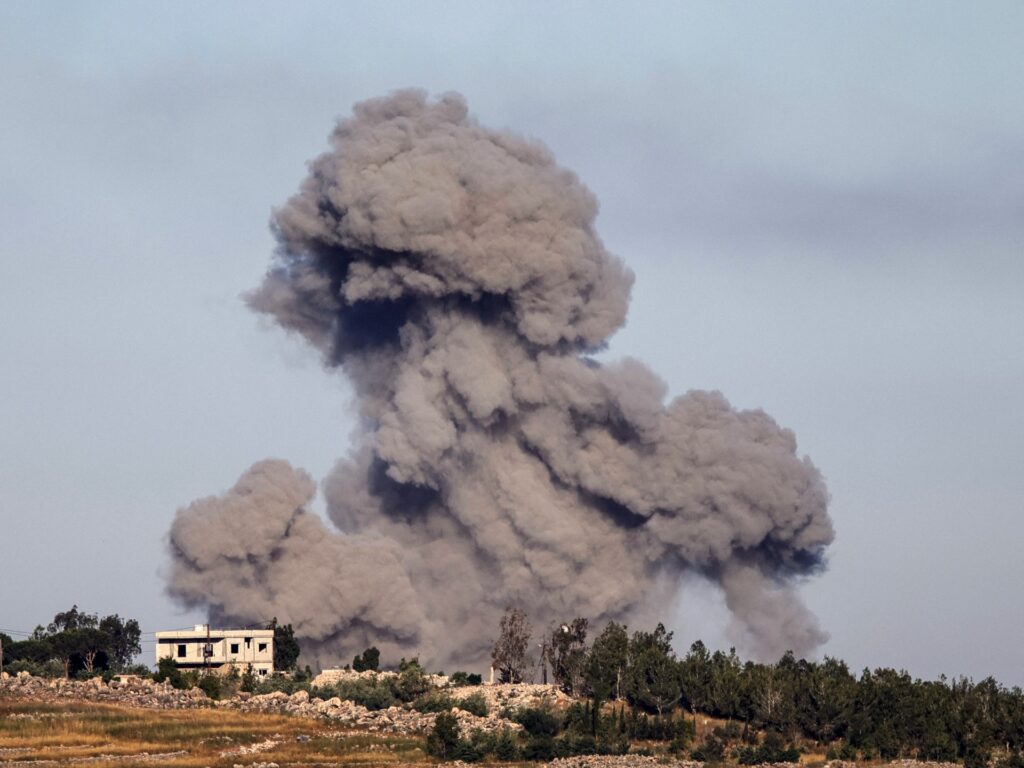
The ongoing conflict in the Middle East has taken a significant and alarming turn as Israel has expanded its military operations into Lebanon, prompting a surge of global concern. This escalating situation has drawn immediate attention from the international community, with France leading calls for an emergency meeting of the United Nations Security Council to address the burgeoning crisis.
Israel’s incursion into Lebanese territory marks a dramatic expansion of what was initially centered on other regional conflicts. The military actions have raised fears of a broader conflict that could destabilize not just the immediate region but also pose risks to international peace and security.
France, acting swiftly as part of its commitment to global diplomacy and peacekeeping, has formally requested the UN Security Council convene to discuss the ramifications of Israel’s expanded campaign. This meeting is intended to deliberate on possible measures to deescalate tensions, provide humanitarian aid, and seek a path toward conflict resolution.
The United Nations Security Council, composed of fifteen member states including five permanent members with veto power, has the authority to issue resolutions aimed at mitigating such conflicts. France’s appeal to the Council underscores the urgency and seriousness with which the international community is viewing the situation.
The expanded invasion has also triggered widespread concern among neighboring countries and international actors, who warn of a potential spillover across borders. The instability threatens to exacerbate existing tensions in the Middle East, a region already grappling with decades of geopolitical challenges.
Humanitarian organizations have voiced distress as civilians bear the brunt of intensified military activities. Reports of casualties, displacement, and destruction of infrastructure are mounting, highlighting the profound human cost of the conflict.
Global leaders are calling for restraint, urging all parties involved to avoid actions that could further inflame the situation. Diplomatic channels are reportedly active behind the scenes as efforts to negotiate ceasefires and peace talks gain momentum.
The international community remains watchful, recognizing that the conflict’s escalation into Lebanon could have wide-reaching implications, including destabilizing alliances, triggering refugee crises, and impacting global economic and security interests.
As the situation develops, the role of the United Nations Security Council will be pivotal in shaping an international response aimed at restoring peace and preventing further deterioration of the already fragile regional security landscape.
In summary, Israel’s expanded military operations into Lebanon have sent ripples of alarm worldwide, prompting urgent diplomatic actions and calls for de-escalation. The coming days are critical as global powers attempt to navigate this complex conflict and work toward a resolution that safeguards regional and global stability.