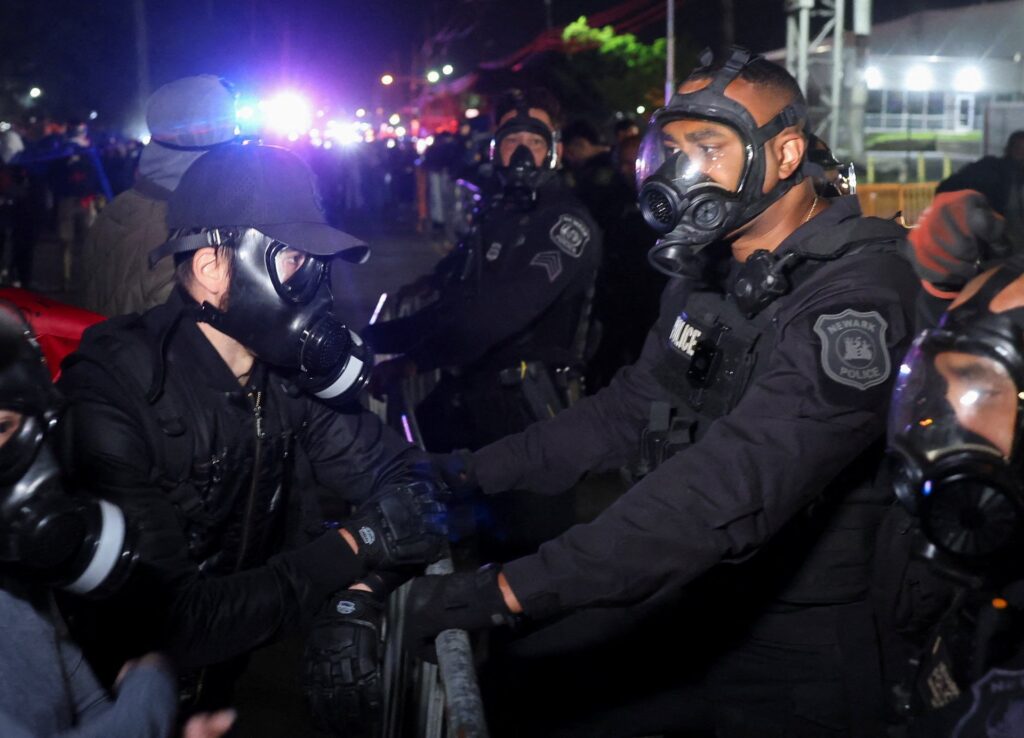
In response to escalating tensions and unrest at the Delaney Hall immigration detention centre, the Mayor of Newark has imposed a strict curfew to restore order and ensure public safety. This decision comes amid growing concerns about protests and clashes between detainees, activists, and law enforcement personnel.
Delaney Hall, located in Newark, New Jersey, has been a focal point for immigration-related protests as activists demand better conditions and transparency regarding the treatment of detainees. The detention centre has seen a surge in demonstrations, which occasionally escalated into confrontations with police forces tasked with maintaining control.
Mayor of Newark cited the need to prevent further violence and ensure the safety of the community, detention centre staff, and detainees as the primary reasons for enforcing the curfew. The measure restricts movement in and around the detention centre during specified evening and overnight hours, aiming to reduce the likelihood of clashes and maintain a peaceful environment.
New Jersey Governor Mikie Sherrill has also weighed in on the situation, advocating for the establishment of designated protest zones. Governor Sherrill emphasized that such zones would help minimize the potential for violent confrontations by providing official areas where protests can happen safely and lawfully.
Governor Sherrill’s proposal seeks to balance the right to peaceful protest with the necessity of public order and safety. By organizing protest activity into designated zones, authorities hope to facilitate expression while reducing friction between police and demonstrators.
The Delaney Hall detention centre has become emblematic of wider national debates over immigration enforcement and detainee rights. Advocates argue that better transparency and humane treatment are critical, while law enforcement stresses the importance of security and legal compliance.
The Newark Mayor’s curfew has received mixed reactions. Supporters say it is a necessary step to maintain calm and protect vulnerable populations. Critics, however, caution that curfews can infringe on civil liberties and may exacerbate tensions if not paired with other dialogue and reform efforts.
Community leaders and human rights organizations have called for increased dialogue between government officials, law enforcement, and activists to find sustainable solutions that address both security concerns and humanitarian needs.
As the situation evolves, the imposition of the curfew and the call for protest zones highlight the complexities of managing immigration-related protests in a way that respects rights while maintaining public order.
Authorities in Newark and New Jersey continue to monitor the situation closely, prepared to adapt policies as necessary to ensure safety and justice for all parties involved.
The events at Delaney Hall underscore the ongoing challenges faced nationwide in responding to immigration enforcement issues amid a climate of heightened social activism and public scrutiny. The balance between security and civil rights remains a critical focus for policymakers and community stakeholders alike.
Residents and activists are encouraged to stay informed and engaged in the developing discourse on immigration policies and detainee welfare as the Newark administration implements its curfew and New Jersey considers protest zone proposals.