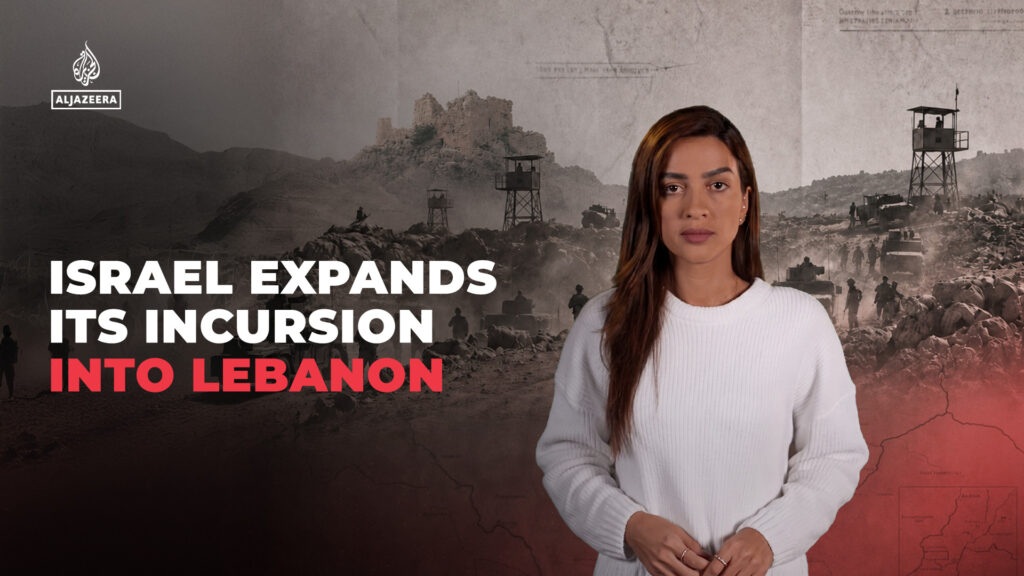
In recent developments, Israel has significantly increased its military presence in southern Lebanon, marking the largest advance into the region in years. This expansion represents a dramatic shift in the ongoing security dynamics between Israel and Lebanon, highlighting escalating tensions and strategic recalibrations in the area.
The Israeli Defense Forces (IDF) have deployed additional troops and equipment, alongside enhanced surveillance and defense systems, with the intent to secure the border region more effectively. This movement is seen as a response to perceived threats emanating from militant groups operating within Lebanon, including Hezbollah, which has often been at odds with Israel.
The advance includes the establishment of new outposts and fortified positions aimed at preventing cross-border attacks and securing Israel’s northern frontier. Military analysts note that this presence significantly extends the reach of the IDF into areas that were less accessible in recent years, signaling a more assertive posture.
The escalation follows a series of incidents that raised concerns in the Israeli government about security vulnerabilities. These incidents reportedly involved infiltration attempts and rocket fire from Lebanese territory, prompting a recalibration of Israel’s military strategy to include a deeper forward deployment.
This development has drawn reactions from various stakeholders. Lebanese officials have condemned the move, viewing it as an infringement on national sovereignty and a potential spark for further conflict. The international community has expressed mixed responses, emphasizing the need for restraint and diplomatic efforts to avoid exacerbating the volatile situation.
The increased Israeli military presence has also impacted the civilian population in southern Lebanon, where heightened tensions and military activities have led to concerns about safety and stability. Humanitarian organizations have called for protection of civilians and avoidance of escalation that could result in displacement or casualties.
Security experts suggest that this major advance could either deter hostile actions due to the increased Israeli capabilities or provoke countermeasures from militant groups, potentially triggering a cycle of escalation. The situation remains fluid, with close monitoring by regional powers and international actors.
In summary, Israel’s largest military advance into southern Lebanon in years underscores the fragility of peace and security along the border. It reflects a broader context of regional instability, where historical conflicts and emerging threats continue to shape military and political strategies. Observers remain watchful of the unfolding events, hoping for measures that prioritize peaceful resolution over conflict.