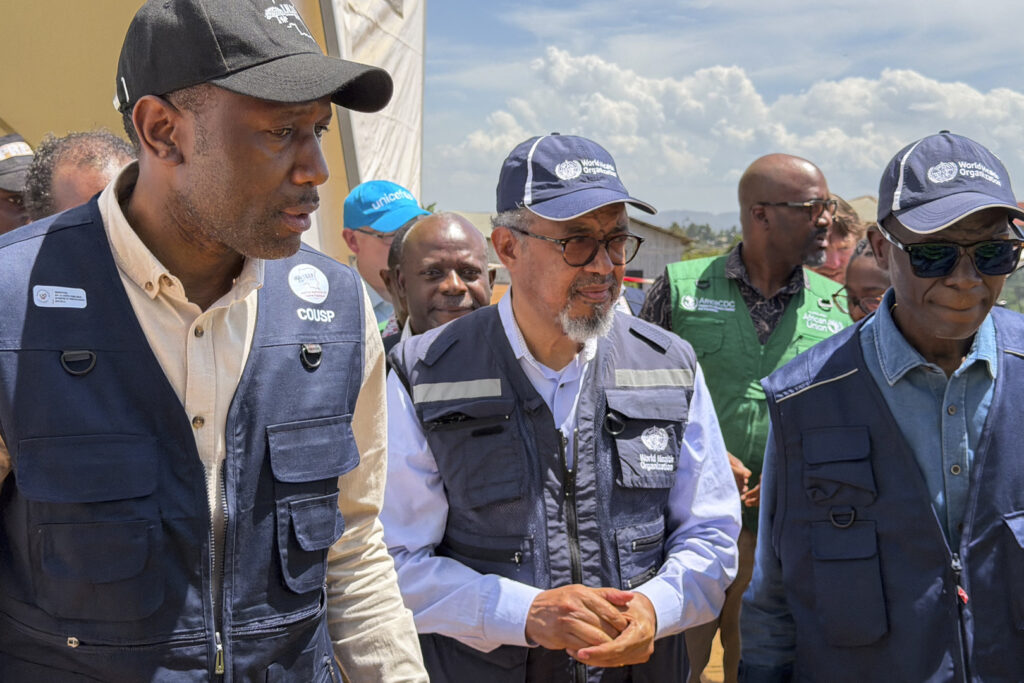
World Health Organization (WHO) Chief Tedros Adhanom Ghebreyesus has arrived in Bunia, the epicentre of the Ebola outbreak in the Democratic Republic of the Congo (DRC). This visit underscores WHO’s commitment to combating the ongoing health crisis and supporting local efforts to control the spread of the virus.
Bunia, located in the northeastern part of the DRC, has been the focal point of the recent Ebola resurgence. The outbreak poses significant public health challenges due to the region’s complex humanitarian and security environment.
Dr. Tedros’ visit aims to assess the situation on the ground, meet with health workers, government officials, and affected communities, and bolster the coordination of response measures. His presence is expected to enhance international attention and mobilize resources to accelerate containment efforts.
The outbreak, which was first detected in the area, has since spread, leading to numerous confirmed cases and fatalities. WHO and its partners have been actively deploying medical teams, establishing treatment centers, and conducting vaccination campaigns to curb the spread.
During his visit, the WHO Chief will also focus on strengthening surveillance systems, ensuring the delivery of critical medical supplies, and addressing the social and economic impacts of the outbreak on local populations.
The DRC government, alongside WHO and international partners, has launched an integrated response to this health emergency. This includes community engagement to foster awareness and combat misinformation, which is crucial for effective outbreak management.
Dr. Tedros’ presence in Bunia is a significant gesture of solidarity and support to the frontline workers risking their lives. It also reiterates WHO’s global mandate to lead and coordinate international health responses during epidemics.
Healthcare infrastructure in the affected areas has been under strain, but recent developments in field operations aim to enhance capacity and readiness. Strengthened collaborations with local authorities and health organizations are pivotal in this regard.
The ongoing efforts include monitoring contacts, prompt isolation of suspected cases, and extensive public health communication campaigns. These measures are critical to breaking chains of transmission and protecting vulnerable populations.
WHO’s engagement extends beyond immediate medical response, encompassing efforts to build resilience within health systems to better manage future outbreaks.
The visit comes at a crucial time as the disease continues to test the resilience of health systems and communities in the DRC. WHO remains committed to supporting national efforts until the outbreak is fully contained.
This high-profile visit by WHO’s top official highlights the gravity of the situation and the necessity of a coordinated international response. Continued vigilance, investment, and cooperation will be essential to overcoming the Ebola threat in the DRC and preventing its spread regionally.
As the situation evolves, WHO is providing regular updates and guidance to affected populations and worldwide partners to ensure transparency and efficacy in outbreak management.
The global health community watches closely as WHO and DRC authorities intensify efforts to bring the outbreak under control, with hopes that concerted actions will soon lead to a decline in cases and a return to stability in Bunia and surrounding areas.