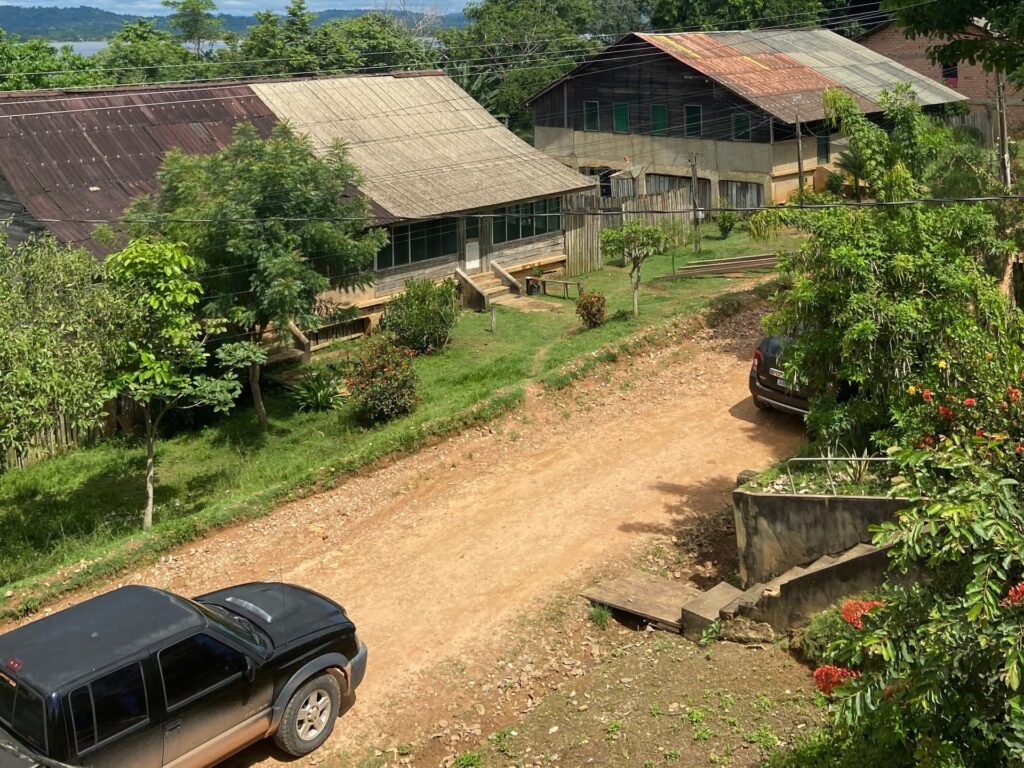
A recent court ruling in Brazil has been hailed as a significant victory by prosecutors for the preservation of Fordlandia, the historic site originally developed by the Ford Motor Company. Fordlandia, once an ambitious industrial venture by Henry Ford to establish a rubber plantation and community in the Amazon rainforest, has fallen into neglect and decay over the years. Advocates and environmentalists have long criticized the Brazilian government for its sluggish response to addressing the site’s deteriorating condition, arguing that it has allowed an important cultural and historical landmark to deteriorate.
The court decision mandates the preservation and restoration of Fordlandia, emphasizing its historical, cultural, and environmental significance. Prosecutors described the ruling as a “landmark” moment, underscoring the need to protect Brazil’s heritage and promote sustainable stewardship of such sites. Fordlandia serves as a poignant reminder of early 20th-century industrial ambitions and the complex interactions between industry, environment, and indigenous communities in the Amazon.
Fordlandia was established in the late 1920s with the goal of producing rubber for the burgeoning automobile market. The project faced numerous challenges, including difficulties in cultivating rubber trees, tropical diseases, and clashes with local populations. Ultimately, the venture was abandoned, leaving behind ruins that have intrigued historians and tourists alike.
Despite its abandonment, Fordlandia remains a culturally and historically significant site, representing industrial history and the legacy of American investment in Brazil. Prosecutors have highlighted the importance of preserving Fordlandia not only as a heritage site but also as an educational resource that can raise awareness about environmental conservation and the social history of the Amazon region.
The ruling requires the Brazilian government to take concrete steps for the site’s protection, including measures to prevent further degradation, investment in restoration projects, and the development of sustainable tourism initiatives. Environmental groups have welcomed the decision, hoping it will spur greater governmental responsibility and initiative in preserving other neglected historical sites across Brazil.
Critics have argued that the government’s previous inaction was a missed opportunity to harness Fordlandia’s full potential for cultural tourism and education. The new ruling sets a precedent for how courts can influence environmental and heritage conservation, highlighting the judiciary’s role in safeguarding national assets.
Local communities near Fordlandia have expressed cautious optimism about the ruling, hopeful that preservation efforts will provide economic opportunities without compromising the ecological integrity of the region. The restoration and promotion of Fordlandia could create jobs, attract visitors, and foster a deeper appreciation for Amazonian history and culture.
As Brazil grapples with pressures on its natural and cultural heritage, the Fordlandia ruling represents a critical step towards balancing development, preservation, and respect for historical legacies. It also shines a light on the broader challenges faced by heritage sites in tropical regions, where environmental factors and lack of resources often complicate conservation efforts.
In summary, the court ruling to preserve Fordlandia has been widely praised as a vital move in protecting Brazil’s rich industrial past and promoting sustainable heritage management. Advocates hope this decision will mark the beginning of a more proactive approach to conserving Brazil’s diverse and invaluable cultural landmarks for future generations.