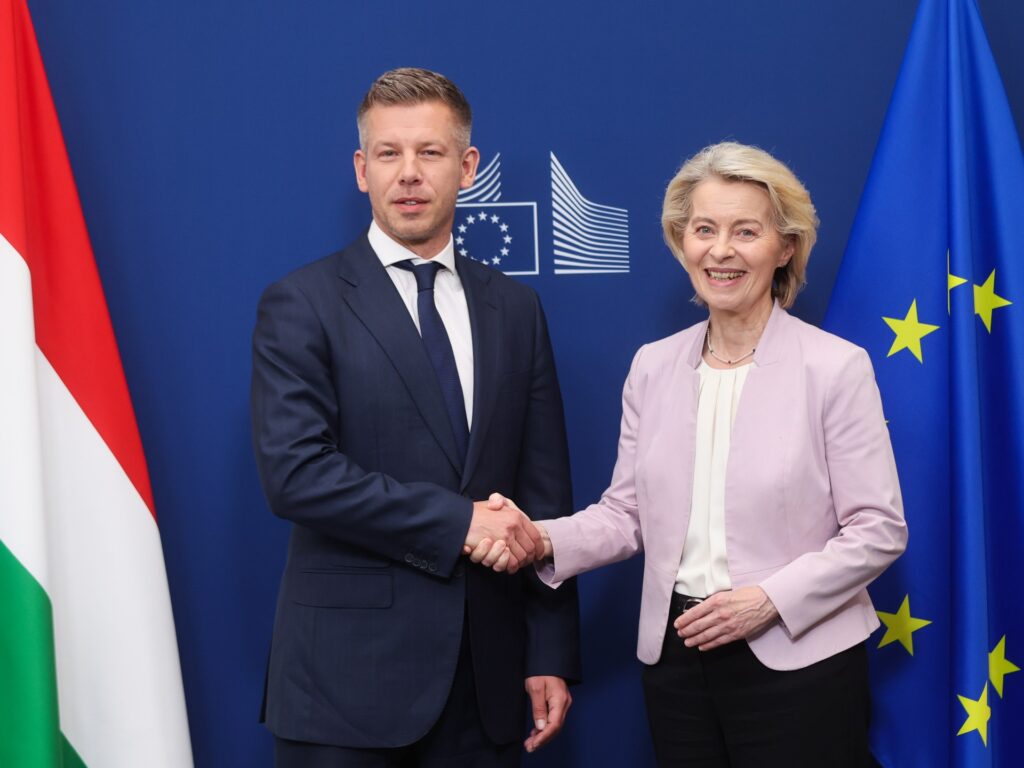
The European Union (EU) has reached a landmark decision to release billions of euros in frozen funds to Hungary, following significant reforms initiated by Prime Minister Peter Magyar. This move marks a pivotal moment in the ongoing relationship between Hungary and the EU, aimed at resolving financial and political tensions that had persisted under the previous administration led by former Prime Minister Viktor Orban.
For years, Hungary faced a freeze on substantial EU funds due to concerns over governance, rule of law, and democratic standards during Orban’s tenure. The suspension of these funds was part of the EU’s broader effort to ensure that member states adhere to shared values and legal standards critical to the union’s integrity.
Prime Minister Peter Magyar, who assumed office following a political shift in Hungary, embarked on a series of reforms targeting transparency, judicial independence, and anti-corruption measures. The reform agenda was designed to align Hungary’s policies more closely with EU expectations and to mend the strained relationship with Brussels.
In a statement describing the breakthrough, Magyar called the EU’s agreement to unlock the frozen billions a “historic” achievement for Hungary. He emphasized that the release of these funds would bolster Hungary’s economic recovery and development projects, facilitating investments in infrastructure, education, and health sectors.
The EU’s decision was welcomed by financial experts and EU officials as a sign of constructive engagement and progress in rule-of-law standards within Hungary. It was highlighted that the decision came after months of detailed assessments and the establishment of monitoring mechanisms to ensure that the reforms continue effectively.
This development also has broader implications for the EU’s cohesion policy, demonstrating the union’s capacity to use conditional funding as leverage to promote democratic governance and accountability among member states. The Hungarian case may now serve as a precedent for dealing with other countries facing similar challenges.
Hungary’s new government’s commitment to reform is viewed as a positive signal by investors and international partners. The thawing of EU funds is expected to unlock additional private and public investments, propelling the country’s growth and integration within the EU’s single market.
As Hungary prepares to receive these funds, it is tasked with maintaining momentum in implementing reforms and cooperating fully with EU oversight bodies. Failure to do so could risk future funding or invite renewed scrutiny, underscoring the delicate balance between national sovereignty and adherence to EU norms.
In conclusion, the release of billions in frozen EU funds to Hungary marks a significant milestone in rebuilding trust and cooperation between Budapest and Brussels. It highlights the impact of political change and reform efforts on international relations and economic opportunities within the European Union framework. The coming years will be crucial in demonstrating the sustainability of these reforms and Hungary’s commitment to shared European values.