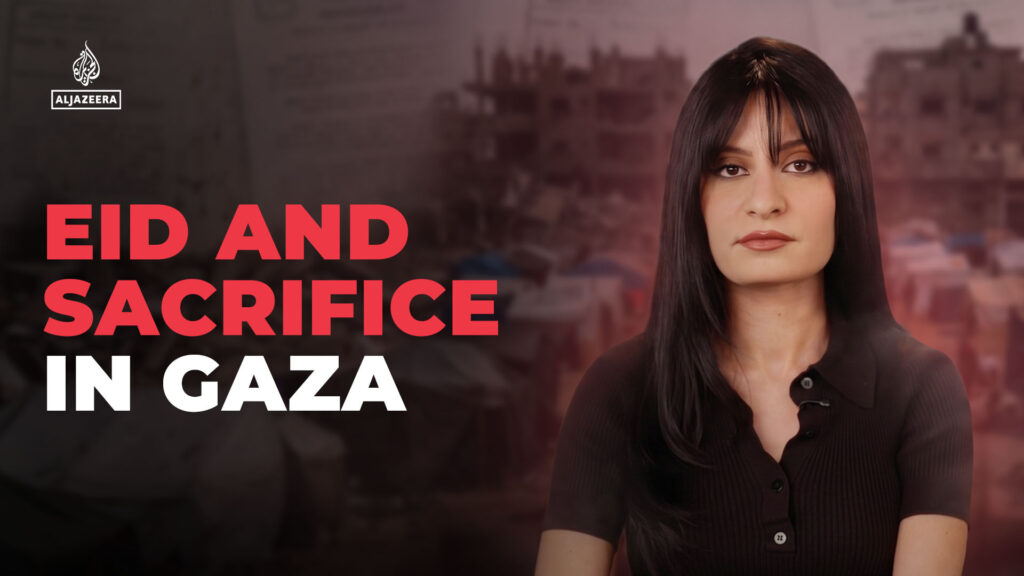
This year, Eid al-Adha in Gaza was observed under somber conditions, making it the third consecutive year without the traditional animal sacrifice or the opportunity for residents to attend Hajj. The celebration of Eid al-Adha, also known as the Festival of Sacrifice, typically involves the ritual slaughter of animals such as sheep, goats, or cattle as a symbol of devotion and willingness to sacrifice for faith. However, the ongoing challenges faced in Gaza have prevented many from performing these vital religious traditions.
The absence of animal sacrifices impacts not only religious expression but also the social fabric of communities in Gaza. Animal sacrifice during Eid al-Adha is a deeply rooted cultural practice that strengthens family ties and community bonds. The meat is traditionally distributed among family members, neighbors, and those in need, embodying the spirit of charity and solidarity that characterizes the festival.
Furthermore, the inability to undertake the Hajj pilgrimage—an obligation for Muslims who are physically and financially able—adds to the sense of deprivation. With travel restrictions, economic hardships, and political instability, Gazans remain cut off from participating in one of the most significant pillars of Islam.
The confluence of these factors highlights the ongoing hardships in Gaza, where political conflict, economic blockade, and restrictions on movement have severely limited residents’ ability to observe religious customs and fulfill spiritual obligations fully.
Local religious leaders and community members have expressed deep sorrow over this sustained interruption to tradition. Many have called on the international community to assist in alleviating the hardships faced by Gazans, to restore their ability to perform religious rites and improve their quality of life.
Despite these difficulties, the people of Gaza continue to gather in homes and mosques to pray and commemorate Eid al-Adha, demonstrating resilience and steadfast faith amidst adversity.
The situation in Gaza serves as a poignant reminder of the impact of conflict on cultural and religious practices. It underscores the need for renewed efforts towards peace, humanitarian aid, and support for communities affected by protracted crises.
In conclusion, Eid al-Adha in Gaza this year is emblematic of broader struggles that transcend religious observance, touching on themes of human rights, dignity, and the enduring spirit of a community striving to maintain its identity and faith under challenging circumstances.