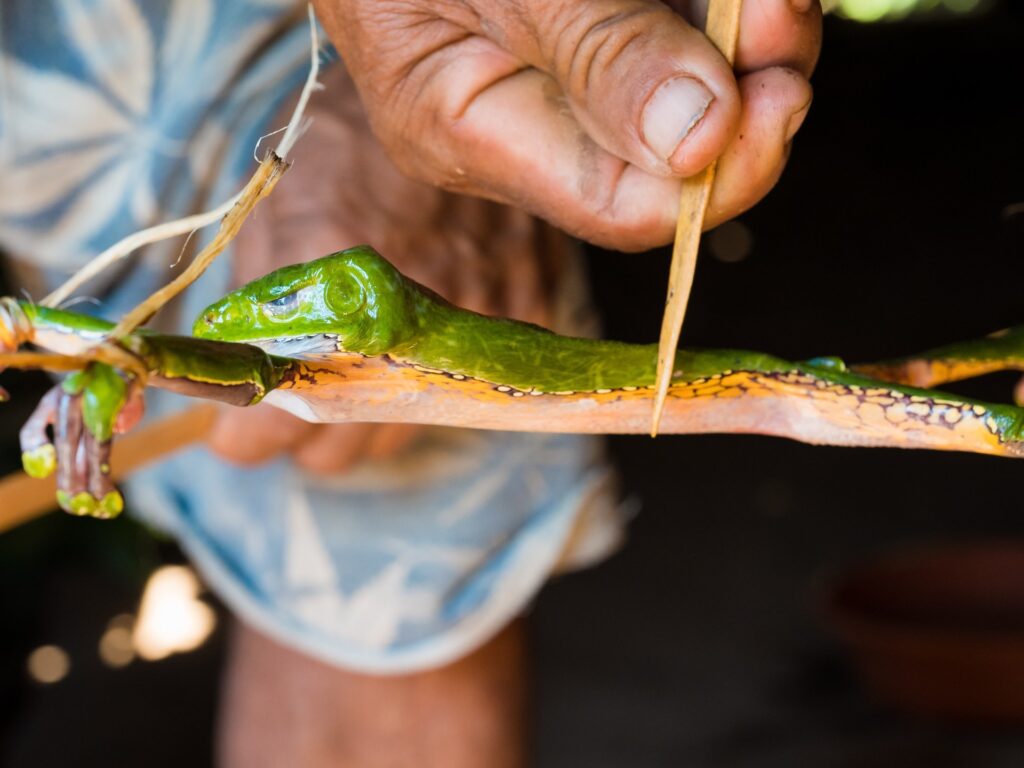
Kambo is a traditional spiritual ritual involving the secretion of the giant monkey frog (Phyllomedusa bicolor) used by indigenous Amazonian communities primarily for healing and cleansing purposes. This ritual has recently garnered significant attention outside the Amazon as it is being marketed as a powerful detoxification method and spiritual cleanse. However, indigenous groups have issued strong warnings against kambo’s use by non-specialist practitioners, citing serious health risks and several death cases linked to unsupervised applications.
The ritual involves the application of the frog’s toxin to small burns on the skin, causing intense vomiting and purging that proponents claim detoxifies the body, boosts the immune system, and clears spiritual blockages. The unique biochemical compounds in the kambo secretion include peptides with analgesic, antimicrobial, and other bioactive properties. Despite these intriguing characteristics, there is little scientific evidence supporting the ritual’s purported detox and cure claims.
Indigenous shamans have historically performed kambo within a rigorous cultural and spiritual framework, emphasizing careful dosage, preparation, and context. The ritual is deeply woven into tribal beliefs and cosmology, where it is considered a sacred practice rather than a commercial wellness trend. Unfortunately, the surge in popularity of kambo in wellness circles worldwide has led to its commodification and misuse by people without proper knowledge or respect for the traditional context.
Health authorities and indigenous representatives warn that kambo can cause severe adverse effects if conducted improperly. Reported risks include intense vomiting, dehydration, swelling, seizures, and even fatal cardiac complications. The toxic peptides can provoke dangerous reactions, especially in individuals with existing health conditions or those who take medications.
Several deaths have been attributed to kambo sessions conducted outside of indigenous supervision, prompting calls for caution and regulatory oversight. Indigenous groups stress that kambo should not be a casual, recreational, or profit-driven activity but rather a culturally specific rite performed by trained shamans.
In conclusion, while kambo continues to attract global fascination for its supposed healing and spiritual benefits, it remains a high-risk practice when carried out without appropriate expertise or medical supervision. Potential users should heed indigenous warnings, recognize the ritual’s cultural significance, and consult healthcare professionals to avoid life-threatening consequences. The kambo debate highlights broader issues about respecting traditional indigenous knowledge and the dangers of misuse in alternative medicine trends.