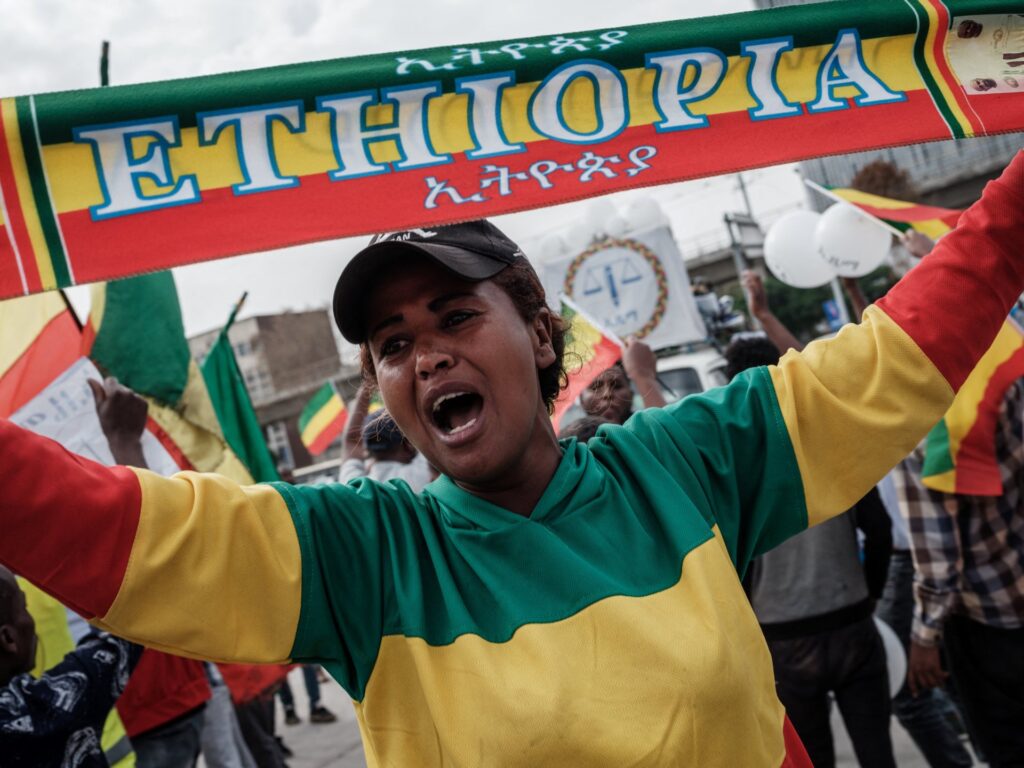
Ethiopia is preparing for a significant electoral event as the country is scheduled to hold its general elections on June 1. The upcoming vote is highly anticipated, with Prime Minister Abiy Ahmed’s ruling party seeking a landslide victory to further consolidate its power.
The political landscape in Ethiopia ahead of the elections is complex and fraught with challenges. Opposition parties remain fragmented, weakening their collective influence and potentially limiting the electoral competition. This division within opposition ranks diminishes their ability to present a unified front, which could result in a significant advantage for the ruling party.
In addition to political fragmentation, Ethiopia is currently facing security concerns. Violence in various parts of the country has created an atmosphere of tension and uncertainty. These incidents pose risks to the electoral process and have the potential to discourage voter turnout, particularly in conflict-affected regions.
The ruling party, led by Prime Minister Abiy Ahmed, is keen to leverage these advantages. Since coming to power, Abiy has implemented reforms and positioned his party as a symbol of stability and progress. The government’s narrative focuses on development, peace, and modernization, appealing to a broad base of the electorate.
However, critics argue that the current situation raises questions about the inclusivity and fairness of the electoral process. The fragmentation of the opposition and ongoing violence might limit the ability of all voices to be heard equally, undermining democratic principles.
Election observers and international stakeholders are closely monitoring the situation. The hope is that the vote will be conducted peacefully and transparently, reflecting the true will of the Ethiopian people. High voter turnout is crucial to legitimizing the election outcome and fostering national unity.
Logistical preparations for the elections have been underway, with the National Election Board of Ethiopia coordinating efforts to ensure a smooth process. Measures have been taken to provide voter education and facilitate access to polling stations, though challenges remain, especially in rural and conflict-affected areas.
The international community’s engagement with Ethiopia during this period is vital. Support for electoral integrity, human rights, and conflict resolution could help create conditions conducive to free and fair elections.
As the June 1 election date approaches, all eyes are on Ethiopia. The outcome will significantly impact the country’s future political landscape and its path toward stability and democratic governance. For Prime Minister Abiy Ahmed and his ruling party, a landslide victory would consolidate their authority and mandate but must be balanced with efforts to promote inclusivity and address the root causes of violence and division.
Ultimately, the elections represent a pivotal moment for Ethiopia, offering both opportunities and challenges. The country’s ability to navigate these complexities will determine its trajectory in the years to come.