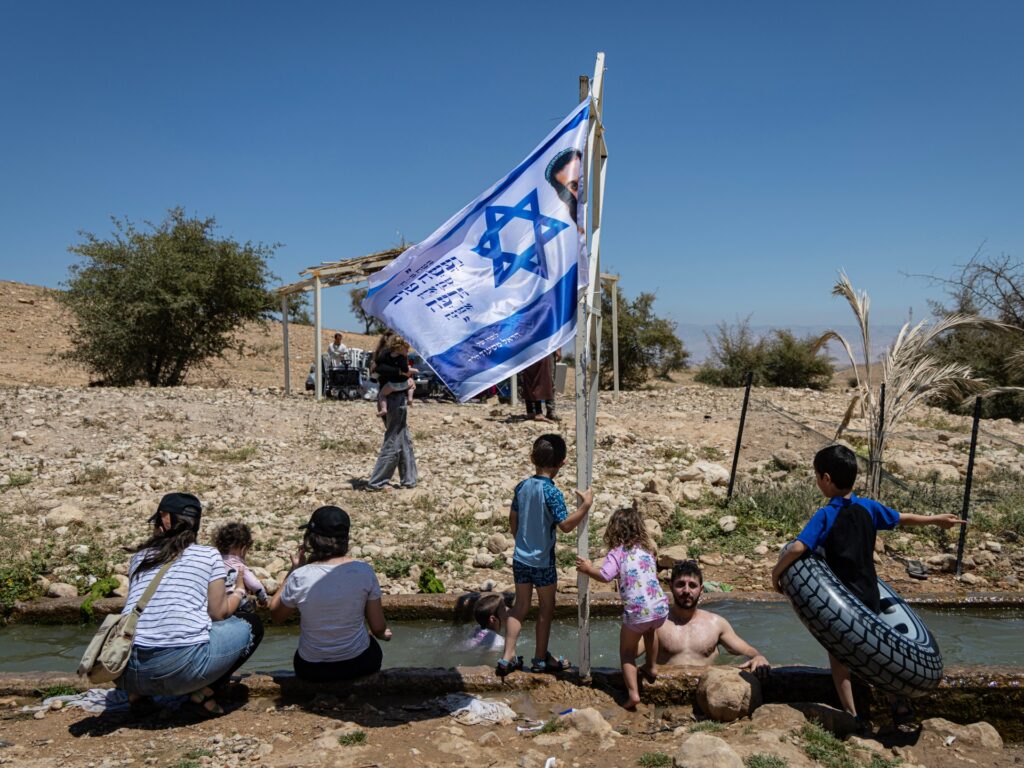
The European Union has taken a significant step by imposing sanctions on a group of Israeli settlers it describes as ‘extremist’ in the occupied West Bank. These measures target individuals and groups believed to have committed human rights violations against Palestinians, escalating tensions amidst the ongoing conflict in the region.
The EU’s decision reflects growing international concern over the activities of certain settler factions whose actions are viewed as aggressive and harmful to Palestinian communities. These measures are part of the EU’s broader commitment to uphold international law and promote human rights in conflict zones.
The sanctioned individuals and organizations are accused of participating in or orchestrating violent acts, property destruction, and harassment aimed at intimidating Palestinian residents. The EU statement emphasized that such behavior undermines peace efforts and perpetuates instability in the region.
This move follows increased incidents of settler violence reported in recent months, which have drawn condemnation from various international actors. By imposing these sanctions, the EU aims to directly address these violations and send a clear message against impunity.
The sanctions include travel bans and asset freezes on those named, restricting their ability to operate internationally. These punitive actions are intended to deter further aggression and encourage compliance with international norms.
Israeli government officials have criticized the EU’s measures, arguing that they unfairly target Israeli citizens and do not contribute to advancing peace. Meanwhile, Palestinian leaders have welcomed the sanctions, viewing them as a step towards accountability and recognition of their rights.
The situation in the West Bank remains highly complex, with deep-rooted political, social, and historical factors contributing to ongoing disputes. The EU’s involvement through sanctions highlights the international community’s role in seeking peaceful solutions.
Analysts suggest that the sanctions might influence settler activities by curbing external support and raising awareness of the consequences of extremist actions. However, they caution that sustainable peace requires comprehensive dialogue addressing the underlying issues.
Overall, the EU’s sanctions mark a notable development in the international response to the Israeli-Palestinian conflict. They underscore the importance of protecting human rights and the need for all parties to engage constructively towards a lasting resolution.