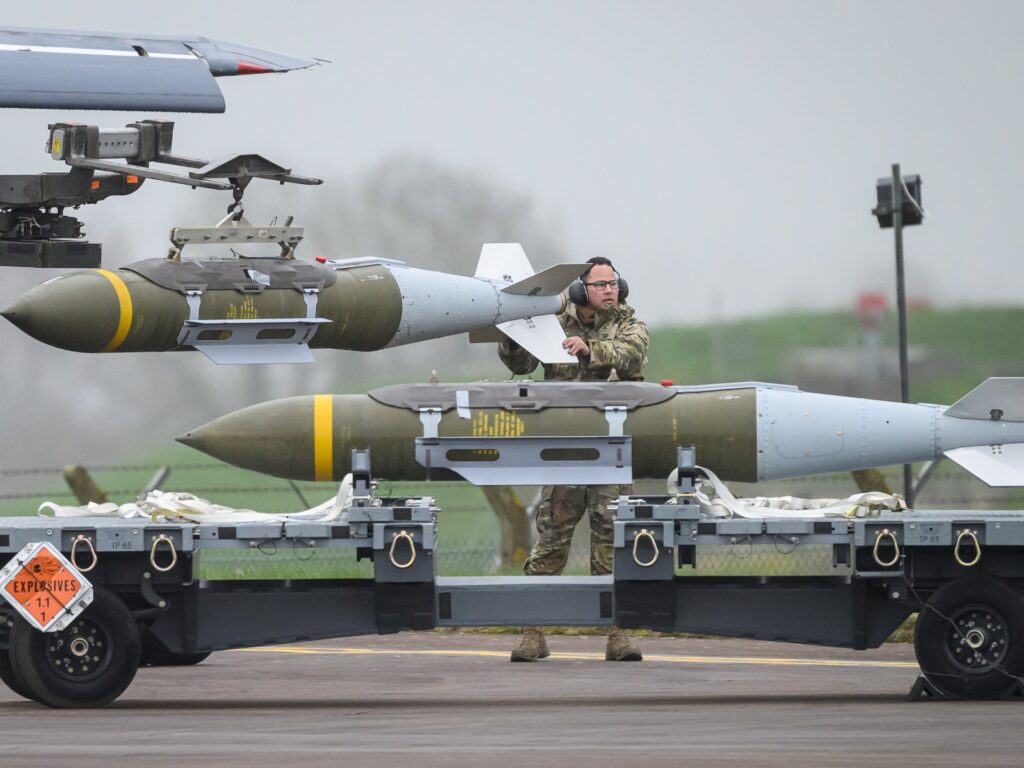
A recent report from the Center for Strategic and International Studies (CSIS) has highlighted the extensive challenges the United States will face in replenishing its munitions stockpile following a potential conflict with Iran. The report warns that restoring the pre-war levels of critical US weapons and munitions could take at least two years, underscoring the long-term logistical and manufacturing efforts required.
In the event of a conflict, the U.S. military would likely deploy a significant quantity of precision-guided munitions, missiles, and other critical ordnance to sustain operations. However, the current state of the stockpile and production capacity presents a major constraint. The CSIS analysis suggests that even with accelerated production efforts and prioritization of manufacturing resources, the replenishment timeline remains lengthy.
Several factors contribute to this extended recovery period. The production of advanced munitions involves complex supply chains that include rare materials and specialized manufacturing processes. Additionally, many of the factories producing these weapons are already operating near capacity, serving ongoing military needs globally.
The report also points to potential vulnerabilities in the supply chain that could exacerbate delays. For example, sourcing components like microelectronics and certain metals may face bottlenecks due to geopolitical tensions or competition from other industries.
Strategic experts emphasize the importance of proactive measures to mitigate these risks. Enhancements in stockpile management, increased investment in domestic production capabilities, and strengthening partnerships with allied countries for supply diversification are among the recommendations.
The implications of the CSIS report extend beyond immediate military readiness. The long duration required for restocking could affect U.S. defense policy and operational planning in the near future. It also raises questions about the sustainability of current military engagement strategies that rely heavily on consumable high-tech munitions.
In the broader context, this assessment comes amid heightened tensions in the Middle East, where the prospect of conflict with Iran remains a critical concern for U.S. national security. The potential for extended conflict scenarios further increases the complexity of maintaining adequate weapons reserves.
Military officials have begun reviewing these findings to inform future procurement and readiness strategies. Enhanced focus on research and development for more cost-effective and easily produced munitions could become a priority.
Overall, the CSIS report serves as a stark reminder of the significant investment and time required to rebuild vital defense capabilities after major military engagements. It highlights the need for strategic foresight and robust supply chain management to ensure the United States can maintain its military edge in an unpredictable global security environment.