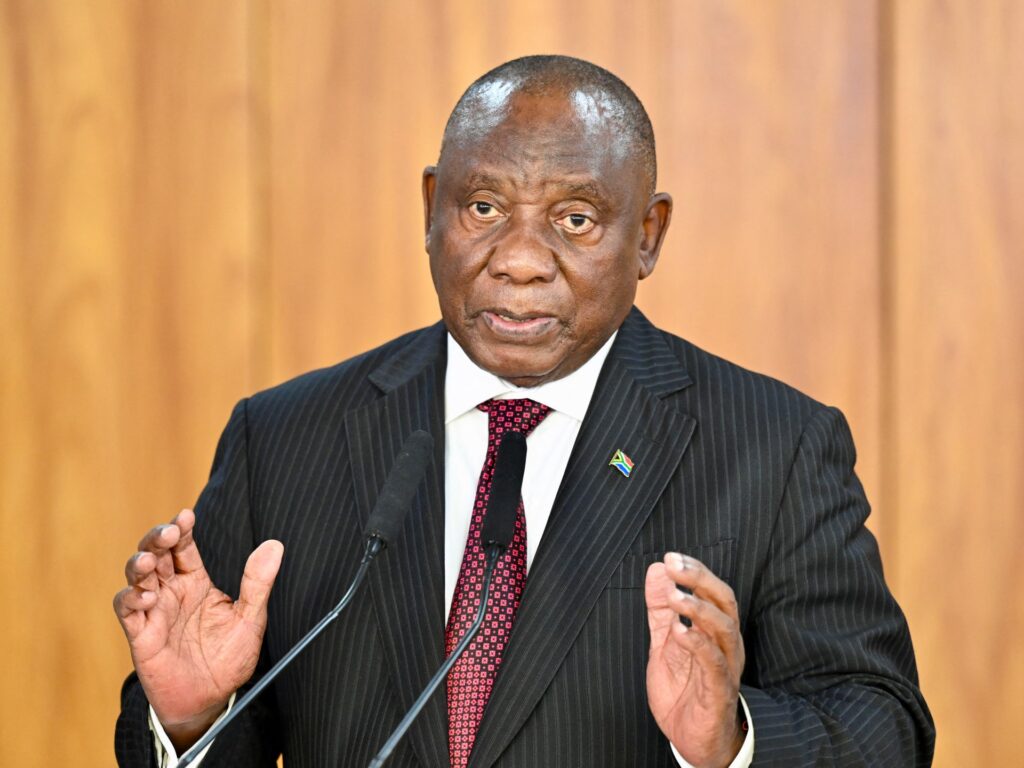
South African President Cyril Ramaphosa is set to face an impeachment inquiry following allegations linked to the so-called ‘Farmgate’ scandal. This controversy has stirred significant political tension in the country, as the president challenges the findings of the investigation in court.
The impeachment committee responsible for examining the case is scheduled to hold its first meeting next week, marking a crucial step in the proceedings. This development is significant as it highlights the accountability mechanisms existing within South Africa’s democratic system and showcases the increasing scrutiny of public officials.
The ‘Farmgate’ scandal revolves around undisclosed large sums of money found in President Ramaphosa’s farmhouse. The discovery has raised questions about financial transparency and the misuse of power at the highest levels of government. Opposition parties and civil society groups have called for a thorough investigation to determine if the president acted unlawfully or unethically.
President Ramaphosa himself has contested the legitimacy of the investigation’s findings, choosing to challenge them in court. This legal battle adds complexity to the impeachment process and prolongs the political uncertainty surrounding his administration.
The impeachment committee, comprised of members from various political factions, will convene to assess evidence, hear testimonies, and evaluate whether the president violated laws or ethical codes warranting removal from office. The committee’s proceedings will be closely monitored by both national and international observers, reflecting the global interest in South Africa’s political stability.
If the committee finds sufficient grounds, it may recommend to the National Assembly that impeachment proceedings be formally initiated. This could potentially lead to a vote, placing Ramaphosa’s leadership under even greater threat.
This situation has sparked widespread debate about governance, transparency, and accountability in South Africa, with citizens demanding clarity and justice. The outcome of this probe could have far-reaching implications for the country’s democratic processes and its political landscape.
As the impeachment inquiry unfolds, it underscores the importance of integrity in public office and the vigorous checks and balances designed to protect democratic values in South Africa. The coming weeks will be pivotal in determining the future of President Cyril Ramaphosa and the broader political environment in the country.