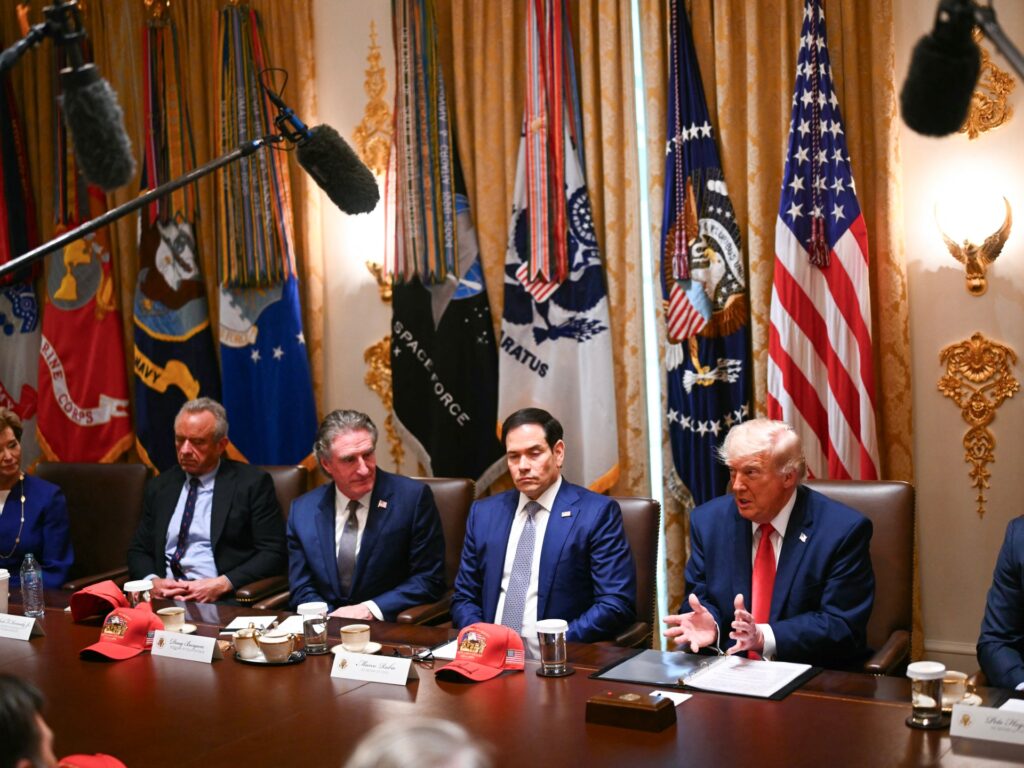
In a dramatic escalation amid rising tensions in the Middle East, former US President Donald Trump has issued a stark threat to bomb Oman. This alarming declaration comes as the conflict involving Iran intensifies, with the Strait of Hormuz—a critical chokepoint for global oil shipments—at the center of increasing geopolitical friction.
The Strait of Hormuz, a narrow passage linking the Persian Gulf with the Gulf of Oman and the Arabian Sea, is a strategic waterway through which a significant portion of the world’s oil supply passes. Any disruption or threat to shipping in this area has far-reaching implications for global energy markets and international stability.
Trump’s threat to bomb Oman, an unlikely target, has shocked observers and analysts. Oman, a US ally, maintains a neutral diplomatic stance in the regional conflict, often acting as an intermediary in tensions between Saudi Arabia, Iran, and other Gulf states. The president’s warning signals a sharp deterioration in relations and highlights the unpredictable nature of the current US administration’s foreign policy rhetoric.
Experts suggest that this threat may be linked to Oman’s geographic position and reports that Iranian forces have used Omani waters or airspace for strategic maneuvers. However, Oman has consistently denied enabling hostile actions against US interests or allies in the region.
The escalation coincides with increased Iranian military activity near the Strait of Hormuz, including reported mine-laying and attacks on commercial vessels, which have sparked considerable international concern. The US and its allies have responded with augmented naval patrols and a resolve to maintain freedom of navigation in this vital corridor.
Trump’s provocative language risks undermining diplomatic efforts to de-escalate the situation. Critics argue that threatening an ally not only strains bilateral relationships but also emboldens adversaries by projecting an image of instability and unpredictability.
International stakeholders, including the European Union and United Nations, have called for restraint and dialogue to avoid a wider regional conflict. There is growing worry that miscalculations or misunderstandings in this volatile environment could ignite open warfare.
The US administration has yet to clarify whether the threat against Oman was rhetorical or indicative of a potential shift in military strategy. Political analysts warn that such aggressive posturing complicates ongoing negotiations with Iran over its nuclear program and regional influence.
In summary, Trump’s threat to bomb Oman amid escalating tensions with Iran underscores the fragile state of Middle Eastern geopolitics. The situation remains fluid, with the potential to impact global oil markets, international security, and the diplomatic landscape drastically. Monitoring developments closely will be essential as the world watches to see if cooler heads prevail or if the conflict spirals further out of control.