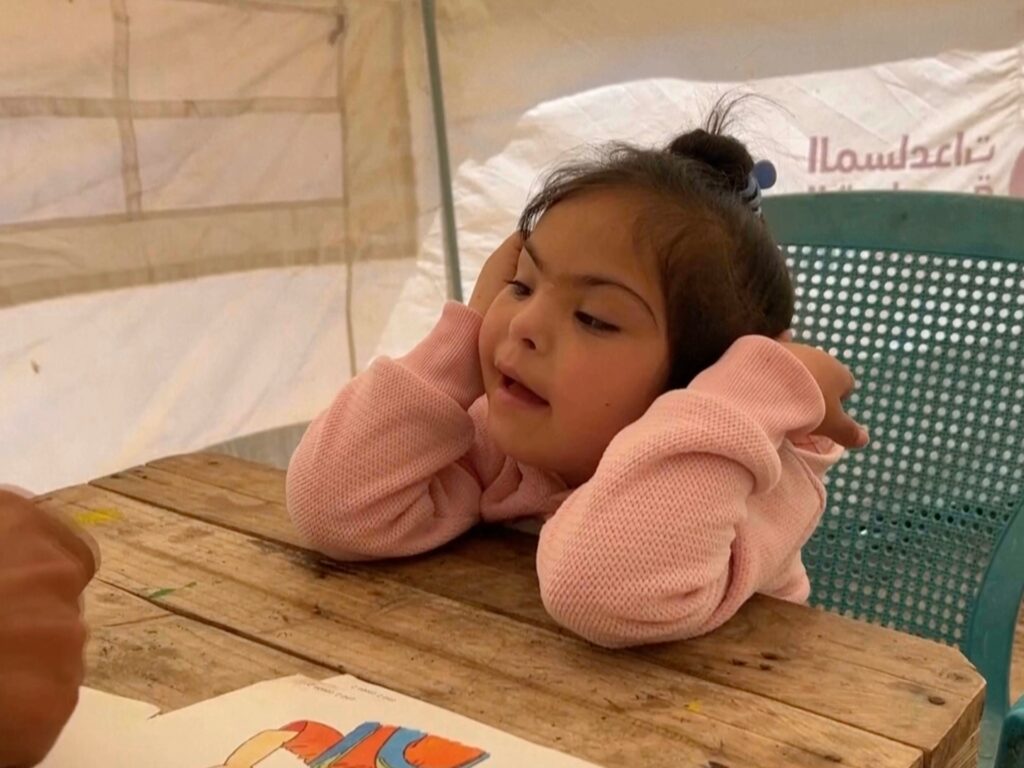
The ongoing conflict in Gaza has inflicted severe hardships on all inhabitants, but children with Down syndrome face unique and profound challenges amid the devastation. War disrupts access to essential health care, therapy, education, and stable environments critical for children with developmental disabilities.
Down syndrome is a genetic disorder characterized by developmental delays and cognitive impairment, necessitating consistent medical and therapeutic support. In Gaza, the war has destroyed hospitals and clinics, limiting specialized care at a time when it is desperately needed.
Families of children with Down syndrome are grappling with displacement, loss, and trauma, making it difficult to maintain routine and access vital services. Educational programs tailored for children with special needs have been interrupted, denying these children important opportunities for development and social interaction.
The destruction of infrastructure, shortages of medical supplies, and the psychological toll of conflict exacerbate the vulnerabilities of children with Down syndrome. Many caregivers report challenges in securing medications, therapeutic equipment, and nutritious food needed to support health and development.
International aid organizations have expressed concern over the plight of disabled children in Gaza, highlighting the urgency of delivering medical supplies, psychological support, and rebuilding educational and health services. Efforts are underway to provide mobile clinics and remote therapy sessions, but the volatile security situation hampers consistent assistance.
The war’s devastation has also triggered a rise in mental health problems among children and families, requiring specialized mental health services rarely available in conflict zones. Trauma, anxiety, and stress can severely impact the development and well-being of children with Down syndrome.
Rights advocates emphasize the need for inclusive humanitarian responses that prioritize children with disabilities such as Down syndrome, ensuring they receive tailored care during and after the conflict. Rebuilding Gaza must include restoring access to health care, education, and social support systems essential for these children’s growth and integration.
The international community is called upon to increase funding, coordinate aid delivery, and support programs for disabled children in Gaza to mitigate the devastating effects of war. Without concerted efforts, children with Down syndrome risk being forgotten victims of the conflict, facing lifelong consequences due to interrupted care and trauma.
In summary, the war in Gaza has created a dire environment for children with Down syndrome, who are especially vulnerable to the destruction of services and stability. Raising awareness, mobilizing resources, and ensuring inclusive support can help alleviate their suffering and promote their resilience amid ongoing crisis.