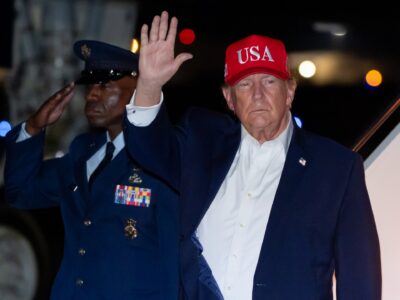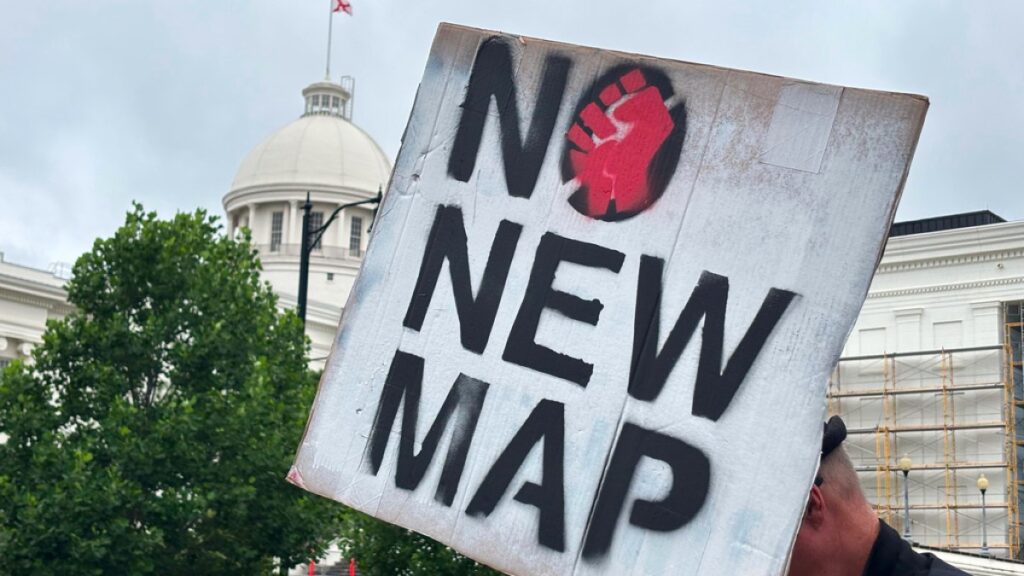
A recent push led by former President Donald Trump to influence the redrawing of congressional districts in several Southern states is facing notable resistance. The initiative, aimed at reshaping political boundaries to potentially favor certain political outcomes, has encountered setbacks in states like South Carolina and Alabama.
In South Carolina, state lawmakers have outright rejected a new congressional map proposed under this effort. The refusal reflects growing tensions and political debates within the state legislature about the fairness and implications of the redistricting plan.
Meanwhile, in Alabama, judicial intervention has come into play. Judges have struck down newly drawn U.S. House districts, deeming the maps invalid. This judicial pushback underscores the legal challenges that often accompany attempts to redraw electoral districts, particularly when accusations of partisan gerrymandering arise.
The efforts led by Trump are part of a broader national strategy by certain political groups to influence the balance of power in Congress through redistricting. Redrawing district lines can significantly affect federal elections by reshaping the voter base within each district.
However, these recent setbacks highlight the complexities and legal obstacles involved in such political maneuvers. Both South Carolina and Alabama’s experiences demonstrate how contentious and litigious the redistricting process can be, especially when stakeholders contest the fairness of the new maps.
Redistricting occurs every ten years following the census, and it is a critical part of maintaining representative democracy. Yet, it often becomes a battleground for political control. Trump’s involvement signals the high stakes that prominent political figures place on controlling this process.
Apart from South Carolina and Alabama, other Southern states may also face similar legal and political challenges if attempts to redraw congressional maps are perceived to be excessively partisan. The courts serve as a key check to ensure that new maps comply with legal standards and do not disenfranchise voters.
This ongoing saga reflects larger national debates about electoral fairness, the role of the judiciary in politics, and the future of congressional representation. As legal battles continue, the outcomes will likely set precedents that affect how congressional districts are drawn and contested in future cycles.
In conclusion, the Trump-led initiative to influence congressional redistricting in the South has run into significant hurdles. The rejections by state lawmakers and judicial strikes reveal the deep divisions and complexities involved in redistricting, underscoring the challenge of balancing political interests with legal and democratic principles.