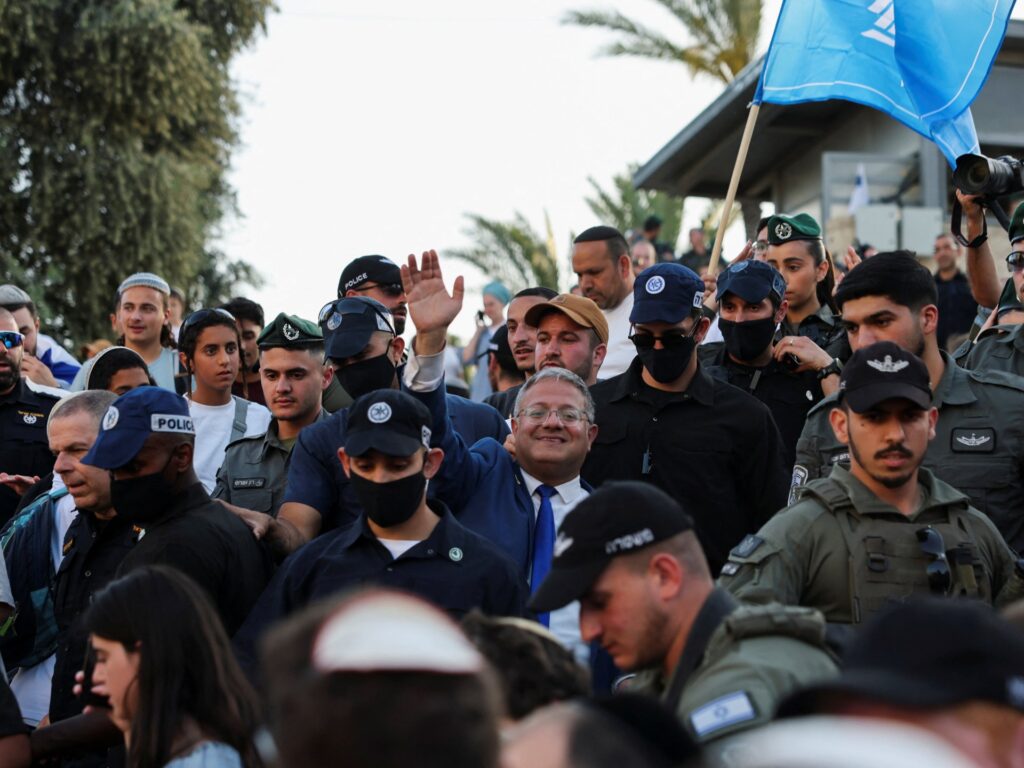
This week, the situation involving the Israeli authorities and Gaza aid activists has escalated, triggering widespread international condemnation and increasing domestic tensions in Israel. At the heart of the controversy is Itamar Ben-Gvir, Israel’s far-right National Security Minister, whose reported mistreatment of detainees from a Gaza-bound aid flotilla has drawn sharp criticism both locally and globally.
Ben-Gvir, known for his hardline stance on security matters, was accused of verbally abusing and intimidating the activists held after their vessels were intercepted while attempting to deliver humanitarian aid to Gaza. The flotilla aimed to challenge the Israeli blockade on Gaza, which has been a point of contention for years given the dire humanitarian needs in the territory. Videos and testimonies from the detainees have circulated, depicting harsh conditions and disrespectful treatment during their detention.
The backlash was immediate. Human rights organizations, international leaders, and activists condemned Ben-Gvir’s conduct as a violation of human rights and international law. Many viewed this as indicative of the broader issues surrounding Israel’s policy towards Gaza and the treatment of Palestinian civilians and international activists.
Amid the outrage, Israel’s President also stepped forward to condemn the increasing settler violence in the West Bank. His statement came as violent incidents by extremist settler groups have surged, contributing to rising tensions and undermining efforts toward peace. The president emphasized that such violence threatens Israel’s democratic values and stability and called for restraint and the enforcement of law by Israeli security forces.
International bodies have also weighed in, with some countries recalling ambassadors or issuing formal protests against Israel’s handling of the flotilla activists and escalating settler violence. The United Nations, through various spokespersons, reiterated calls for respect of Palestinian rights and urged both Israel and Palestinian factions to engage in dialogue to reduce tensions.
On the ground in Gaza, the blockade continues to severely limit the flow of goods and humanitarian supplies, compounding the hardships faced by residents. The flotilla incident has reignited debates over the legality and morality of the blockade, with renewed calls from international activists for it to be lifted.
Within Israel, the controversy has sparked heated political debates. Opposition parties criticized the government’s approach, portraying it as exacerbating the conflict and damaging Israel’s international standing. Supporters of Ben-Gvir defend his actions as part of maintaining national security and combating terrorism.
The flotilla activists who were detained are reportedly receiving legal support and medical care, but concerns remain about their treatment and the ongoing restrictions they face.
This week’s events highlight the deep divisions and complex dynamics at play in the Israeli-Palestinian conflict, emphasizing the urgent need for renewed diplomatic efforts and respect for human rights. The unfolding situation remains a critical test for all involved parties and the international community’s ability to influence positive change.