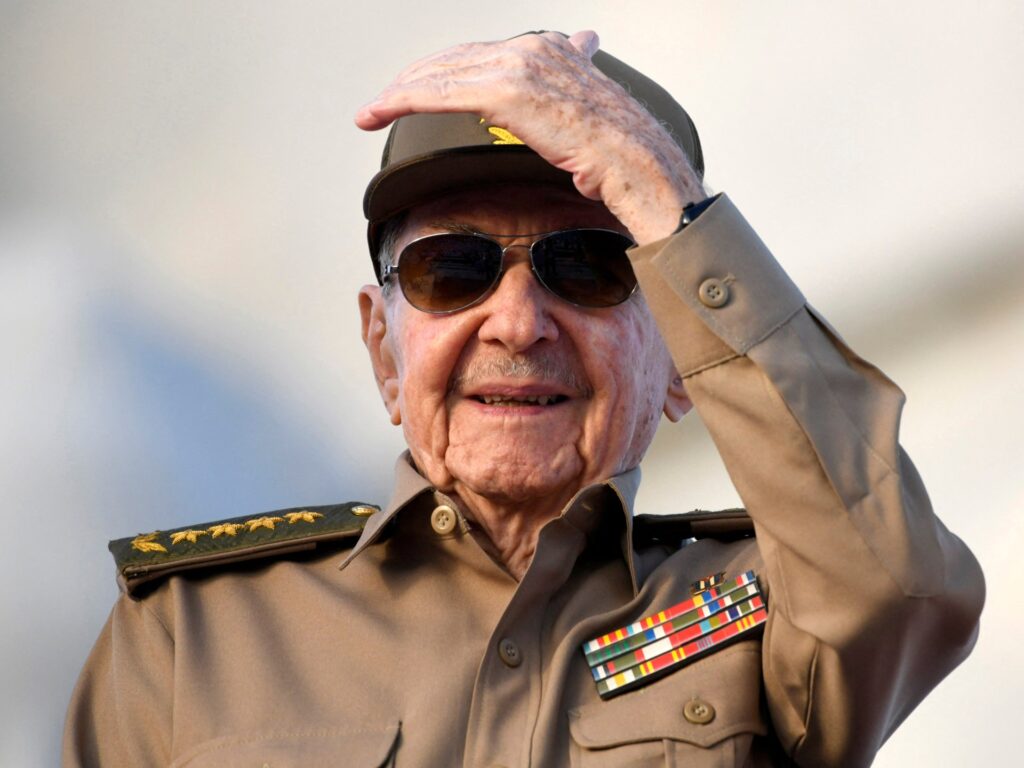
The Trump administration has taken a sharp turn in its approach to Cuba by indicting Raul Castro, the former Cuban leader, over a 1996 plane shootdown incident. This legal action represents one of the most aggressive escalations in the already tense relations between Washington and Havana.
The indictment accuses Raul Castro of being involved in the ordering of the shootdown of a small aircraft operated by Cuban exiles, which tragically resulted in the deaths of several passengers. The incident dates back to a time when tensions were extremely high between the United States and Cuba, reflecting longstanding conflicts stemming from political and ideological differences.
The 1996 plane shootdown occurred during a period of sustained hostility; the United States had maintained a strict embargo against Cuba since the early 1960s, and the two nations had no formal diplomatic relations. The act of shooting down the plane was widely condemned internationally and contributed to the isolation of Cuba on the world stage.
Raul Castro, as the then head of the Cuban armed forces and later president, has been held responsible by the U.S. government for this attack. The move to indict him during the Trump presidency underscores a broader strategy aimed at exerting pressure on the Cuban government through legal and diplomatic means.
The indictment is likely to heighten tensions significantly. It risks further deteriorating the fragile interactions between the two nations, which had shown some signs of thawing during the Obama administration through limited diplomatic engagement and the reopening of embassies.
Analysts suggest that this indictment could stall any progress made toward normalizing relations or even rollback the modest improvements achieved in recent years. The decision reflects the Trump administration’s hardline stance, signaling a return to a more adversarial policy toward Cuba.
The Cuban government has condemned the indictment as politically motivated and an attempt to distract from internal issues within the United States. Havana has vowed to reject the charges and continue its policies unaltered.
International reactions to the indictment have been mixed. Some countries view it as an important step towards justice for the victims, while others see it as a provocative act that undermines diplomatic efforts in the region.
This incident revisits the broader context of U.S.-Cuba relations, which have been fraught with mistrust, economic sanctions, and conflicting geopolitical interests for over half a century. From the Cold War to more recent attempts at détente, the relationship remains one of the most complex and sensitive in the Western Hemisphere.
The 1996 plane shootdown case remains a painful chapter in Cuban-American history, symbolizing the deep wounds caused by decades of hostility. The indictment of a former leader decades after the event illustrates the ongoing impact of historical grievances on contemporary politics.
As the situation develops, attention will focus on the legal proceedings and diplomatic responses, assessing their implications for regional stability and U.S. foreign policy objectives. The world watches closely as the Trump administration takes a firm legal stand that could reshape relations with Cuba for years to come.