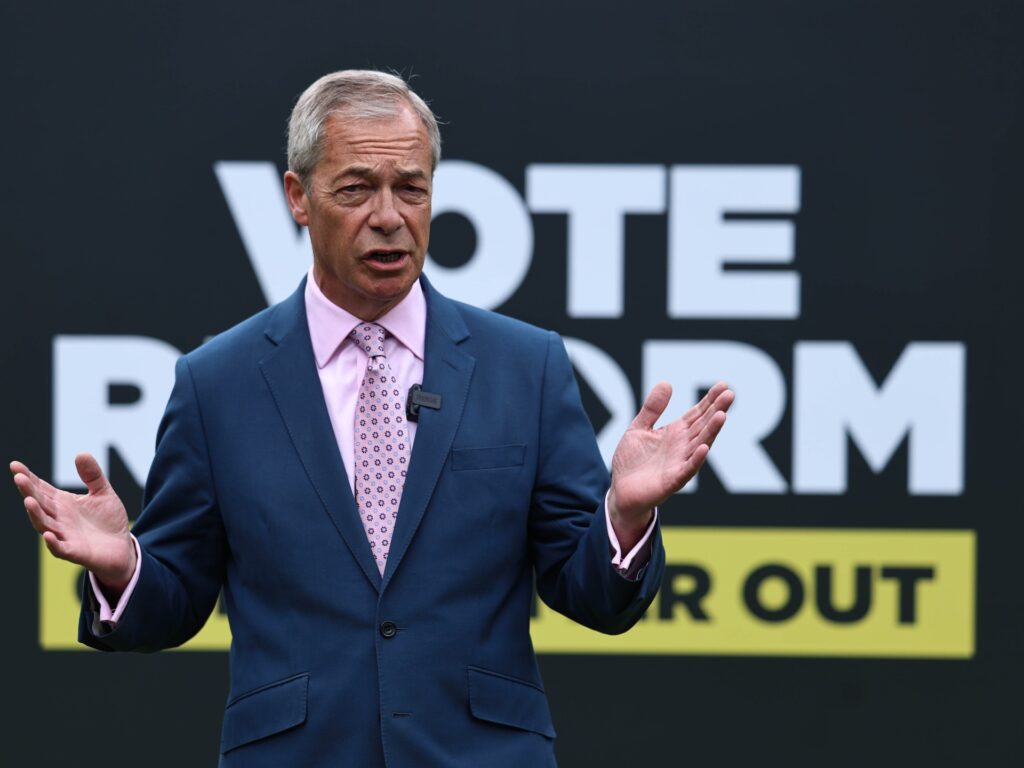
Nigel Farage, the leader of Reform UK and a prominent right-wing populist figure in British politics, is currently under parliamentary investigation concerning a substantial financial gift nearing $7 million. This probe has raised significant scrutiny, as it touches upon the standards and regulations governing conduct within the House of Commons.
The nearly $7 million gift in question has sparked concerns regarding the source of the funds, the intentions behind the donation, and whether proper declarations were made in accordance with parliamentary rules. Such large financial transactions must be transparent to uphold the integrity of public office and prevent conflicts of interest or undue influence.
If investigators conclude that Farage violated parliamentary protocols or laws, he could face serious consequences. One of the most significant potential penalties is suspension from the House of Commons. Such a suspension would bar him from participating in debates, voting, or other parliamentary activities for a set period, which would impact his political influence and the operations of Reform UK.
Farage’s leadership has been characterized by his outspoken criticism of establishment politics and his push for nationalist and populist policies. He has maintained a strong following among certain segments of the electorate, but this investigation could damage his reputation and political capital.
The investigation itself underscores the parliamentary commitment to ethical standards and accountability, emphasizing that all members, regardless of political affiliation, must adhere to stringent rules. Transparency in funding and donations is critical in preserving public trust in democratic institutions.
Experts note that such probes are essential in a healthy democracy as they deter improper conduct and ensure that elected representatives act in the public interest rather than personal or private financial gain.
Farage and his supporters have yet to issue a detailed public response to the allegations, but the unfolding situation is likely to dominate headlines and political discourse in the UK in the near term.
The parliamentary authorities are expected to complete their investigation promptly, with outcomes potentially shaping discussions about reforms in political funding regulations.
This case serves as a poignant reminder of the ongoing challenges faced by modern democracies in balancing political pluralism with rigorous oversight and transparency in the age of large-scale financial influences.