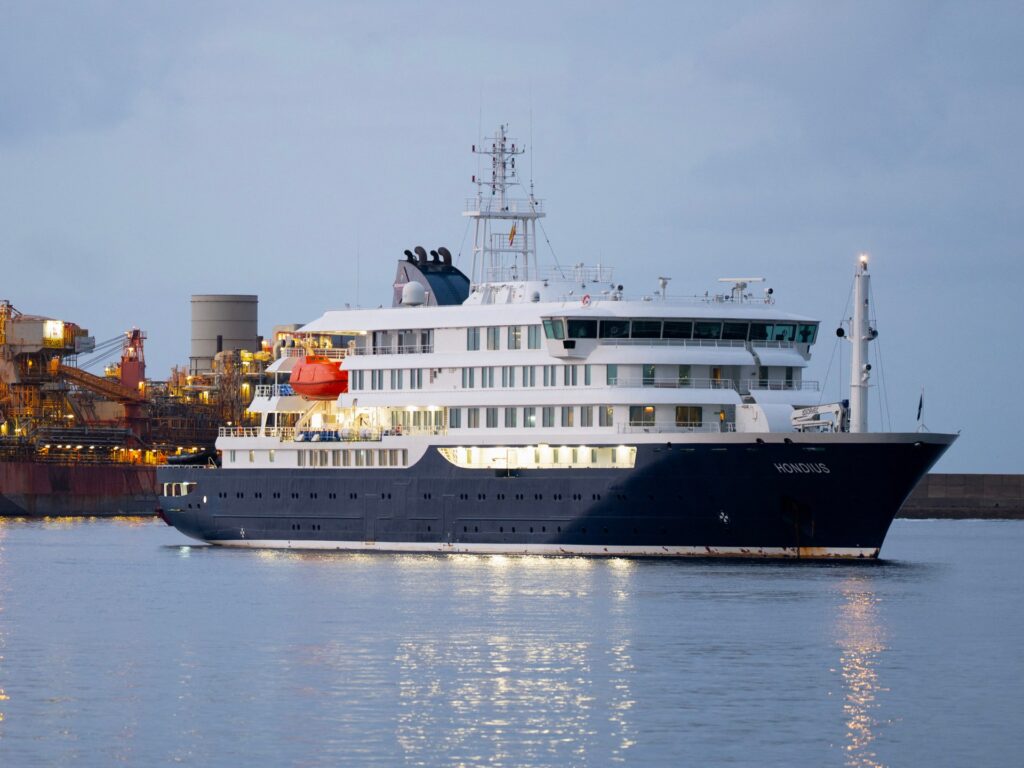
A cruise ship affected by a hantavirus outbreak has docked in the Canary Islands, where passengers began disembarking under close health monitoring. Hantavirus, a rare but potentially serious viral infection, is primarily spread through contact with rodent droppings, urine, or saliva, though in very rare cases it may be transmitted from person to person.
The Canary Islands health authorities and the cruise line have taken swift action to contain any potential spread of the virus. Passengers were screened for symptoms such as fever, muscle aches, and respiratory issues, which are common indicators of hantavirus infection. Medical teams remain on alert to respond to any emerging cases.
Hantavirus pulmonary syndrome (HPS), the severe respiratory disease caused by hantavirus, often begins with flu-like symptoms but can quickly worsen into severe breathing difficulties. While human-to-human transmission is exceedingly rare, the health protocols on the cruise ship and in the port area have been heightened out of caution.
The cruise ship reportedly had sightings and activity of rodents onboard, believed to be the source of the outbreak. Rodents can carry the virus without appearing ill, complicating efforts to fully prevent exposure in enclosed environments such as cruise ships.
Authorities in the Canary Islands are collaborating with epidemiologists and infectious disease specialists to trace contacts and monitor the health of all disembarked passengers. Quarantine measures are in place for those showing symptoms or who had close contact with confirmed cases.
Travel experts emphasize the importance of hygiene and vigilance on cruise ships, especially in preventing exposure to rodent habitats or droppings. Typically, hantavirus infections are confined to rural or wilderness areas, but outbreaks on cruise ships underscore the need for stringent pest control and rapid response strategies.
Passengers and crew members have been advised to report any symptoms promptly and avoid close contact with others if feeling unwell. The cruise line has also committed to an extensive cleaning and rodent control program before resuming operations.
As investigations continue, the Canary Islands aim to balance public health safety with the economic importance of cruise tourism, which is a key component of the local economy. Meanwhile, healthcare professionals are urging the public not to panic but to stay informed and follow public health guidelines.
This incident serves as a reminder of the potential risks posed by zoonotic diseases, which can transfer from animals to humans under specific conditions. Increased awareness and preparedness remain critical to managing such outbreaks effectively.