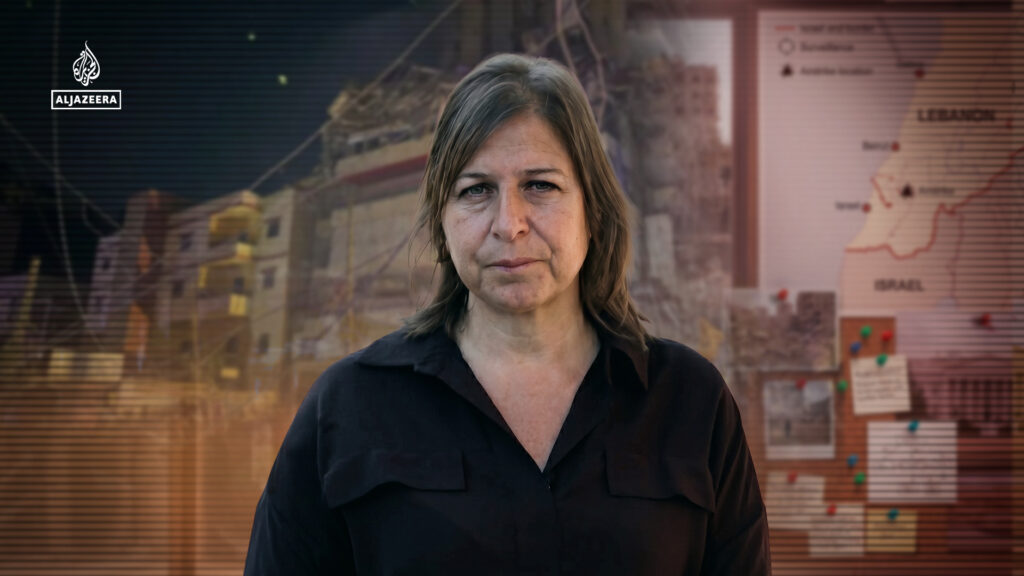
In a significant escalation of tensions in the region, Israel conducted its first airstrike on the southern suburbs of Beirut, Lebanon, since the ceasefire brokered by the United States took effect on April 16. This recent military action marks a stark violation of the truce aimed at stabilizing the volatile area.
The ceasefire, agreed upon after weeks of intense conflict, was expected to halt hostilities and open pathways for diplomatic resolution. However, the airstrike has raised concerns among international observers and the Lebanese government, signaling a potential breakdown in the fragile peace process.
The targeted area in Beirut has historically been a hotspot for confrontations between Israeli forces and militant groups operating in Lebanon. The recent strike has caused alarm and uncertainty among civilians living in the suburbs, many of whom are still recovering from previous conflicts.
Israeli officials have not yet released a detailed statement explaining the rationale behind this specific airstrike. Nevertheless, analysts suggest it may be a response to perceived threats or intelligence indicating hostile activities against Israeli security interests.
The Lebanese government condemned the airstrike as a breach of its sovereignty and called for immediate international intervention to prevent further escalations. UN representatives and global diplomatic communities have also expressed deep concern over the developments and urged both parties to adhere strictly to the ceasefire terms.
This incident underscores the complexities and fragilities involved in maintaining peace in regions with longstanding disputes and periodic outbreaks of violence. The international community now faces the challenge of reinforcing diplomatic efforts to ensure that the ceasefire holds and further dialogue takes precedence over military action.
As the situation develops, residents of Beirut’s southern suburbs remain anxious, with many calling for increased protection and support amid fears of renewed conflict. Humanitarian agencies have also started preparing to respond to potential emergencies resulting from any increase in hostilities.
The coming days will be critical in determining the future course of peace and security in Lebanon and the broader Middle East. Continued monitoring and proactive diplomatic engagement will be vital to prevent a descent back into widespread violence and instability.