In a significant development in Bolivia, police forces fired tear gas at groups of protesting teachers in the capital city, La Paz. The event marked the culmination of tensions as three separate groups of educators rallied to voice their opposition to the government’s policies. The protests illustrate growing unrest among the teaching community regarding education reforms and other governmental measures.
The protests originated as teachers expressed dissatisfaction with the current administration’s approach to education. Demonstrators demanded improvements in salaries, working conditions, and the implementation of policies that address educational quality and access. The gatherings took place in prominent locations across La Paz, drawing considerable attention locally and internationally.
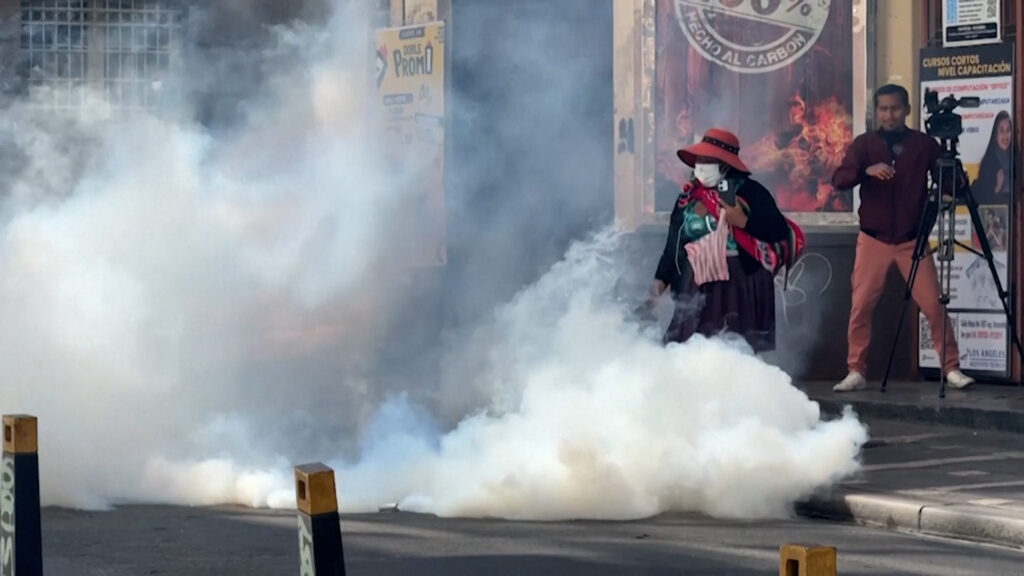
Authorities responded by deploying police units equipped with tear gas in an effort to disperse the crowds and restore order. Eyewitnesses reported chaotic scenes as protesters struggled against the tear gas, some seeking safety in nearby buildings and others retreating amid the aggressive police action. Several demonstrators sustained minor injuries, while no fatalities were reported.
The government’s stance emphasized the need to maintain public order and protect citizens’ safety during the demonstrations. Officials indicated that while they respect the right to protest, unlawful blockades and disruptions cannot be tolerated. The police action was described as a measure to prevent escalation and ensure free movement within the city.
Human rights organizations and opposition leaders have condemned the use of tear gas, calling for peaceful dialogue and negotiation with the teachers. They warned against excessive use of force and urged the government to address the root causes of the unrest through constructive engagement.
The Bolivian teachers’ latest protests are part of a broader pattern of social discontent affecting several sectors across the country. Economic difficulties, coupled with political challenges, continue to fuel strikes and demonstrations, reflecting widespread demands for reform and better governance.
International observers have urged all parties to exercise restraint and prioritize solutions that uphold democratic principles and human rights. The situation remains fluid, with ongoing talks anticipated between government representatives and teacher unions aimed at reaching a mutually acceptable resolution.
As the Bolivian government navigates these challenges, many citizens hope for a swift end to the conflict and the establishment of a more inclusive and effective education system. The protests underscore the critical importance of education in Bolivia’s social and political landscape, emphasizing the need for dialogue, understanding, and peaceful means to resolve disputes.