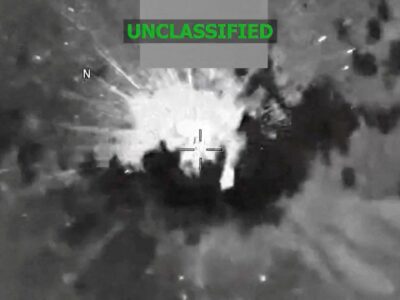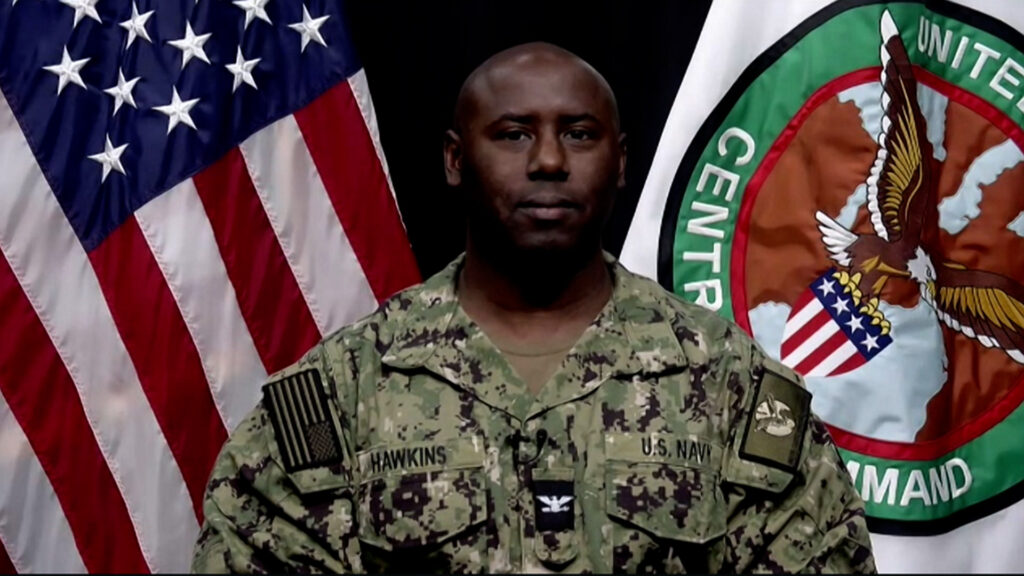
The United States Central Command (CENTCOM) has emphasized the critical importance of securing a ‘safe path’ through the Strait of Hormuz as a primary objective within its strategic initiative dubbed ‘Project Freedom.’ This focus was highlighted by CENTCOM spokesman Tim Hawkins, who outlined the main priorities in the region: ensuring safe navigation routes and implementing a blockade against Iranian maritime activities that threaten regional security.
The Strait of Hormuz is a vital chokepoint for global oil transportation, linking the Persian Gulf with the Gulf of Oman and the Arabian Sea. Given its strategic significance, the U.S. military has long maintained a presence in the region to safeguard the free flow of commercial shipping and energy supplies. Recent escalation of tensions between Iran and the United States has prompted intensified operations under Project Freedom, aimed at countering Iranian aggression and securing maritime traffic.
According to Hawkins, the ‘safe path’ initiative is about both protecting commercial vessels and allowing military and allied ships to transit this narrow waterway without conflict or interference. This involves coordinated patrols, heightened surveillance, and cooperative engagements with regional partners. The strategy also includes a maritime blockade targeting Iranian forces that violate international norms or threaten the freedom of navigation.
The blockade aims to prevent Iran from disrupting shipping lanes or using maritime routes for hostile actions. CENTCOM’s approach is designed to deter Iran from aggressive maneuvers while minimizing escalation risks that could destabilize the already fragile regional security environment.
Project Freedom represents a broader U.S. commitment to maintaining stability in the Gulf region amid ongoing geopolitical tensions. The emphasis on securing a safe path through Hormuz reflects a pragmatic approach to safeguarding global energy supplies and ensuring open access to international waters.
Experts note that the Strait of Hormuz has long been a flashpoint due to its strategic location and the presence of competing military interests. The U.S. strategy under Project Freedom stresses a balance between assertiveness and diplomacy, with operations tailored to reinforce maritime security without provoking direct confrontation.
CENTCOM’s spokesman reaffirmed that the U.S. remains committed to upholding international maritime law and protecting shipping freedom in accordance with global standards. The emphasis on safe navigation corridors aims to reassure commercial operators and international partners of a stable and secure maritime environment.
In conclusion, the U.S. Central Command’s Project Freedom underlines the strategic importance of the Strait of Hormuz by prioritizing safe passage and implementing a calculated blockade against Iranian threats. This initiative reflects a comprehensive and measured approach to ensure uninterrupted maritime commerce and regional security in one of the world’s most critical waterways.