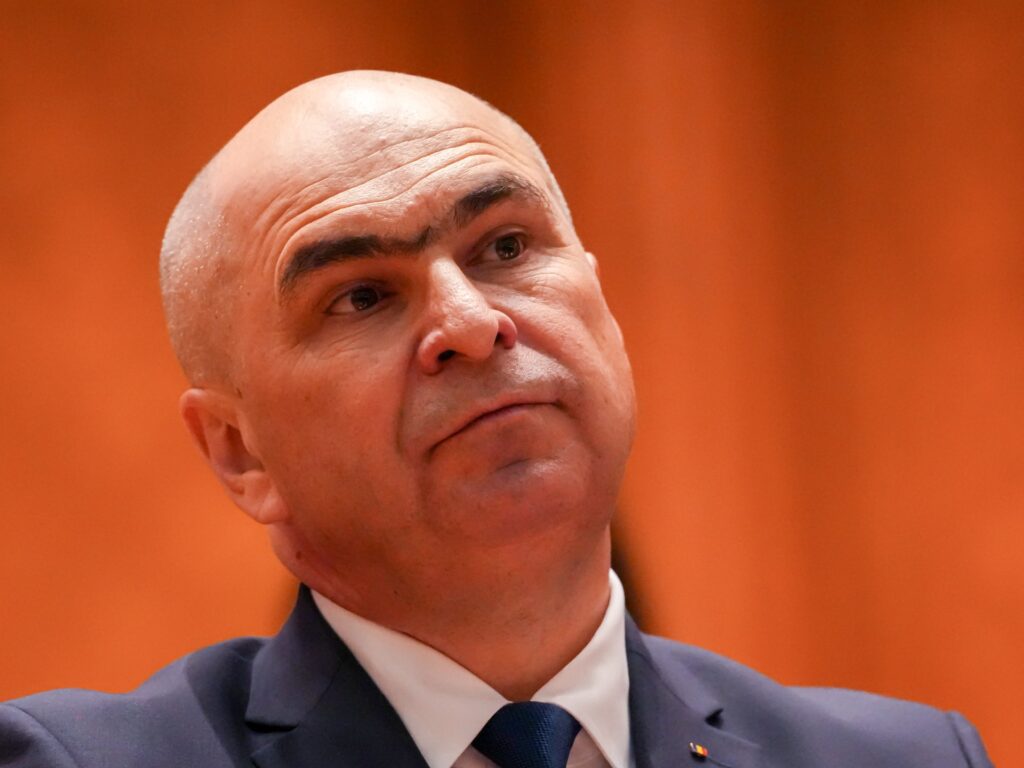
In a significant political upheaval, the government led by Romanian Prime Minister Ilie Bolojan has been toppled following a successful no-confidence vote. This event marks a critical point in Romania’s political landscape, signaling possible changes and uncertainties ahead.
The no-confidence vote, a key parliamentary mechanism designed to check the ruling government’s authority, resulted in the ousting of Bolojan’s administration. Details on the voting process reveal that a majority of the parliamentarians voted against the government, expressing dissatisfaction with the current administration’s policies and governance.
Ilie Bolojan, who had been at the helm of Romania’s government, faced growing opposition from various political factions due to his administration’s handling of economic policies, social reforms, and other critical national issues. His government, which had been in power for a period marked by both achievements and controversies, now faces the consequence of losing parliamentary support.
The fallout from this vote is expected to trigger a period of political negotiation and realignment as Romanian political parties seek to form a new government. Until a new leadership is established, the country may experience a caretaker government scenario or a transitional administration to ensure continuity.
Political analysts suggest that the no-confidence vote reflects broader public sentiment regarding dissatisfaction with the government’s performance. Key issues cited include economic challenges, public sector management, and ongoing reform efforts which some parliamentarians felt were inadequately addressed.
Ilie Bolojan’s government had implemented several policy measures aimed at stimulating economic growth and improving public services. However, opposition leaders and some members within the ruling coalition criticized these efforts as ineffective or insufficient.
International observers and Romania’s allies are closely monitoring the situation, keen to see a stable and effective government emerge promptly to maintain the country’s commitments on both domestic and international fronts.
The constitutional process in Romania dictates that following such a vote, the president will play a crucial role in consultations with political parties to appoint a new prime minister. This development period is critical and could either lead to new elections or the formation of a coalition government.
Bolojan himself has yet to issue a detailed response to the vote, though initial statements suggest he respects the parliamentary decision and emphasizes the need for political stability moving forward.
In summary, the no-confidence vote that toppled Romania’s Prime Minister Ilie Bolojan’s government indicates a turbulent political season ahead for the country, emphasizing the dynamic nature of democratic governance and the importance of parliamentary support in executing governmental policies.