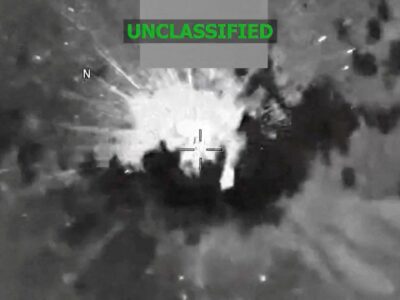
The international community has expressed widespread condemnation following a series of attacks launched by Iran on the United Arab Emirates (UAE), which many view as a dangerous escalation in an already volatile region. Neighboring Gulf countries including Saudi Arabia, Qatar, Kuwait, and Bahrain have swiftly denounced the strikes, underscoring regional solidarity and the urgency of de-escalating tensions.
The attacks on the UAE have triggered alarm across diplomatic circles worldwide, with several governments voicing concerns over the potential for broader conflict. Germany, the United Kingdom, and Canada have called on Iran to cease its aggressive actions and return promptly to diplomatic negotiations aimed at resolving ongoing disputes peacefully.
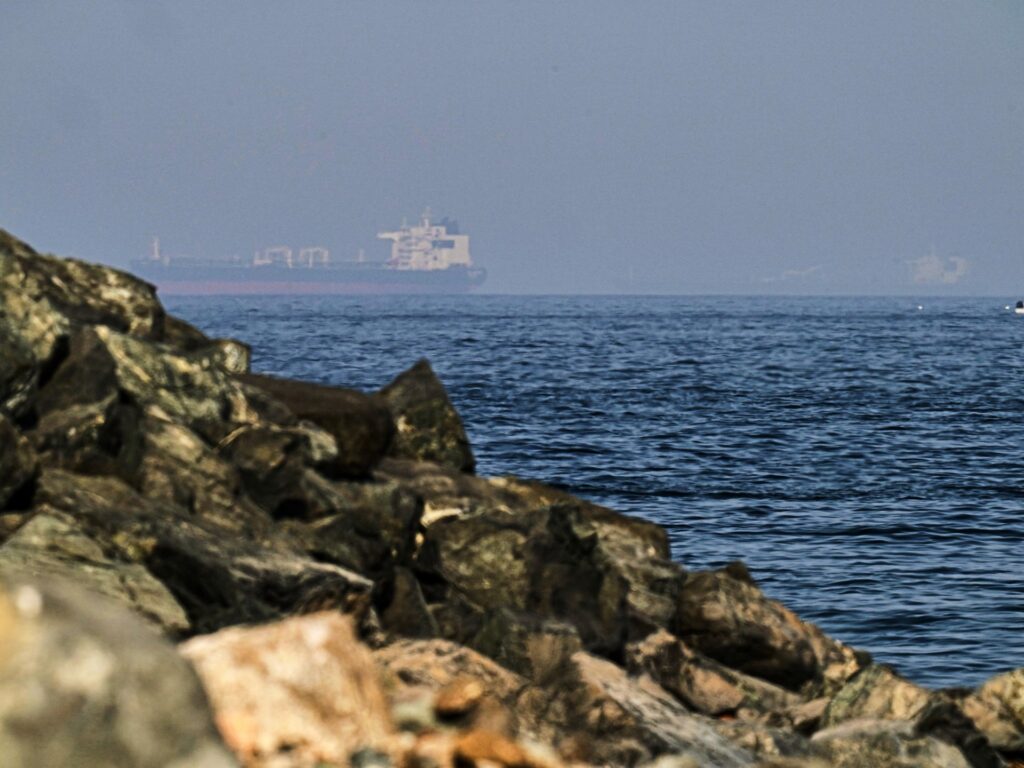
Experts warn that these recent events mark a significant escalation in Iran’s regional activities, threatening to destabilize the Gulf and disrupt international shipping lanes essential to global trade and energy supplies. The attacks reportedly targeted critical infrastructure within the UAE, raising fears about the vulnerability of key economic hubs to military hostilities.
Saudi Arabia, a key player in the Gulf Cooperation Council (GCC), issued a strong rebuke against Iran’s actions, describing them as unacceptable provocations that undermine regional security. Qatar, Kuwait, and Bahrain echoed these sentiments, emphasizing the need for collective regional efforts to de-escalate tensions and promote stability.
Western countries have also stepped up their diplomatic efforts. Germany, the UK, and Canada jointly urged Iran to engage constructively in international talks, including those related to its nuclear program and regional conduct. They highlighted that peaceful dialogue remains the only sustainable path forward to prevent further conflict and achieve long-term security in the Middle East.
The United Nations has also called for restraint and emphasized the importance of respecting international law and sovereignty, warning that continued escalation could have far-reaching consequences for global peace.
The crisis adds to a complex mosaic of geopolitical tensions in the Middle East, where proxy conflicts, ideological divides, and competing national interests persistently threaten stability. Analysts believe addressing these challenges will require not only immediate de-escalation but also a renewed commitment to inclusive regional dialogue.
In the wake of the attacks, humanitarian concerns have also been raised, particularly regarding the safety of civilians and the potential for displacement if hostilities intensify. International aid organizations are monitoring the situation closely, prepared to respond should the security environment deteriorate further.
As the world watches anxiously, the call for diplomatic engagement grows stronger. Iran faces increased pressure to pull back from aggressive posturing and work with the international community towards a peaceful resolution. Meanwhile, the UAE and its Gulf neighbors remain vigilant, preparing to defend their sovereignty and security amid rising uncertainties.
This incident serves as a stark reminder of the fragile state of peace in the Middle East and the urgent need for concerted global efforts to foster dialogue, reduce tensions, and prevent further dangerous escalations that could lead to wider conflict.