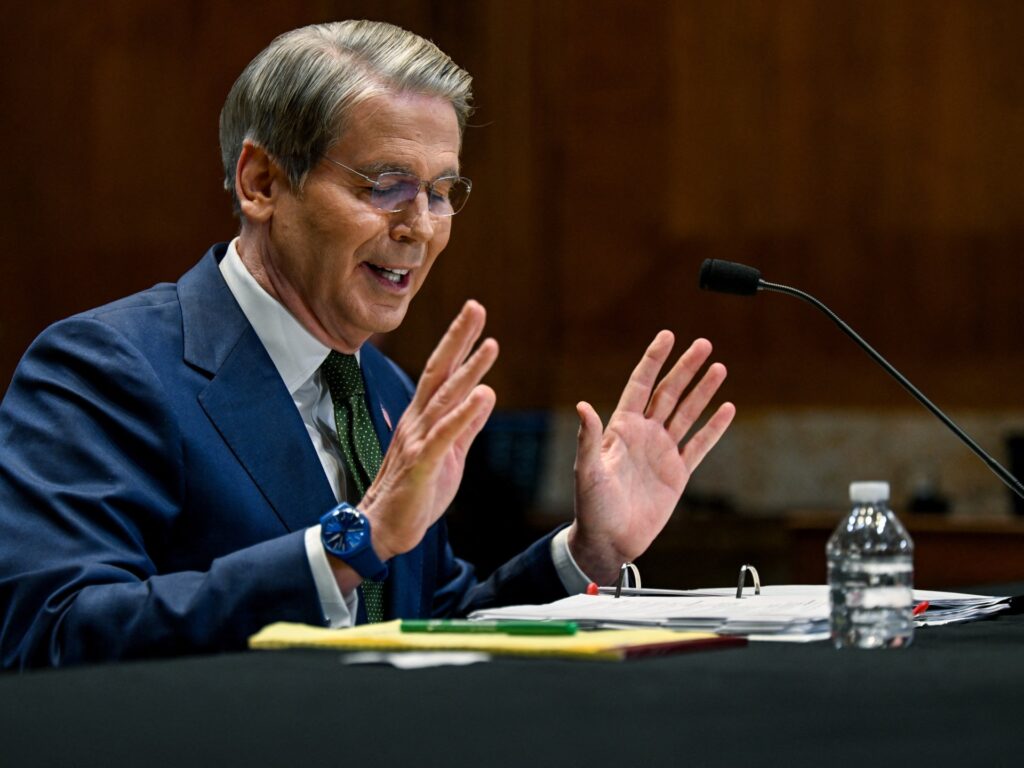
A high-ranking U.S. official, Scott Bessent, recently accused China of “funding” Iran, heightening tensions amid ongoing geopolitical struggles in the Middle East. Bessent emphasized the critical importance of the Strait of Hormuz, a vital waterway through which a significant portion of the world’s oil supply transits. He asserted that the United States maintains “absolute control” over the Strait but called on China to play a more proactive diplomatic role in reopening it.
The Strait of Hormuz has long been a focal point of regional conflict and international concern due to its strategic significance. Iran has periodically threatened to close the strait in response to sanctions and other geopolitical pressures, prompting fears of a disruption in global oil supplies. The U.S. military presence in the region aims to ensure the navigability and security of the waterway.
Bessent’s comments reflect a broader call for greater international cooperation amid the complex dynamics involving Iran, China, and the United States. While the U.S. asserts control and responsibility for the security of Hormuz, it acknowledges that lasting peace and security require the engagement of all major powers with vested interests in the region.
The accusation that China is financially supporting Iran adds another layer of complexity to Sino-American relations, especially as China has sought to expand its influence in the Middle East through trade and strategic partnerships. Washington’s appeal to Beijing to “step up” diplomatically is an attempt to leverage China’s economic ties with Tehran to encourage restraint and stability.
Experts note that the reopening and security of the Strait of Hormuz are critical not only for regional actors but for the global economy, given the volume of crude oil transported through this narrow passage. Any prolonged closure or disruption can cause considerable volatility in oil markets and have far-reaching economic consequences worldwide.
Diplomatic efforts involving multiple international stakeholders may pave the way for easing tensions. However, the challenge remains substantial given the historical distrust and competing interests of the involved nations.
In conclusion, Scott Bessent’s statements highlight the intricate geopolitical webs involving the U.S., China, and Iran. The call for Beijing to engage diplomatically while navigating accusations of funding Iran underscores the urgency for comprehensive international cooperation to secure the Strait of Hormuz, maintain regional stability, and ensure the smooth functioning of global energy supply chains.