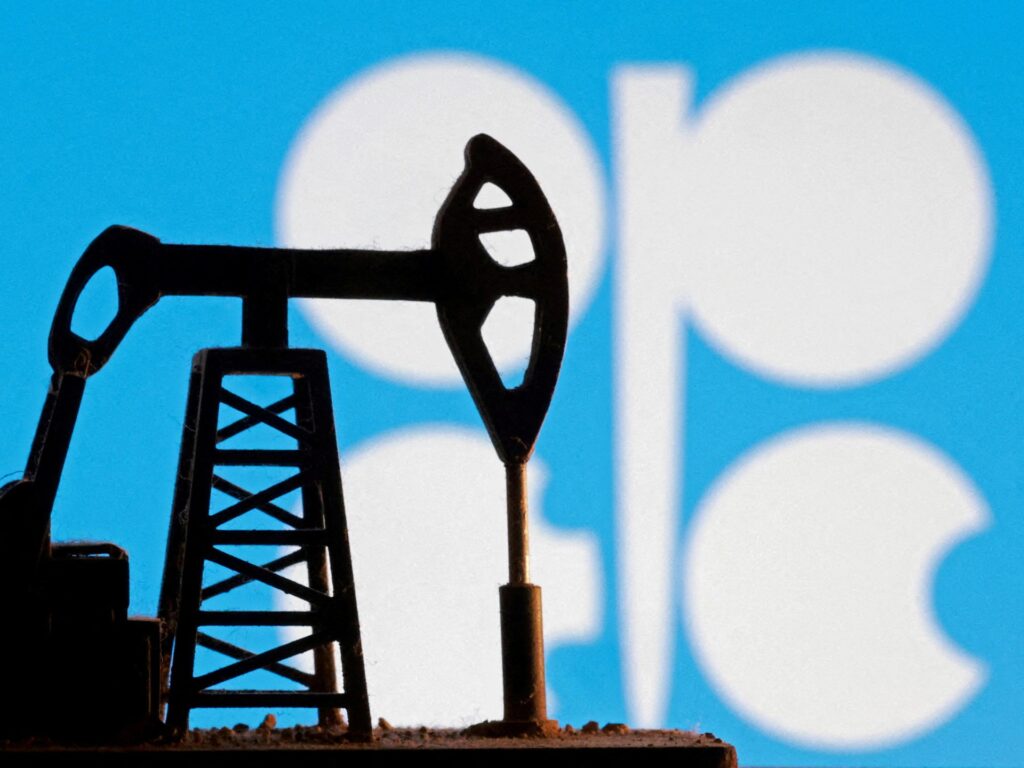
In a strategic yet symbolic move, OPEC+ revealed that seven of its major oil-producing members will increase their total production quota by 188,000 barrels per day for the month of June. This decision comes at a critical time when the Strait of Hormuz, a vital global oil transit chokepoint, is facing closure, impacting international oil logistics and market dynamics.
The production increase, while modest in scale compared to the global oil market’s vast consumption needs, signals OPEC+’s awareness of current geopolitical and economic pressures. The Strait of Hormuz remains one of the world’s most crucial arteries for oil transportation, with an estimated one-fifth of the world’s petroleum passing through its waters. Closure or disruptions in this region can lead to significant fluctuations in oil prices and supply security.
By raising output, OPEC+ aims to mitigate the potential supply shortages caused by the closure, reassuring the market and stakeholders about their role in maintaining oil market stability. The group, composed mainly of OPEC members alongside allied non-OPEC oil producers, balances production to manage oil price volatility and support producer revenues.
The decision to increase production by 188,000 barrels per day was agreed upon by seven major producers within the alliance. This increment, though seemingly small, might ease some strain on global oil supply chains, considering the complications arising from the regional tensions.
The OPEC+ coalition has historically played a pivotal role in stabilizing global oil markets through coordinated production policies. Their actions are closely watched by governments, investors, and industry players as they often influence oil price trends.
Market analysts suggest that the symbolic nature of this output rise reflects cautious optimism. On the one hand, it addresses the immediate concern of supply disruption. On the other hand, it avoids flooding the market at a time when demand remains uncertain due to ongoing economic challenges worldwide.
The closure of the Strait of Hormuz underscores the vulnerability of global energy infrastructure to geopolitical risks. It has prompted many countries to reassess their energy security strategies, including diversification of supply routes and increased strategic reserves.
OPEC+’s move could also be seen as a message of strength and cooperation amid volatile conditions. By presenting a united front, the alliance emphasizes its capacity to adapt and respond to external shocks impacting the energy sector.
This temporary production rise will be closely monitored in the coming weeks to assess its impact on oil prices and supply availability. Stakeholders will watch for further adjustments depending on the evolving geopolitical landscape and the status of the Strait of Hormuz closure.
In conclusion, OPEC+ has taken a careful but strategic step forward by increasing oil output slightly amidst the heightened risks of supply disruption through the Strait of Hormuz. While symbolic, this action aims to bolster confidence in the oil market’s resilience and demonstrates the alliance’s commitment to balancing supply with global demand considerations during turbulent times.