As the Iran war enters its 58th day, the conflict shows no signs of resolution, with negotiations between Tehran and Washington at an impasse. The tense situation escalated further amid reports of dwindling diplomatic efforts and renewed hostilities.
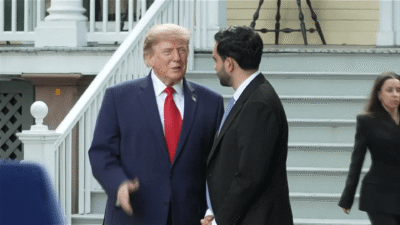
A significant setback occurred recently when former President Donald Trump abruptly canceled a scheduled trip to Pakistan by his envoys. This unanticipated move has been widely interpreted as a blow to the ongoing attempts to mediate peace and de-escalate tensions in the region.
The background to these stalled talks involves a complex web of strategic, political, and ideological disagreements between Iran and the United States. Despite multiple rounds of indirect negotiations, both sides have failed to bridge critical gaps on issues such as nuclear program constraints, economic sanctions, and regional security concerns.
Tehran maintains that its nuclear program is for peaceful purposes, demanding relief from crippling sanctions that strangulate its economy. Conversely, Washington insists on stringent verification mechanisms and restrictions to prevent any military dimensions.
The cancellation of the envoy trip has sparked apprehension among international observers who had hoped Pakistan—an influential neighborhood state—might facilitate dialogue. Pakistan’s strategic position, bordering Iran and holding ties with the U.S., made it a potentially effective intermediary.
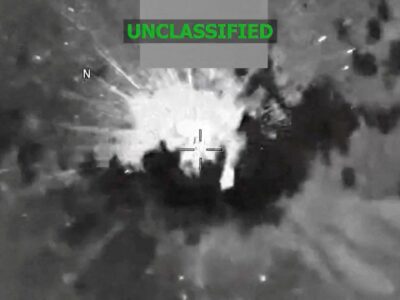
Meanwhile, on the ground, clashes and military skirmishes continue to disrupt civilian life and cause casualties. Both Iranian forces and allied groups, alongside U.S.-aligned entities, have been engaged in sporadic confrontations, exacerbating the humanitarian crisis.
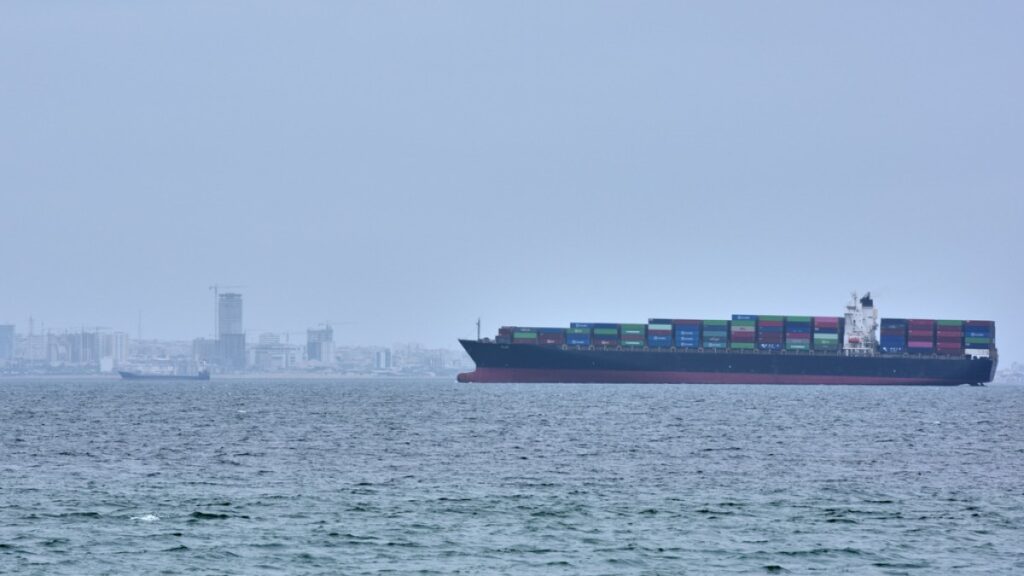
The international community remains deeply concerned as the lack of progress threatens regional stability and global energy markets, given Iran’s role as a major oil supplier.
Diplomatic sources reveal that new proposals for dialogue were under preparation before the envoy trip cancellation, suggesting hopes for a breakthrough existed until the last moment.
Experts caution that without renewed diplomatic engagements, the conflict risks intensifying further, potentially drawing in neighboring countries and destabilizing the broader Middle East.
The Day 58 stalemate underscores the urgent need for sustained, credible negotiations. It emphasizes the leverage both sides hold in either prolonging conflict or forging peace.
As of now, no official statement has clarified the reasons behind the trip cancellation, fueling speculation about internal disagreements and external pressures influencing the decision.
In summary, the Iran war on its 58th day is marked by halted Tehran-Washington talks, a critical diplomatic setback with Trump’s cancellation of the envoy trip to Pakistan, ongoing military clashes, and a precarious geopolitical situation that demands urgent international attention and action.