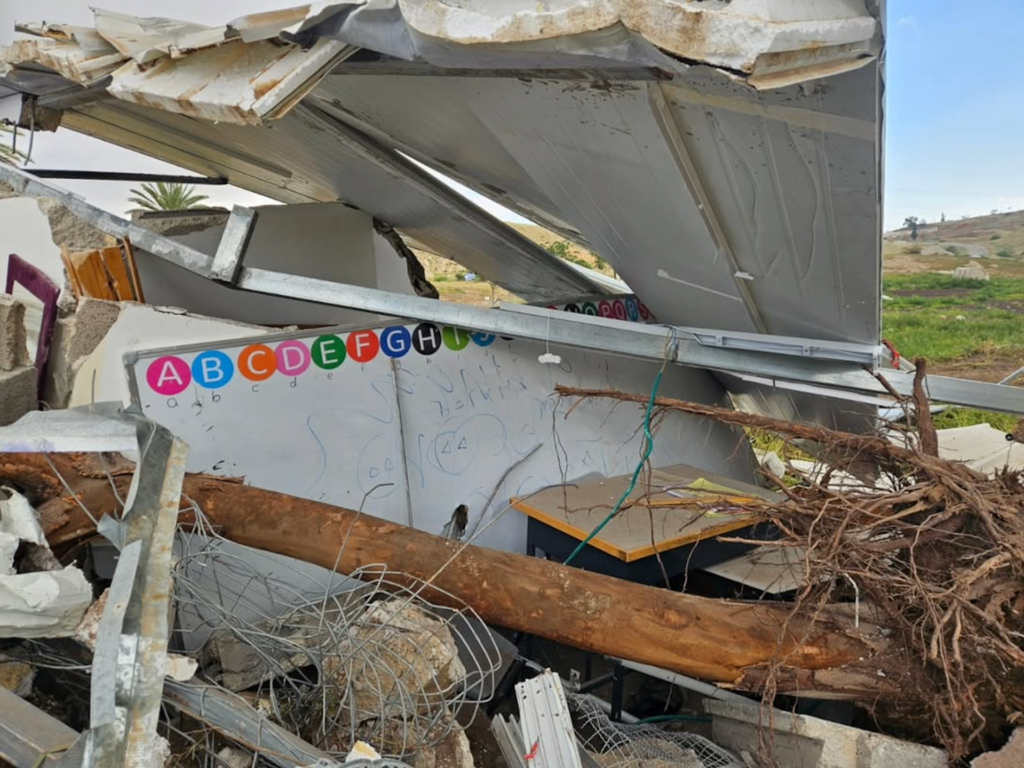
Ireland has announced plans to demand that Israeli authorities reimburse the costs associated with the demolition of a Palestinian school by Israeli settlers. This move comes amid increasing tensions and frequent confrontations in the region, highlighting the disputed nature of settlements and the ongoing conflict between Israelis and Palestinians.
The demolished school served as an educational facility for the local Palestinian community, providing essential learning opportunities in an area marked by instability and limited resources. The decision by settlers to destroy this institution has drawn widespread condemnation from multiple international actors, emphasizing the detrimental impact such actions have on Palestinian civilians.
Ireland’s demand underscores its commitment to supporting Palestinian rights and addressing what it views as unjust practices carried out under the complex and contentious conditions in the Israeli-occupied territories. The cost repayment request symbolically represents a call for accountability and restitution for damage inflicted on Palestinian infrastructure.
Diplomatic channels have been activated as Ireland formally raises concerns with Israeli officials, seeking restitution as a means to address not only the financial costs but also the broader implications of settlement expansion and settler violence. Ireland’s government maintains that the demolition violates international laws and agreements aimed at protecting the rights and wellbeing of Palestinian residents.
This incident is part of a larger pattern of settler-related actions that have consistently drawn international criticism. Israeli settlers, often supported or tolerated by certain factions within the Israeli government, have been involved in numerous disputes over land ownership, construction, and demolition activities affecting Palestinian communities.
The situation on the ground remains volatile, with frequent clashes between settlers, Palestinians, and Israeli security forces. Educational facilities remain vulnerable, and the destruction of schools poses a significant barrier to Palestinian youth accessing consistent education, contributing to long-term social and economic disadvantages.
Ireland’s stance aligns with broader international efforts to hold parties accountable for actions that exacerbate the conflict and undermine peace efforts. The demand for repayment also serves to raise awareness about the ongoing hardships faced by Palestinian communities under occupation.
Analysts suggest that Ireland’s insistence on financial responsibility from Israeli authorities could influence other countries or international institutions to adopt similar positions, potentially increasing pressure on Israel to reconsider policies allowing or enabling such demolitions.
The Palestinian leadership has welcomed Ireland’s move as a rare example of tangible support and solidarity from a European nation, hopeful that it could lead to more substantial international measures to protect Palestinian rights and property.
The road ahead remains uncertain, as Israeli authorities have historically resisted external demands regarding settlement activities. However, Ireland’s firm position signals a willingness to engage in diplomatic and possibly legal avenues to seek justice and protect vulnerable communities.
This development is expected to be closely monitored by both sides of the conflict, international observers, and human rights organizations, as it highlights ongoing challenges and the complex dynamics surrounding settlements, education, and human rights in the region.
As the situation evolves, further diplomatic engagement, potential negotiations, and international advocacy will be critical in addressing the repercussions of the school’s demolition and preventing similar actions in the future.