Tensions in the Middle East have escalated following recent statements from Iran and the United States concerning the ongoing conflict in the Strait of Hormuz. Tehran has firmly rejected any talks under coercive conditions, emphasizing it will not engage in negotiations ‘under the shadow of threats.’
This declaration comes amid heightened military and political tensions in the strategic waterway, which is crucial for global oil transportation. Iran’s leadership stressed that any dialogue must be free of intimidation and respect its national sovereignty.
On the other side, former U.S. President Donald Trump has publicly asserted that the blockade of the Strait of Hormuz will persist. This move is seen by many as a significant factor contributing to regional instability, as the Strait is a vital passage for international energy supplies.
The blockade and Iran’s refusal to negotiate under pressure reflect the deep-rooted mistrust between the two nations. The situation has alarmed global powers concerned about the potential for broader conflict and the impact on global oil markets.
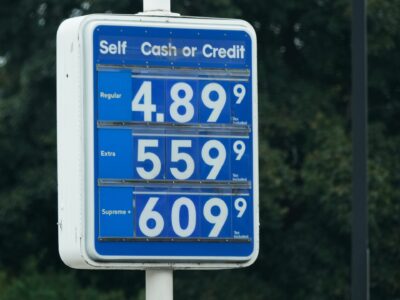
Experts note that the continuation of the blockade could disrupt the supply chain, leading to increased oil prices and economic repercussions worldwide. The international community has called for restraint and diplomatic efforts to ease tensions.
Iran’s stance highlights its determination to resist external pressures and avoid yielding to demands perceived as aggressive or unjust. Meanwhile, the U.S.’s hardline approach suggests a strategy aimed at exerting maximum pressure on Iran.
The Strait of Hormuz remains a flashpoint in Middle Eastern geopolitics. With thousands of barrels of oil passing through daily, any conflict could have far-reaching consequences beyond the immediate region.
In conclusion, the current impasse between Iran and the United States over the Strait of Hormuz blockade underscores the fragile state of peace and the urgent need for a diplomatic resolution. Both sides face a critical choice between escalation and dialogue, with the world’s energy security hanging in the balance.