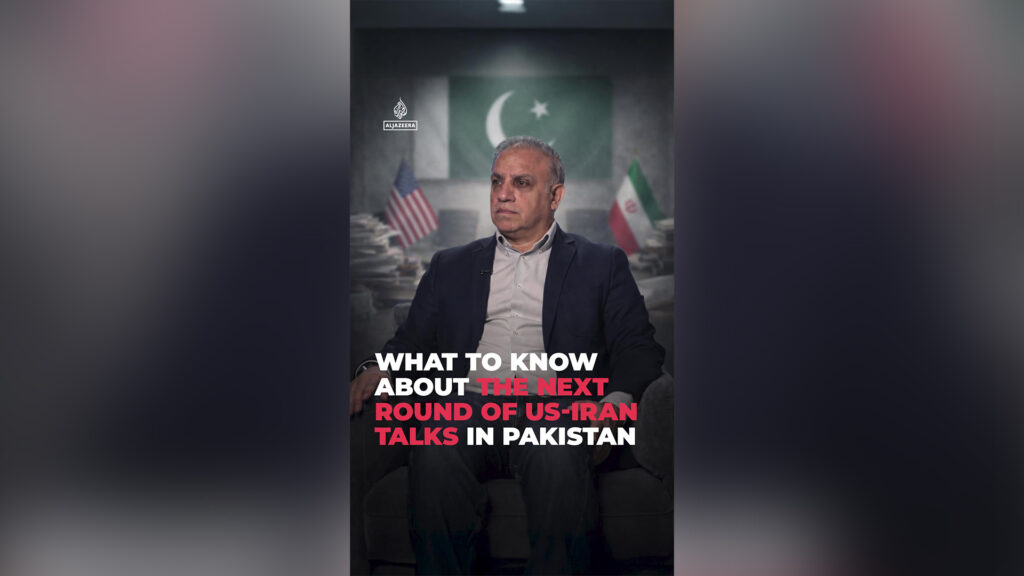
The upcoming round of US-Iran talks, scheduled to take place in Pakistan, has captured significant international attention. These direct discussions are crucial, given the complex and often tense relations between the two countries. The meeting, set for Tuesday, is expected to address contentious issues including nuclear commitments, regional security, and economic sanctions.
The backdrop to these talks involves years of strained diplomatic relations, punctuated by moments of negotiation and confrontation. The US has consistently sought to curtail Iran’s nuclear program while addressing concerns about Iran’s involvement in regional conflicts. Iran, on the other hand, seeks relief from crippling sanctions and recognition of its sovereignty.
Pakistan’s role as the host country underscores its strategic position in regional geopolitics, appearing as a neutral ground for these high-stakes negotiations. The choice of Pakistan also reflects an attempt by both sides to find a less hostile environment for dialogue.
Despite the scheduled date, uncertainty looms over Iran’s participation. Speculation abounds that Iranian officials might skip the talks, adding a layer of complexity and casting doubt on the potential breakthroughs. Such a boycott would signal ongoing distrust and signal reluctance to engage under current conditions.
Observers note that the success of these talks depends heavily on the willingness of both parties to compromise and the influence of international stakeholders urging de-escalation in the region.
In summary, as the world watches, the US-Iran talks in Pakistan stand at a critical juncture. Whether Iran decides to participate or abstain will significantly shape the diplomatic landscape, affecting not only bilateral relations but regional and global stability as well.