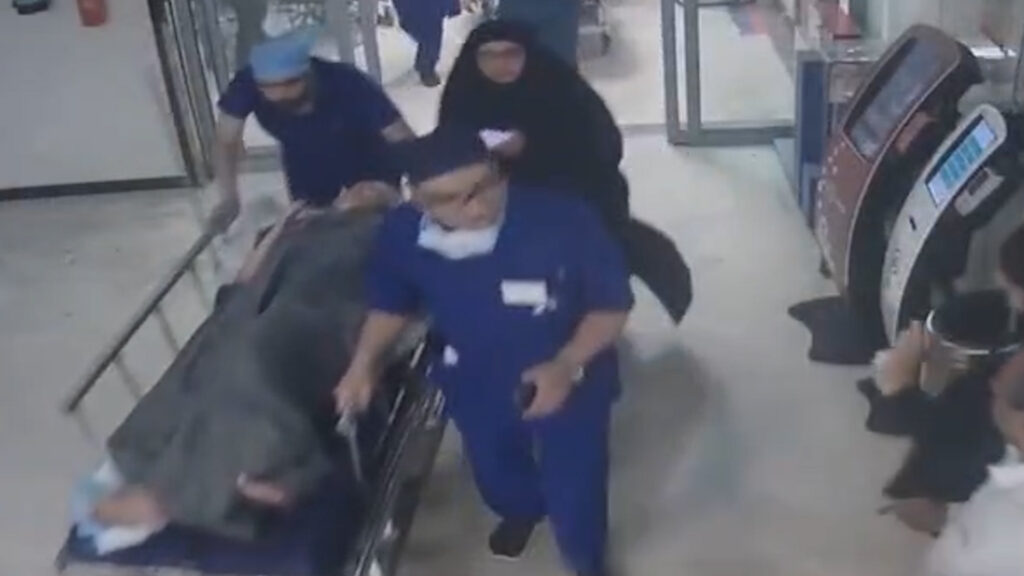
In recent times, Israeli military operations have led to significant damage and disruption in healthcare services across multiple regions, notably Iran, Lebanon, and Gaza. These attacks have raised alarm among international observers and humanitarian organizations due to their severe impact on civilian populations who rely heavily on medical infrastructure for survival.
In Gaza, the healthcare system has been particularly hard-hit. Hospitals and clinics have reported damage from aerial bombings and ground strikes, causing shortages of critical supplies and forcing medical personnel to work under extremely hazardous conditions. The destruction of key medical facilities has exacerbated the challenges posed by the ongoing conflict, limiting access to emergency care, surgeries, and treatment for chronic diseases.
Similarly, in Lebanon, Israeli military action has targeted areas where health centers are located, further straining a healthcare system already burdened by economic crisis and political instability. The interruption of medical services affects thousands of civilians, including vulnerable groups such as children and the elderly.
While direct attacks on healthcare infrastructure in Iran are less frequently reported, ongoing regional tensions and proxy conflicts have indirectly impacted medical services by disrupting supply chains and limiting access to essential medicines.
The international community has condemned these attacks, citing violations of international humanitarian law, which protects medical personnel and facilities during armed conflicts. Human rights organizations have called for immediate cessation of hostilities that affect civilians and critical infrastructure.
Experts warn that continued assaults on healthcare systems will not only increase immediate casualties but will also have long-term consequences for public health, including the resurgence of preventable diseases and increased mortality rates.
Efforts to provide humanitarian aid and rebuild healthcare infrastructure are underway, but the persistent security challenges hinder efficient delivery of assistance. Humanitarian agencies emphasize the need for safe passage of medical supplies and personnel to ensure continued care for affected populations.
The situation remains volatile, and the protection of healthcare services is increasingly recognized as a crucial component of conflict resolution and peacebuilding efforts in the region. International stakeholders are urged to intensify diplomatic efforts to prevent further deterioration of healthcare conditions and to uphold the principles of humanitarian law that safeguard medical aid in times of war.
This ongoing crisis underscores the devastating human cost of armed conflicts and the urgent need for all parties to respect the neutrality of medical institutions to protect civilian lives across Iran, Lebanon, and Gaza.