In a continuation of geopolitical tensions in the Persian Gulf, Iran has once again reasserted its control over the strategic Strait of Hormuz, a vital waterway through which a significant portion of the world’s oil supply passes. The move comes in the backdrop of rising hostilities between the United States and Iran, with the US warning against what it calls Iran’s attempts at “blackmail.”
Iran’s top negotiator, Mohammad Bagher Ghalibaf, publicly condemned the actions of the United States, particularly criticizing the US naval blockade aimed at Iran’s ports. He labeled the blockade “a clumsy and ignorant decision,” emphasizing that such measures lack effectiveness and only escalate tensions in the region.
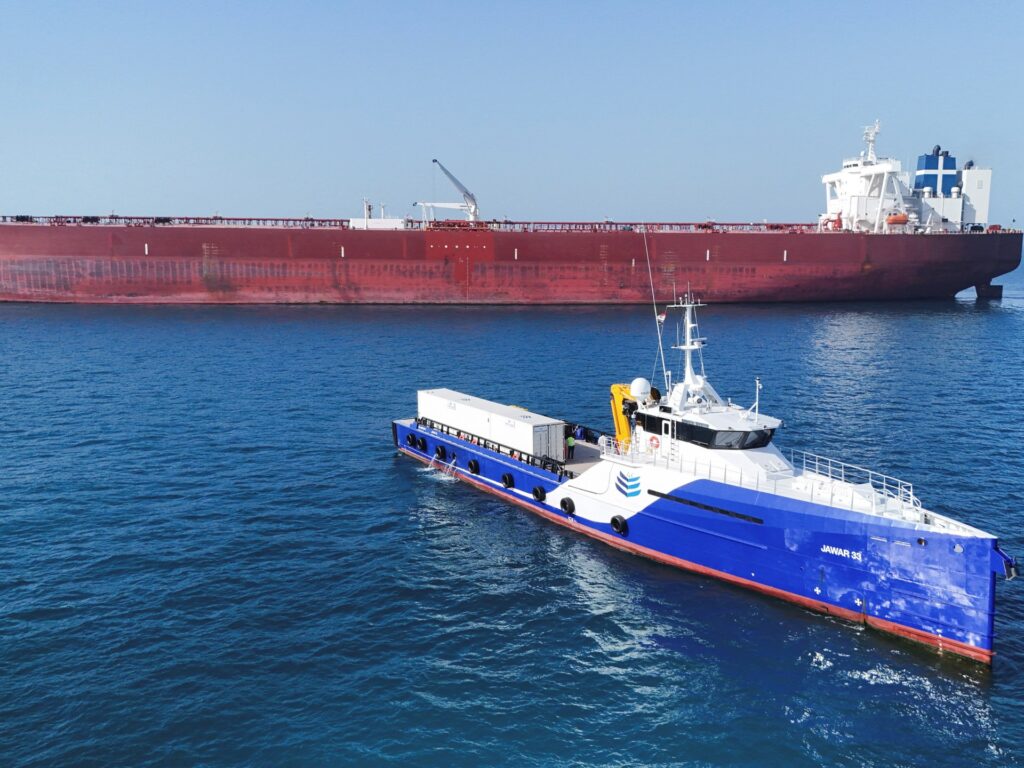
The Strait of Hormuz is a narrow passage connecting the Persian Gulf to the Gulf of Oman and the Arabian Sea. It is one of the world’s most critical chokepoints for oil transit, with approximately one-fifth of the global oil trade passing through its waters. Consequently, control over this strait carries significant geopolitical and economic implications.
The US, under the leadership of former President Donald Trump, has taken a hard stance on Iran, particularly targeting its nuclear program and regional influence. Trump’s administration implemented stringent sanctions and sought to curb Iran’s oil exports by enforcing a naval presence around Iranian ports, aiming to block Iranian oil shipments.
Iran views these actions as aggressive and an infringement on its sovereignty. Ghalibaf’s remarks highlight Tehran’s resistance to the blockade, portraying it as both ineffective and provocative. By asserting control over the strait, Iran signals its capability to influence global oil markets and pressure its adversaries.
The international community has expressed concern over the potential for conflict escalation in the region. The risk of disruption in oil supplies could lead to instability in global energy markets, causing spikes in oil prices and economic uncertainty worldwide.
Experts note that the situation in the Strait of Hormuz remains fragile, with both the US and Iran maintaining a complex balance of power. Diplomatic efforts have been intermittently pursued, but the aggressive policies from both sides have hindered lasting solutions.
In response to Trump’s warnings against “blackmail,” Iran has reiterated its right to defend its sovereignty and regional interests. Iranian officials argue that pressure tactics will not yield desired outcomes and advocate for dialogue and mutual respect instead.
The ongoing standoff over the Strait of Hormuz not only affects the immediate region but also global geopolitical dynamics, underscoring the critical nature of maritime security and international diplomacy. As tensions continue, the world watches closely, hoping for a peaceful resolution to safeguard one of the most vital energy corridors on the planet.