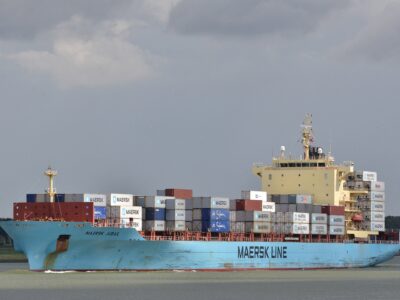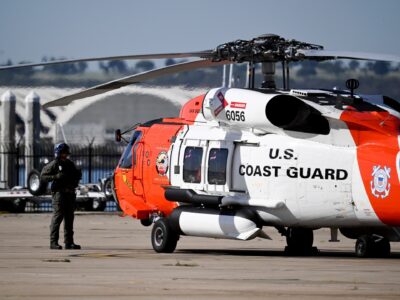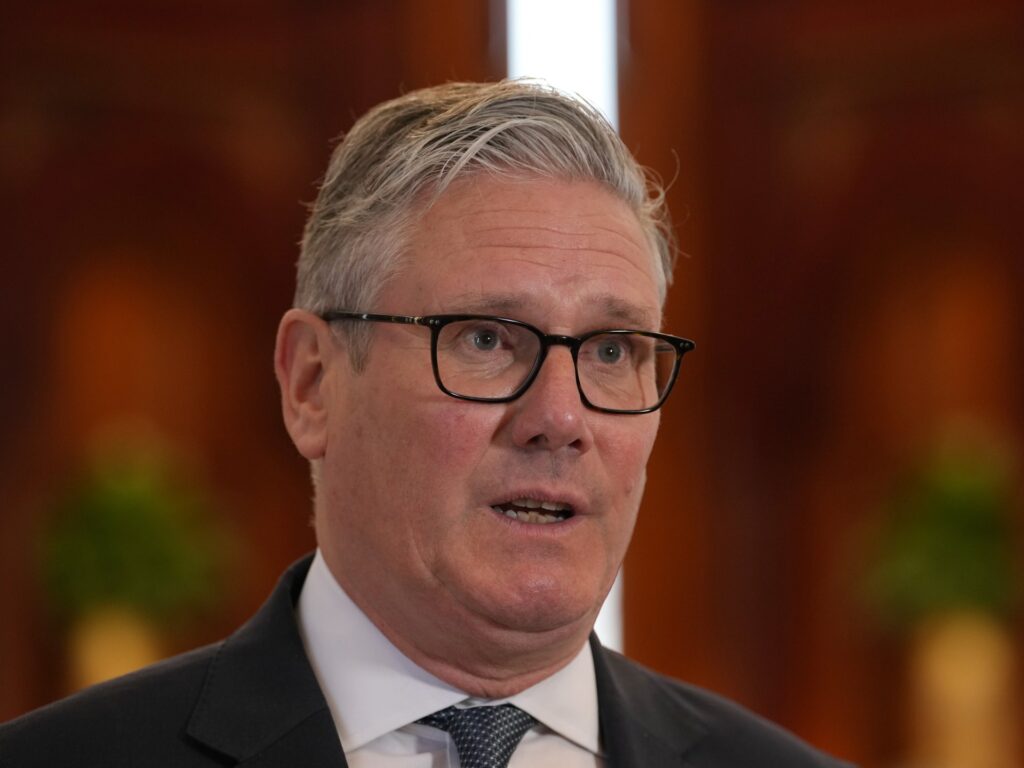
In a significant diplomatic development, UK Labour Party leader Keir Starmer has announced that the United Kingdom will not support any US blockade of the Strait of Hormuz. This statement comes amid heightened tensions in the strategically crucial waterway, which is a vital route for global oil shipments.
The proposed blockade by the United States has sparked widespread criticism not only from the UK but also from other key US allies including France, Spain, and Turkiye. These countries have expressed deep concerns about the potential escalation of conflict and disruption of international trade caused by such a military move.
Starmer’s announcement underscores a clear divergence from the Trump administration’s aggressive stance in the region. He emphasized the importance of diplomatic engagement and multilateral cooperation over unilateral military actions which could destabilize an already volatile region.
France, Spain, and Turkiye have collectively cautioned against the risks involved in a blockade, highlighting the dangers to regional security and global economic stability. These nations stress that the Strait of Hormuz should remain open for free navigation in accordance with international law.
China, a major consumer of oil passing through the Strait of Hormuz, has also condemned the US plan. Chinese officials warn that such a blockade could severely disrupt global energy supplies and exacerbate tensions in the Middle East, impacting worldwide markets.
The US has justified its proposed blockade as a necessary measure to counter Iranian threats and secure maritime routes, but the international backlash indicates significant diplomatic pushback. The differing views between the United States and its allies could weaken unified Western pressures on Iran.
Analysts suggest that the UK’s refusal to support the US blockade reflects a strategic calculation to avoid direct confrontation with Iran and to protect its interests in regional stability and energy security. The UK’s stance may encourage a broader coalition of countries favoring dialogue and sanctions rather than military escalation.
This development highlights the complexities of international alliances and the challenge of managing conflicts in key geopolitical hotspots like the Strait of Hormuz. The situation remains fluid as global powers navigate the balance between security concerns and the imperative to maintain open and secure shipping lanes.
In conclusion, the UK’s rejection of the US blockade plan, coupled with the criticism from France, Spain, Turkiye, and China, represents a growing international consensus advocating restraint and diplomacy. As tensions continue, the world’s focus will be on how these diplomatic rifts influence future policies regarding the Strait of Hormuz and broader Middle Eastern security.